
ANUBIS: Advancing NUclear dismantling in Belgium through Improving Sustainability
Building the knowledge for better dismantling
Whether you are active in decommissioning, waste management, technology development or nuclear services, ANUBIS provides access to expertise, infrastructure and technologies that can help you tackle the challenges of safe, sustainable and cost-efficient dismantling.
Today, the results of ANUBIS help organisations tackle some of the key challenges of nuclear decommissioning: reducing waste volumes, increasing reuse and recycling, improving worker safety and making dismantling projects more efficient and cost-effective.
Whether you are a technology developer, industrial partner, waste management specialist or decommissioning operator, ANUBIS has created practical tools, facilities and expertise that can help you tackle the challenges of safe, sustainable and cost-efficient dismantling.

ANUBIS & the Recovery Plan for Belgium and Europe
In 2021, SCK CEN received funding from the European Union for the ANUBIS project (Advancing NUclear dismantling in Belgium through Improving Sustainability). As part of the European recovery plan, this investment supported the development of new technologies, expertise, and research infrastructure to advance sustainable nuclear decommissioning and radioactive waste management.
Through ANUBIS, SCK CEN established state-of-the-art research, development, and demonstration facilities that strengthen Belgium’s capabilities in nuclear dismantling. The project focused on maximizing the reuse and recycling of materials released during decommissioning, helping to reduce waste generation and promote a more circular approach within the nuclear sector.
The facilities and expertise developed through ANUBIS continue to support innovation, research, and industrial applications, creating long-term value for Belgium and Europe. The European Union’s funding has played a pivotal role in making these achievements possible and in reinforcing Europe’s leadership in sustainable nuclear technologies.
1. Closing knowledge and technology gaps
One of ANUBIS' main objectives was to help the sector maximize the reuse and recycling potential of materials arising from future decommissioning projects while minimizing radioactive waste generation. The project resulted in validated approaches for characterization, treatment, decontamination and conditioning that support more sustainable dismantling practices.


Sustainable dismantling of large material streams
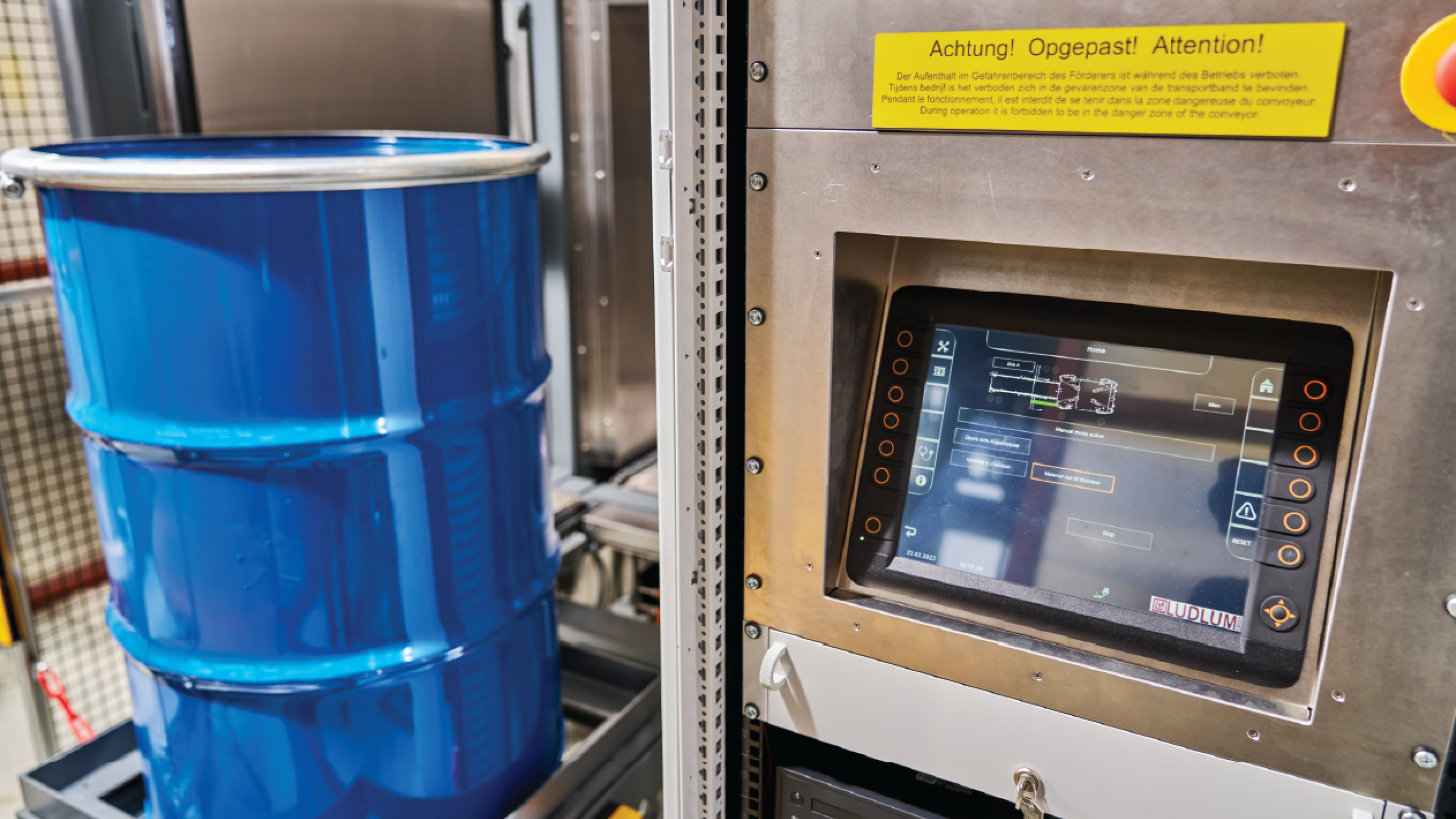
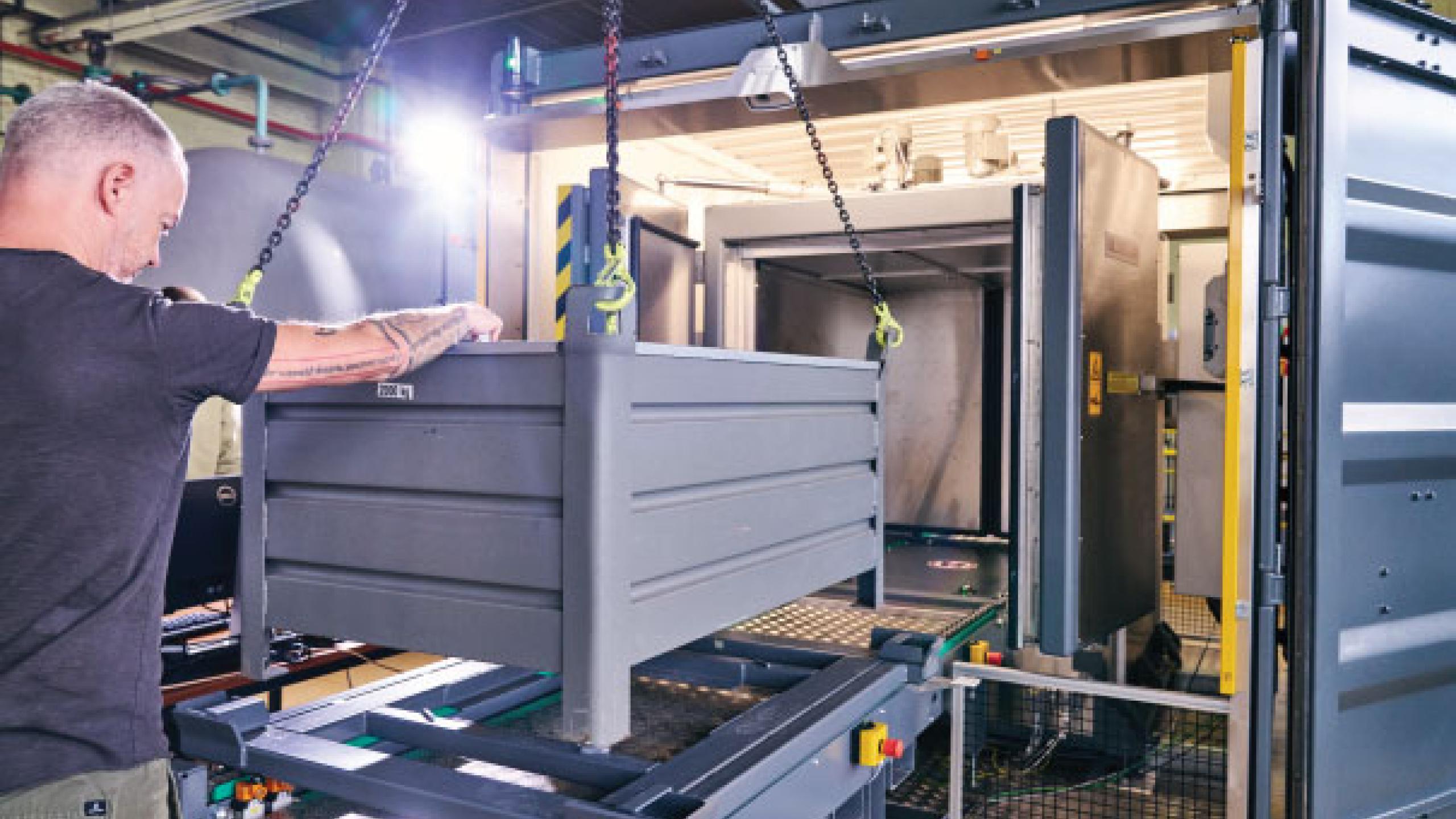
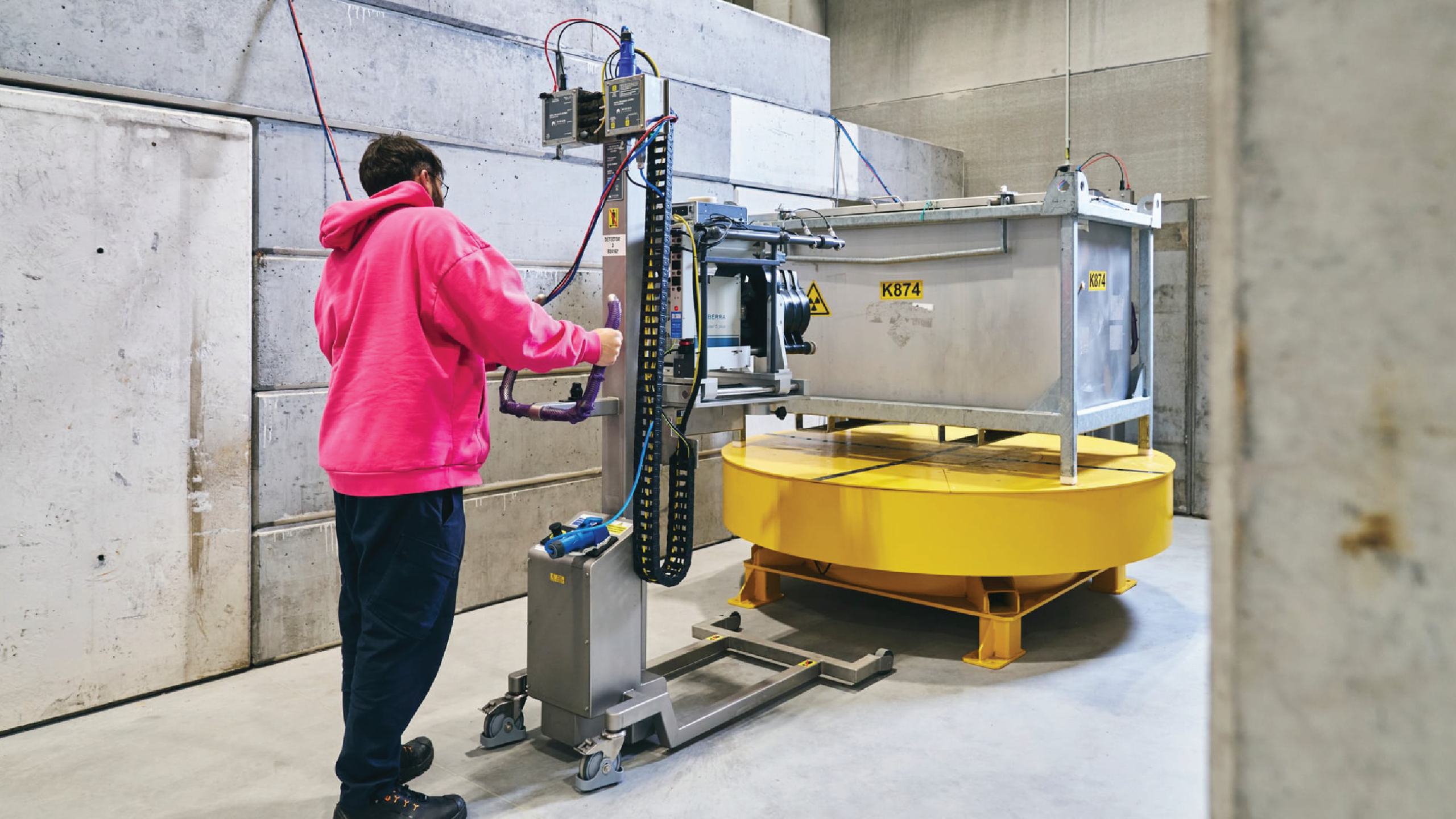
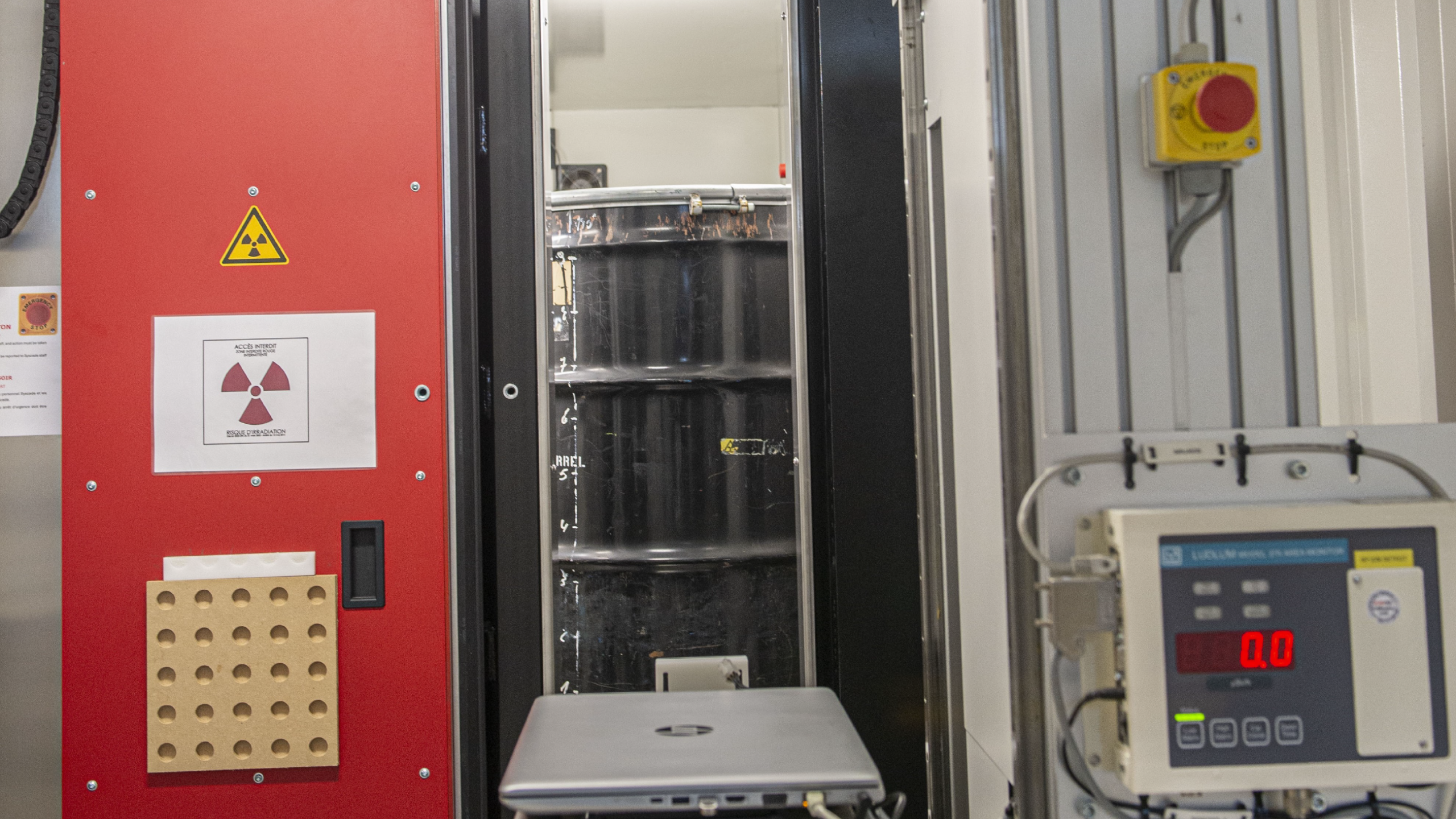
Managing large material streams is one of the key challenges in nuclear decommissioning. Within ANUBIS, significant advances were made in material characterization, clearance monitoring, decontamination and waste conditioning.
Key achievements include:
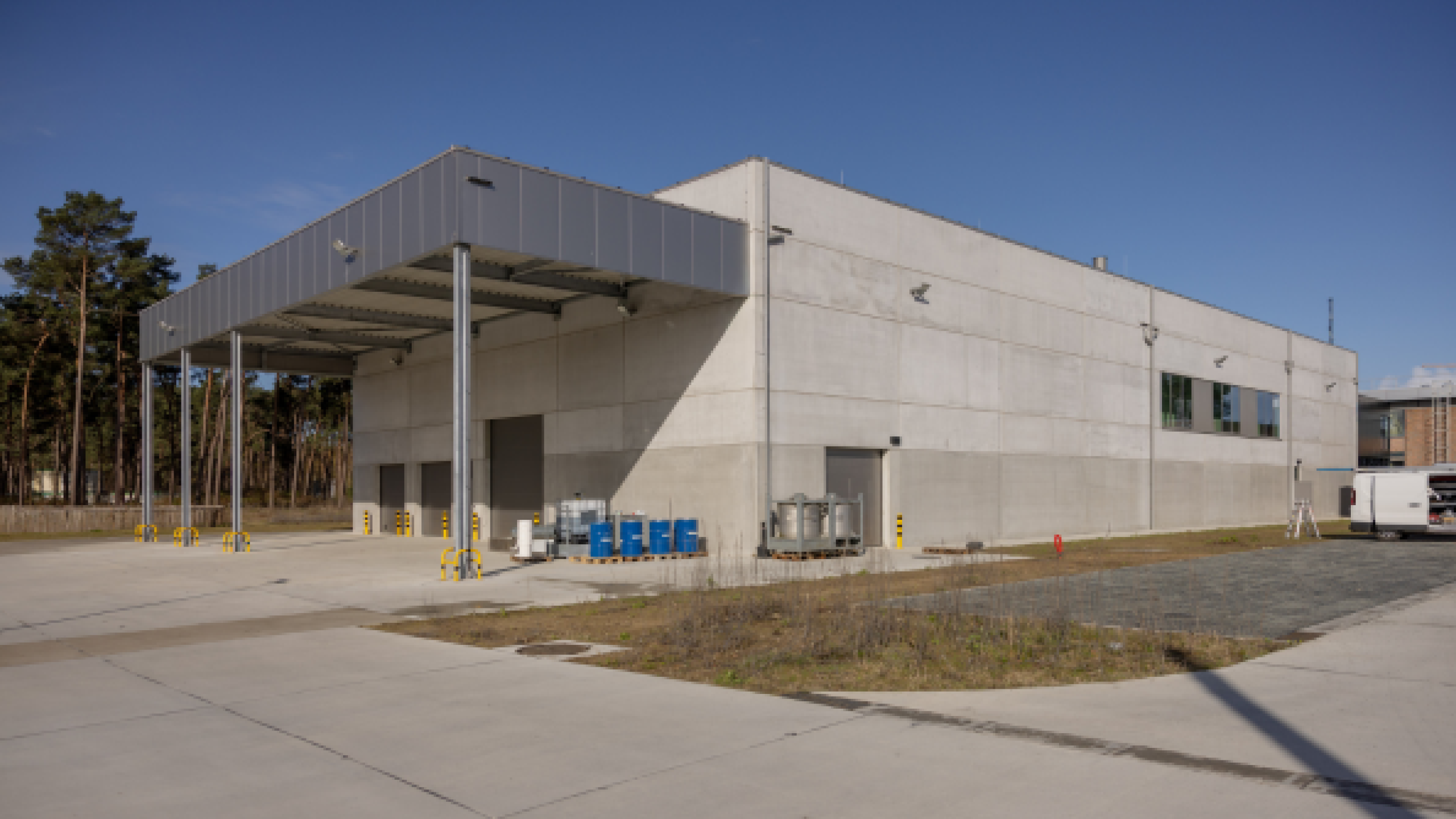
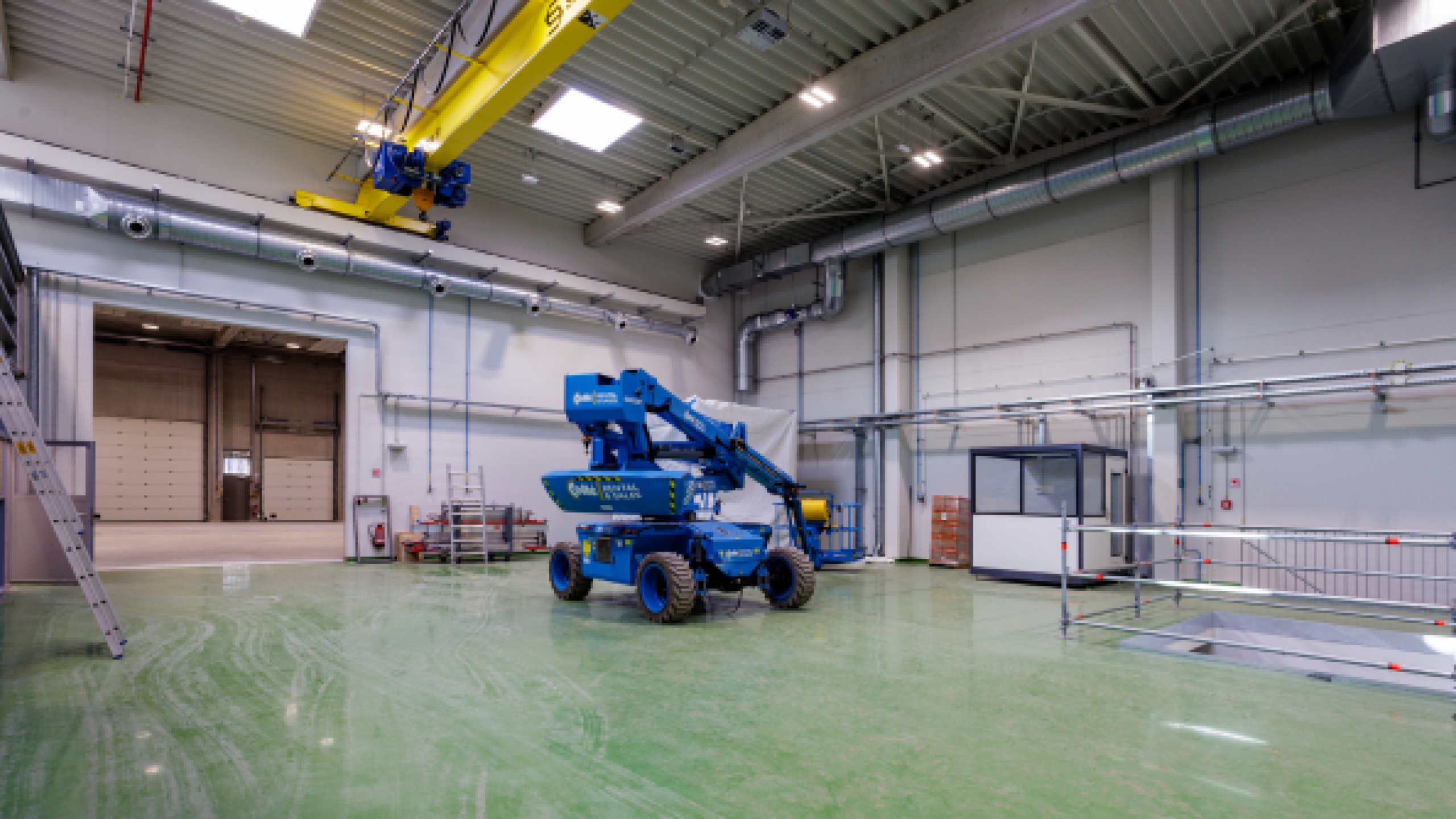
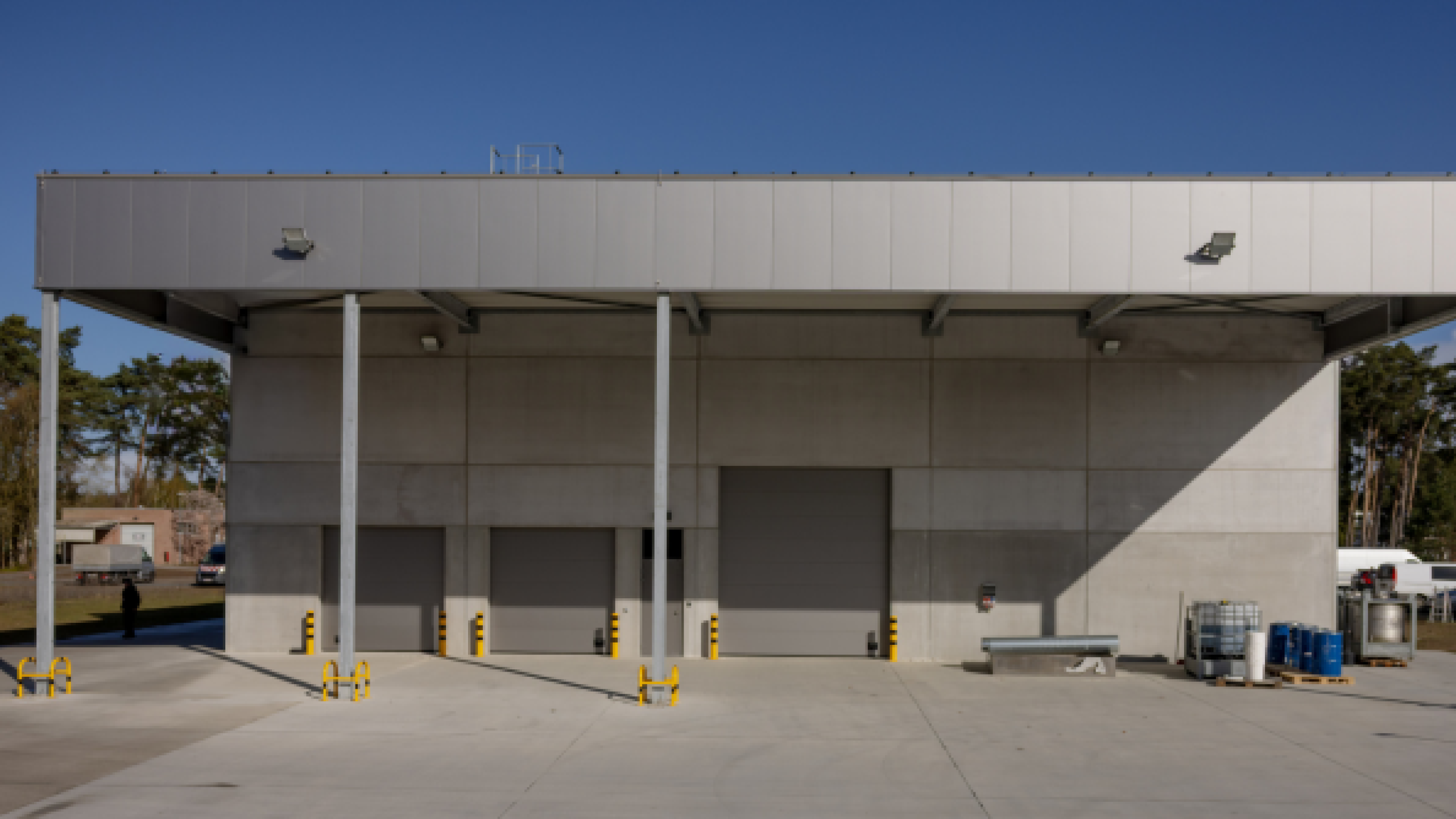
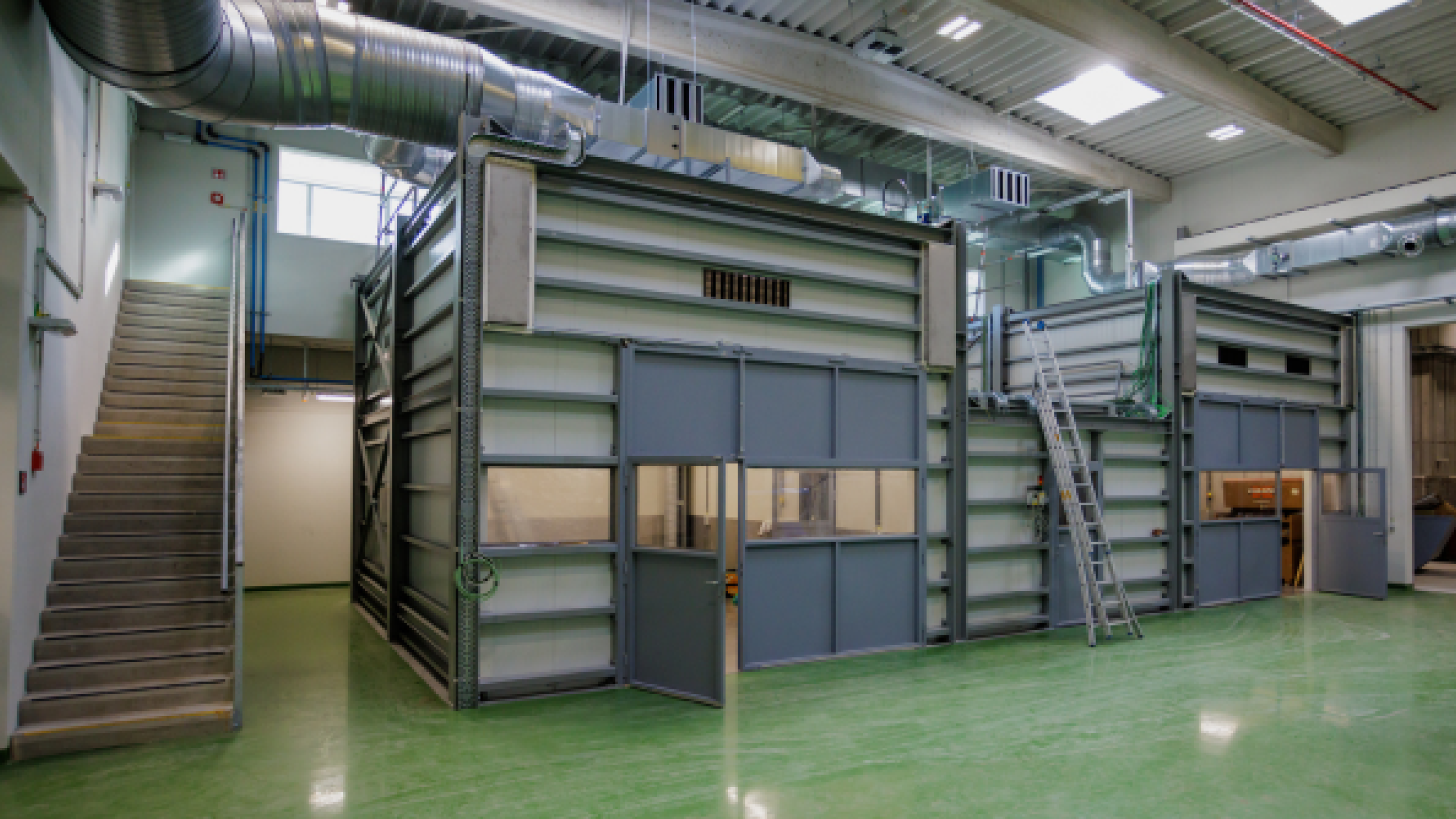
- the construction of the MaT (Material Treatment) building, bringing together installations for characterization, decontamination and conditioning;
- the development of advanced clearance monitors such as E.R.N.I.E. and B.E.R.T.;
- the development of E.L.M.O. for radioactive waste characterization;
- the commissioning of new research infrastructure, including climate chambers, hot lab installations and full-scale mixing equipment for waste conditioning;
- strengthened expertise in waste characterization through the SYSCADE PhD research programme.
Together, these developments provide companies and organisations with new opportunities to test, validate and implement innovative dismantling and waste-management solutions.

Using innovative digital technologies
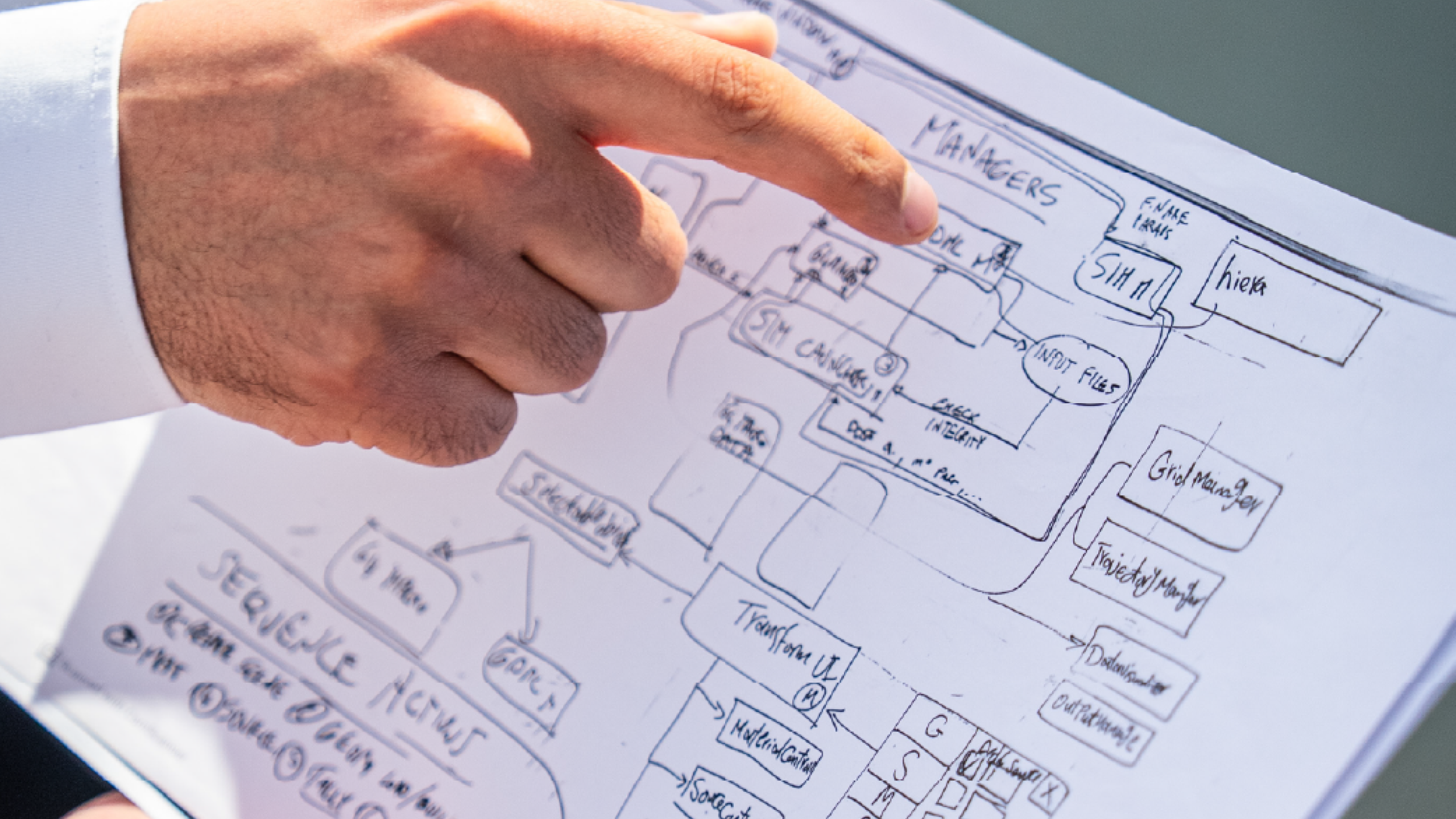
Digitalisation played an important role throughout ANUBIS. To support efficient management of large material streams, the project delivered innovative digital solutions that improve traceability, planning and decision-making during decommissioning operations.
Examples include:
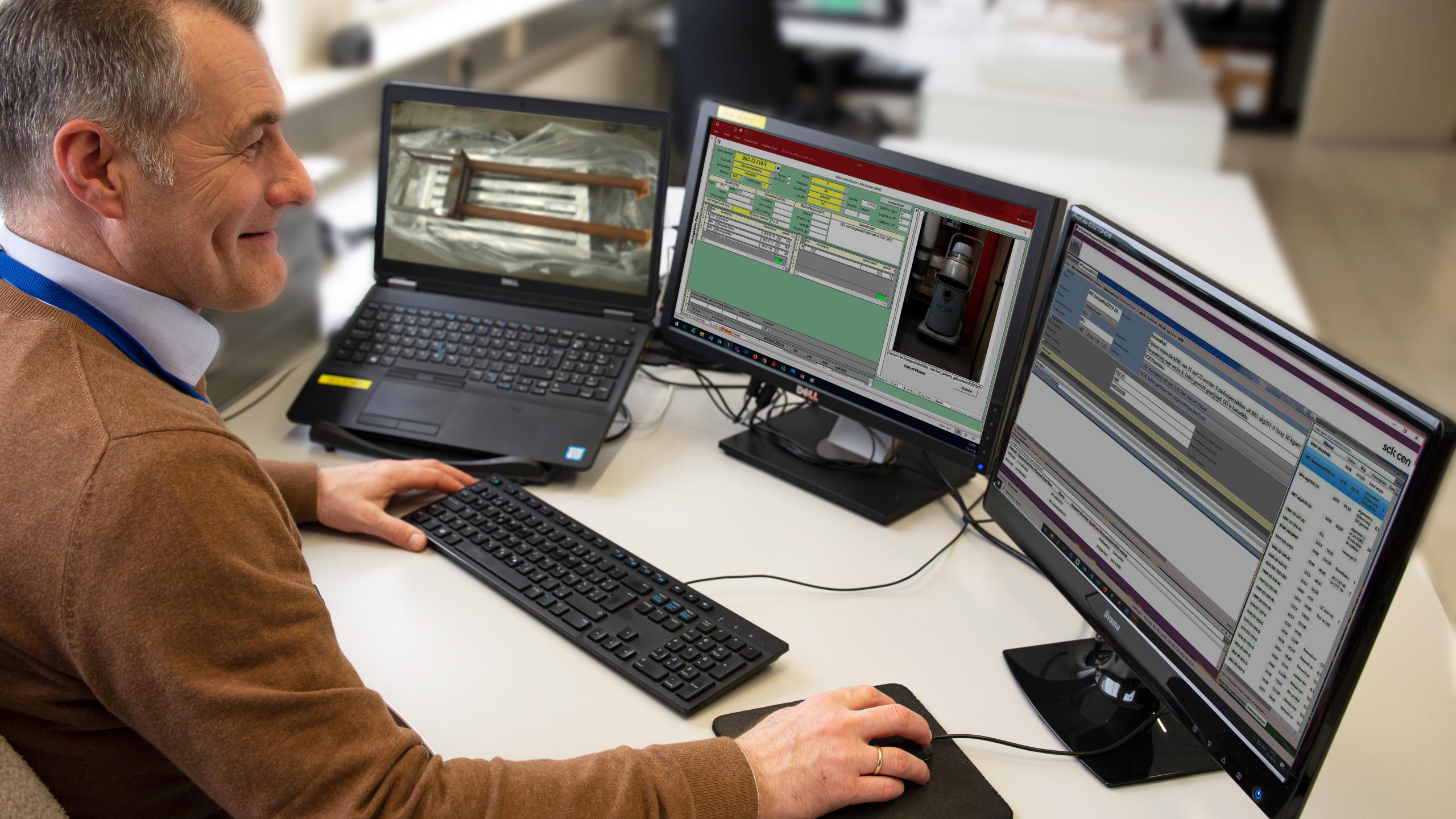
- MRS (Material Recovery System), an integrated platform for material tracking and management;
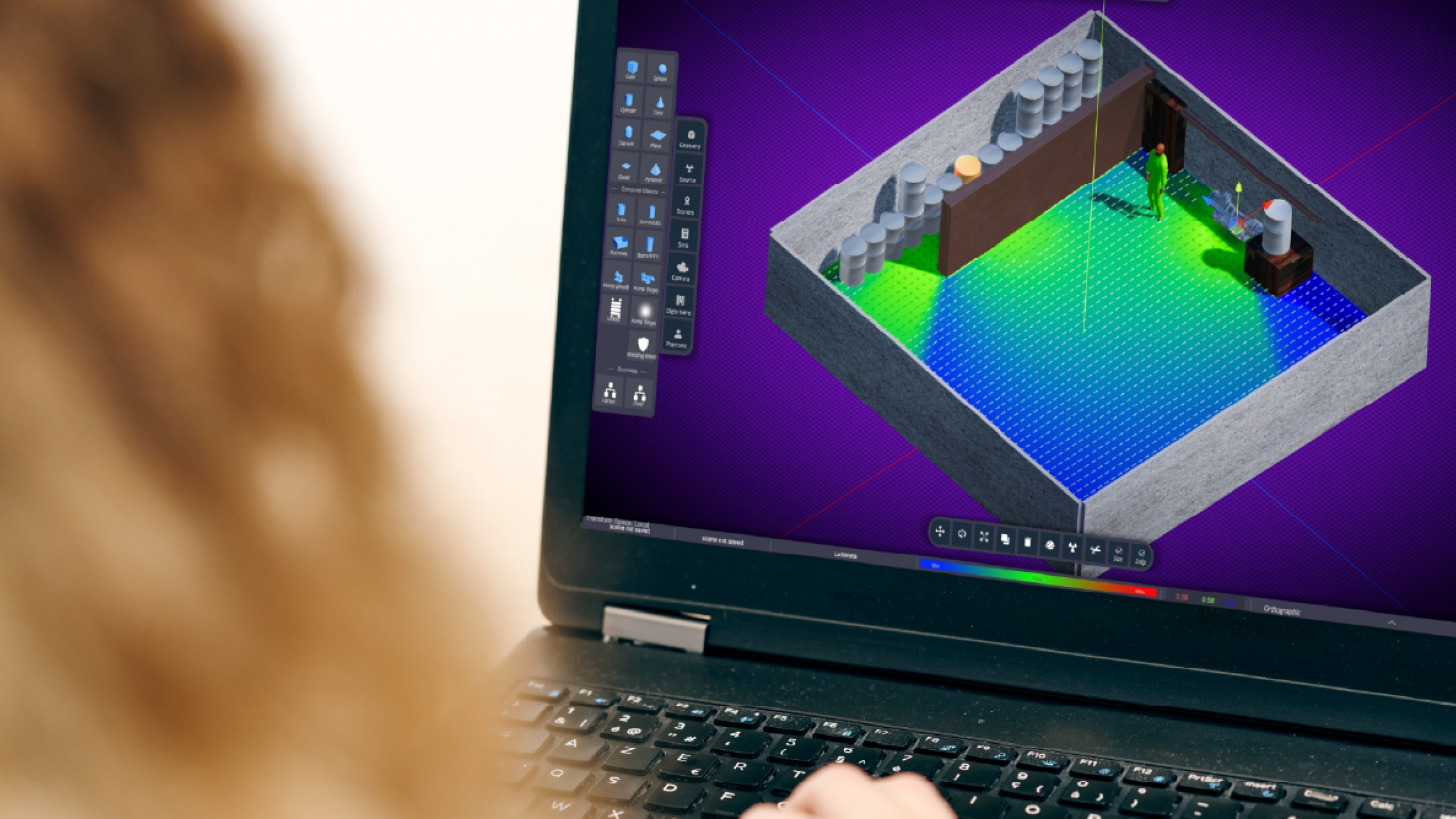
- RADAR, a digital solution supporting ALARA planning and digital-twin applications.
These technologies help organisations improve operational efficiency, enhance worker protection and make more informed decisions throughout dismantling projects.
2. Upscaling toward industrialization and stimulating innovation
Beyond research and development, ANUBIS helped create the conditions for broader industrial application of innovative decommissioning technologies.
An innovation hub for decommissioning technology development
The new MaT facility serves as a unique environment where technologies can be tested, demonstrated and validated for dismantling applications.
- investigate your products in hot (nuclear) and cold (non-nuclear) areas
- validate your technology for nuclear applications
- maintain or repair contaminated equipment
Given the presence of both SCK CEN’s experts as well as specialized companies actively developing D&D technology, this facility will become a true Belgian innovation hub as from 2026. Do not miss out!
Close interaction with industry stakeholders
Throughout the project, ANUBIS brought together researchers, technology developers and industrial stakeholders to address common challenges in nuclear decommissioning.
This network, together with the infrastructure and expertise developed during the project, continues to support future collaborations aimed at making dismantling operations safer, more sustainable and more cost-effective.
Looking ahead
Although ANUBIS officially ended in June 2026, its results continue to create value for the nuclear sector. The technologies, facilities and expertise developed during the project provide a solid foundation for future innovation and collaboration in sustainable decommissioning.
Interested in what ANUBIS can do for you?
The facilities, technologies and expertise developed within ANUBIS remain available to support innovation in nuclear decommissioning and waste management. Whether you are looking to validate a technology, explore a collaboration or learn more about our capabilities, we would be happy to hear from you. Fill in the contact form below and our experts will get in touch.