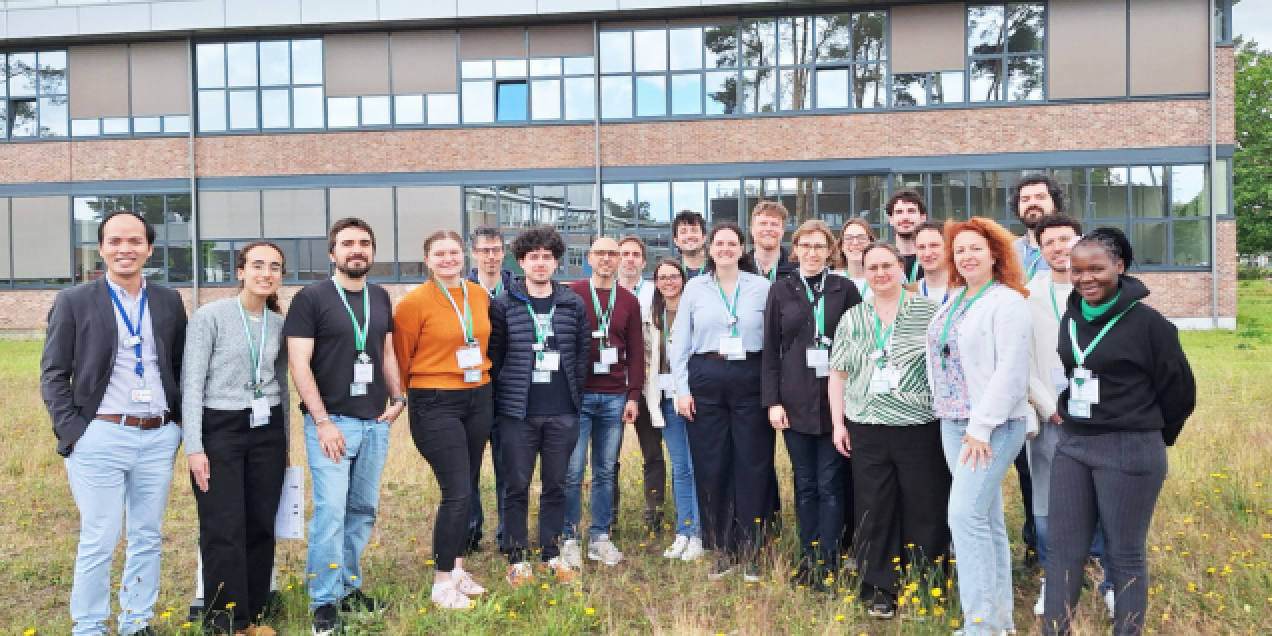
Innovation in the characterization of historical radioactive waste
SYSCADE and SCK CEN join forces in the ANUBIS project
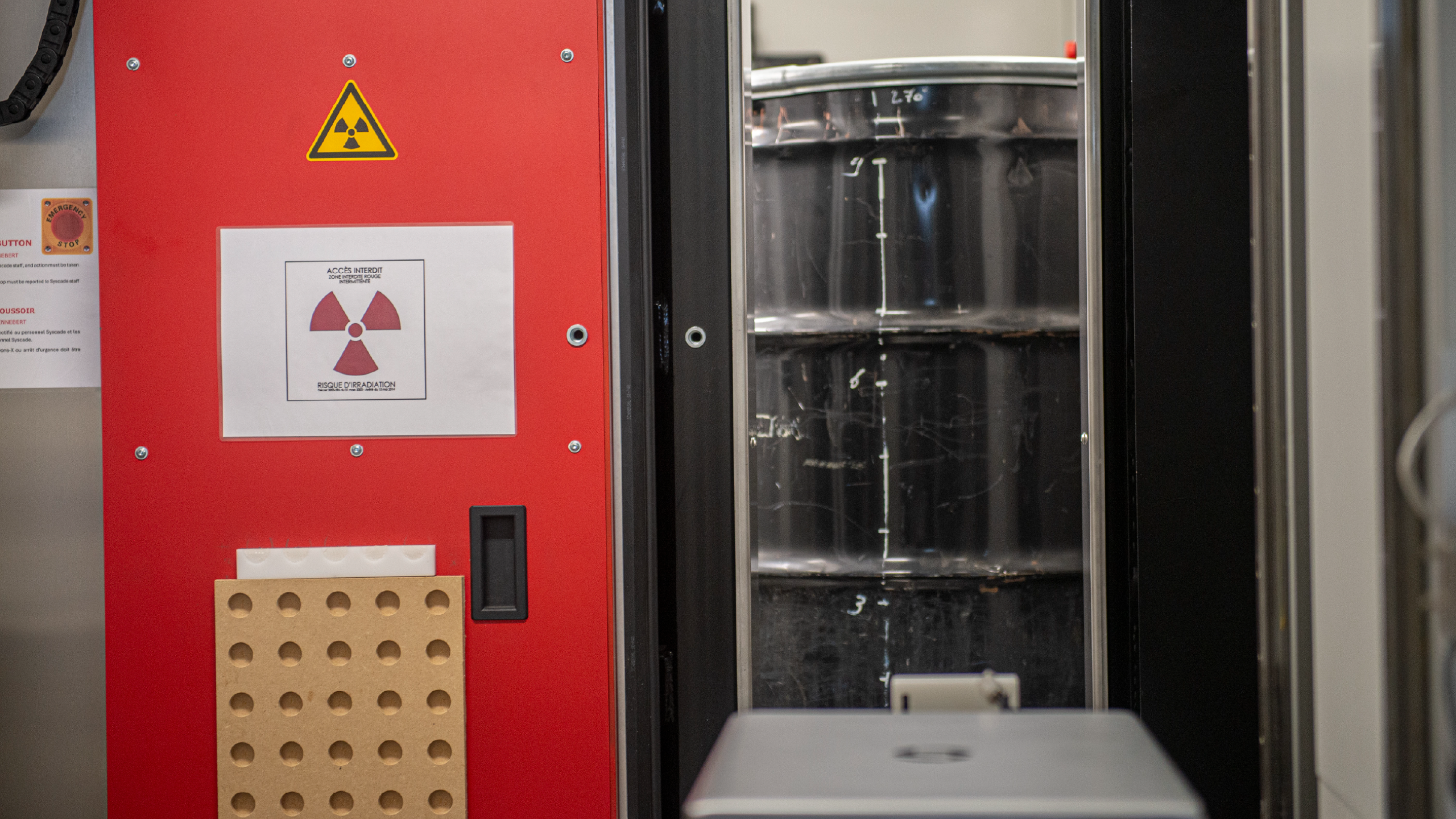
How do you manage radioactive waste when historical data is missing? As part of the ANUBIS project, SCK CEN is collaborating with SYSCADE to develop an innovative solution to this challenge. SYSCADE, a spin-off of Delta Services Industriels (DSi), is developing mobile technologies for the radiological characterisation of legacy, unconditioned waste in 220-litre drums. This type of waste originates from past activities where documentation is incomplete or lost and where different regulations were in force, making the exact composition and origin of the waste uncertain. SCK CEN uses this mobile technology to analyse waste drums non-destructively and refine analysis methods.
AI meets radioactivity
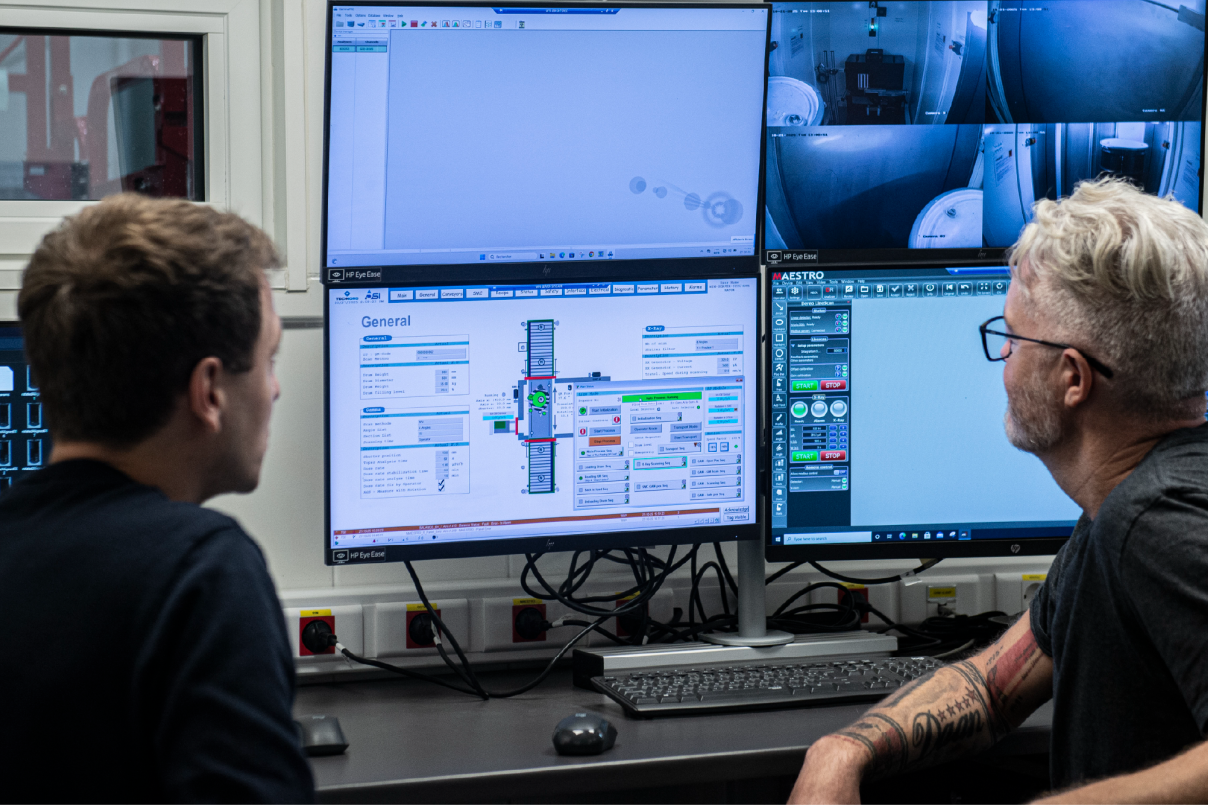
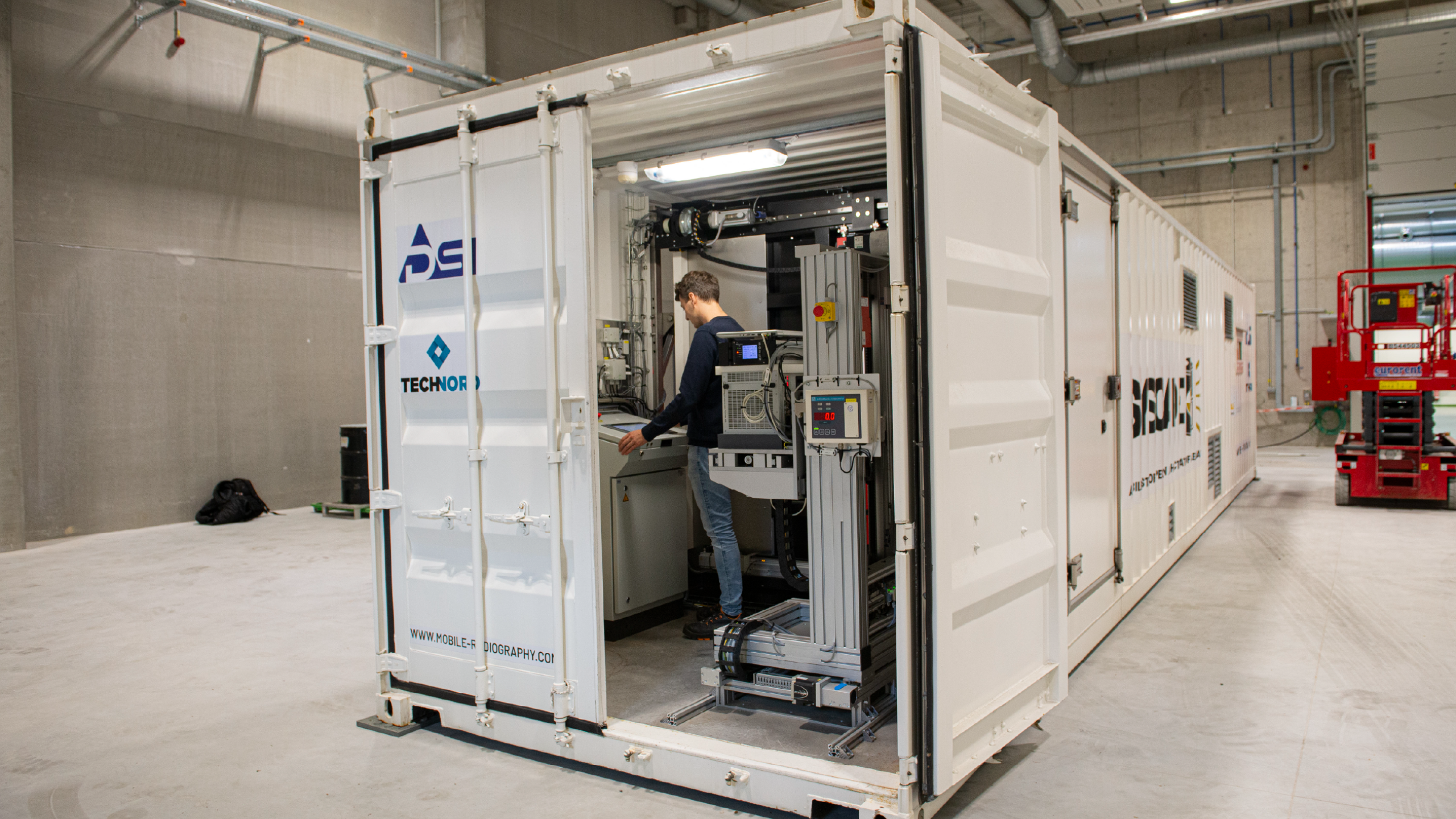
SYSCADE’s mobile container combines gamma spectrometry with X-ray tomography to inspect the contents of waste drums non-destructively. This combination allows for accurate identification of radionuclides and the reliable estimation of their activity. SCK CEN adds its own innovative Bayesian analysis method, which maps uncertainties in measurements more accurately than traditional models do. This method is particularly well-suited to ‘inverse’ problems, where measurements are used to determine the exact contents of a waste drum.
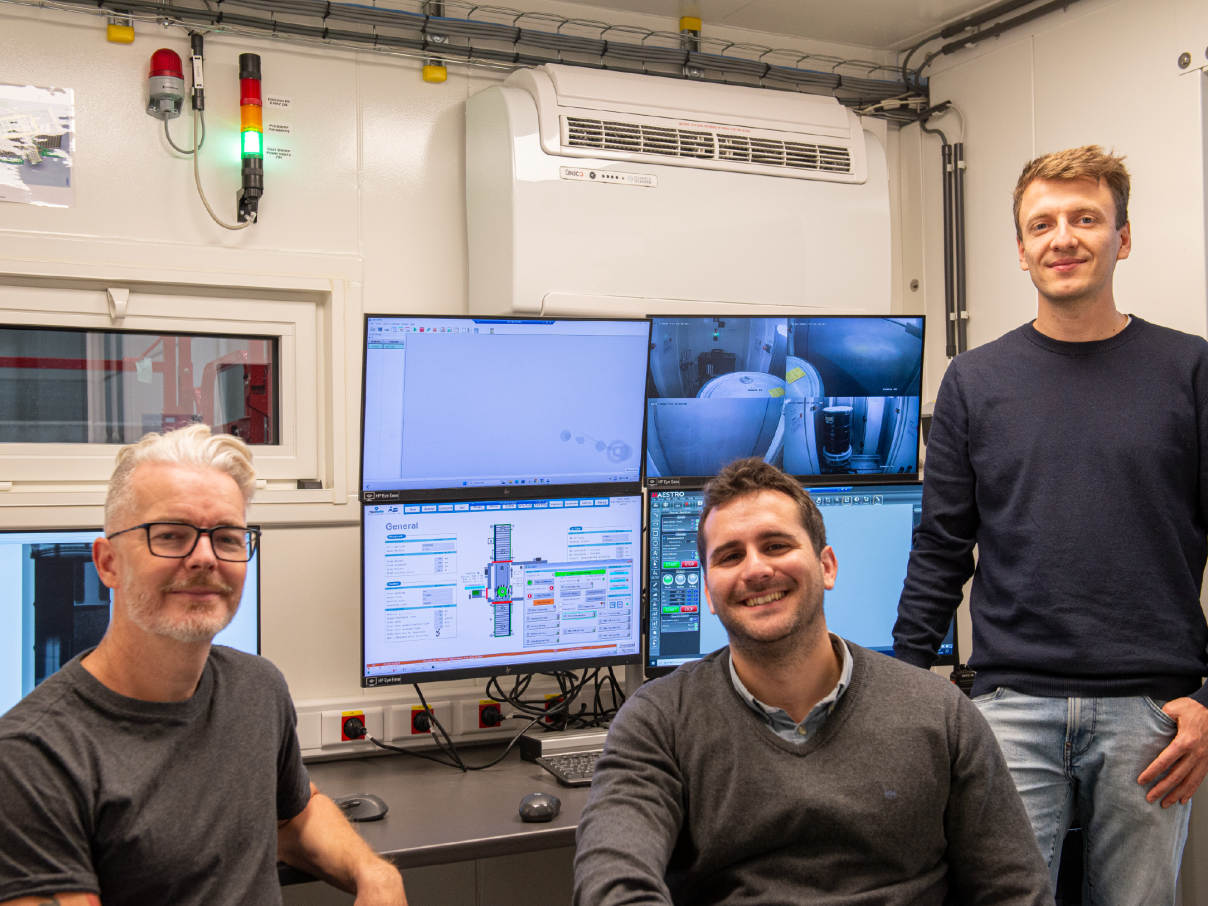
Although the concept itself is not new, SCK CEN is taking the Bayesian approach to the next level. As part of his PhD research, Victor Casas Molina (SCK CEN & UGent) is developing a groundbreaking 3D model designed specifically for the characterising radioactive waste. It is the first model to combine CT imaging with a Bayesian approach, enabling a three-dimensional reconstruction of the drum’s contents – including the degree of certainty of the estimate. What makes this method especially powerful is that it also incorporates expert knowledge and experience, translating it into an estimate of the amount of radioactivity in the drum, along with the associated uncertainty.
Testing in the MaT building
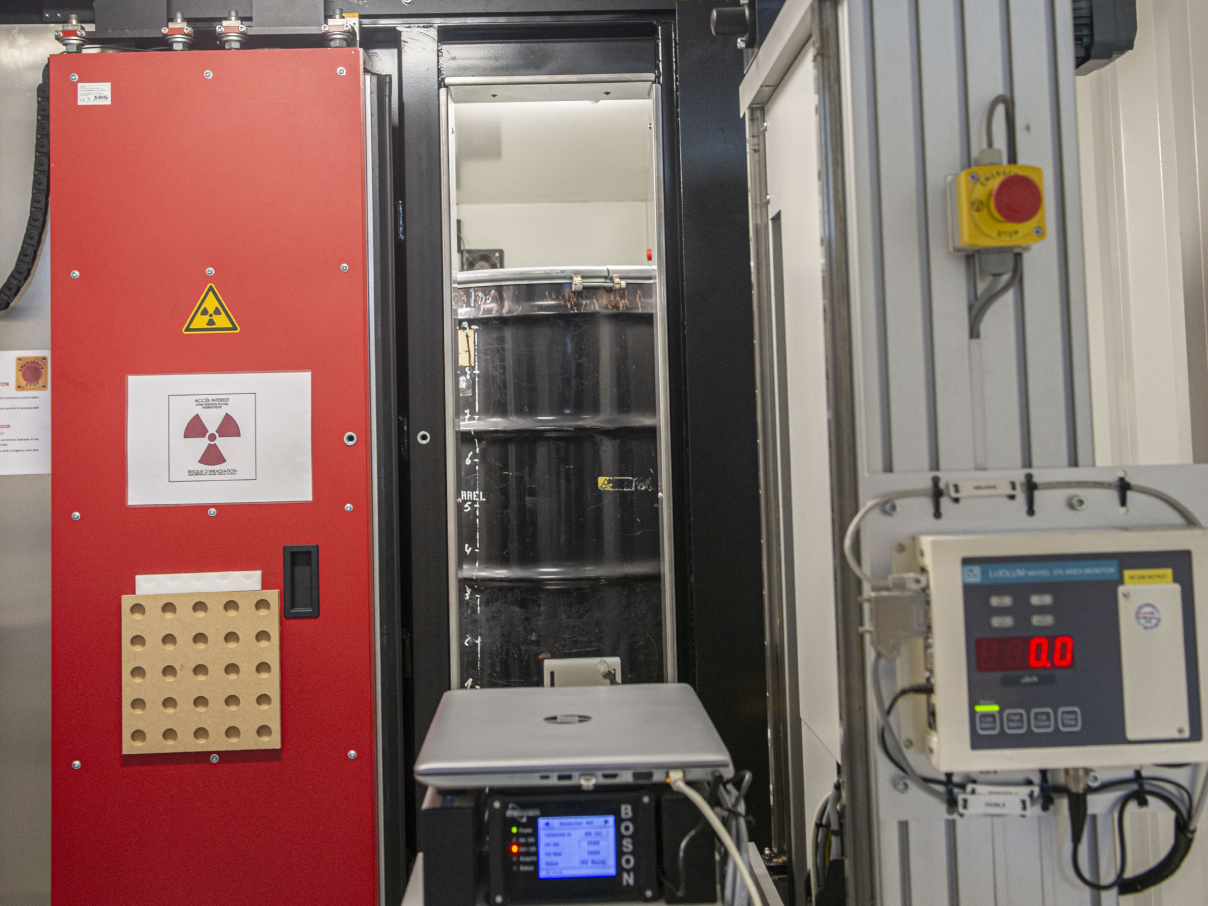
In order to validate SCK CEN’s Bayesian analysis methods and improve SYSCADE’s device, SYSCADE will temporarily install its mobile unit in the MaT building on the SCK CEN site. Measurements will be carried out on real waste drums, mainly from BR3. These BR3 drums will serve as reference drums in the validation process, allowing a direct comparison between SCK CEN’s theoretical models and practical data.
The measurement unit is equipped with:
- An HPGe detector for gamma spectrometry in various scan modes (Open Geometry and Segmented Gamma Scanning, with angular measurement option)
- A 320 kV X-ray system with digital detector for detailed radiography and inspection of the drum content
- Software that automatically analyses the location of radioactive sources, identifies and quantifies the radionuclides present
Timeline
The mobile unit arrived on 13 October and will remain operational for several weeks. During this period, SCK CEN staff will operate the system. The collaboration marks an important step in improving waste management and contributes to the safe disposal of historical radioactive waste.
Impact and future
The technology developed within the ANUBIS project has the potential to be applied far beyond its current scope. In principle, it can be used for any type of radioactive waste, provided two key conditions are met: the ability to estimate the efficiency of the detector, and a method to assess how radiation travels through the waste matrix (i.e., the probability that a photon escapes the package). This second requirement can be addressed using various imaging techniques such as computed tomography (CT) or linear accelerators (LINACs). The latter shows promise for very dense materials. By adapting the acquisition system, the method could be extended to a wide range of waste types.
Moreover, the approach is not limited to waste characterisation. It could also be applied to other nuclear challenges, such as real-time isotope buildup in reactors – provided sufficient instrumentation and modelling are available. The flexibility of the Bayesian framework, combined with advanced imaging and expert-informed probabilistic modelling, opens the door to broader applications across the nuclear field.
ANUBIS & the relaunch plan for Belgium and Europe
Let’s rewind to 2021. At that time, the European Union awarded SCK CEN funding for the ANUBIS project, which stands for "Advancing Nuclear dismantling in Belgium through Improving Sustainability". The main goal of the project is to develop technologies and competencies in order to maximise the reuse of materials released during nuclear decommissioning. This includes the construction of a new research, development and demonstration facility with associated facilities for supporting innovation in dismantling projects in Belgium.
The project not only fits in with the Belgian-European plan for the economic recovery from the COVID-19 pandemic, but it also connects seamlessly with the sustainable dismantling of the five nuclear power plants at Doel and Tihange. "And we are not alone," said An Bielen, who is leading the ANUBIS project at SCK CEN. "We are already joining forces with four partners in the private sector.”
Do you want to know more about ANUBIS? Click here.