News

Jellyfish vs. nuclear power plants: why a reactor shutdown is actually a sign of safety
For the second summer in a row, a French nuclear power plant has made headlines for an unusual reason: jellyfish. On 11 August 2026, three reactors at Gravelines, Western Europe's largest nuclear power plant, were shut down after large numbers of jellyfish clogged the cooling water intake systems. It may sound alarming, but what does such an event really mean for nuclear safety? Gert Van den Eynde, Head of the Reactor Physics & Safety expert group at SCK CEN, explains why this is actually an example of safety systems working exactly as intended.
BR2 headed towards a world first
Safety dossier to switch to low-enriched uranium submitted to FANC
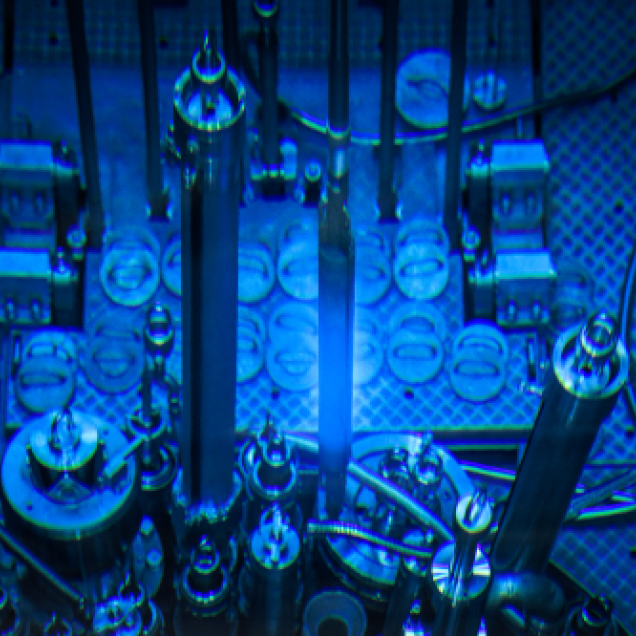
SCK CEN intends to operate its BR2 research reactor on low-enriched uranium. By changing the fuel, the nuclear research centre is helping to prevent the potential dissemination of highly enriched uranium, which can be used as a component of nuclear weapons. After numerous tests, the time is ripe for the switch but the Federal Agency for Nuclear Control (FANC) must first grant its approval. "To that end, we submitted a comprehensive safety dossier to them today," says Steven Van Dyck, BR2 director. "Once the agency gives the green light, SCK CEN will be well on the way to achieving a world first."
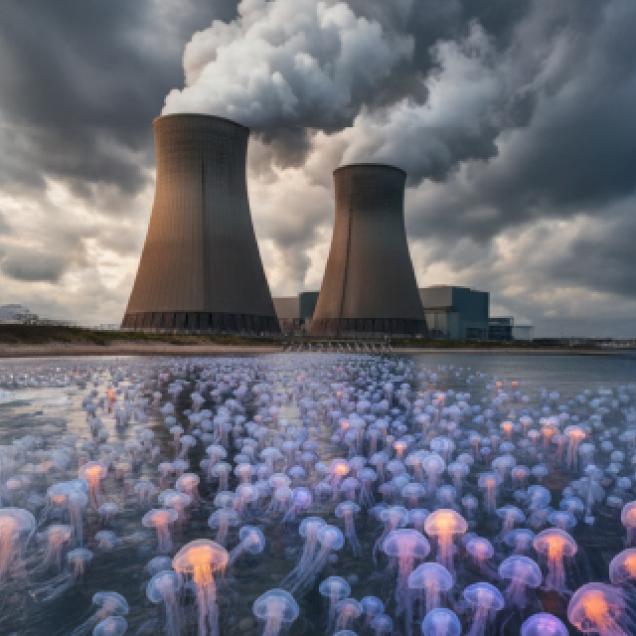
Fact check: What do jellyfish plagues teach us about nuclear safety?
In recent weeks, extraordinary reports from France captured global media interest: twice in one month, swarms of jellyfish clogged the filters of nuclear reactor cooling systems, leading to partial shutdowns. First it occurred at Gravelines, and shortly afterwards at Paluel, both plants situated on the French coast. Gert Van den Eynde, head of the Reactor Physics & Safety expert group at SCK CEN, explains the impact of such incidents, the existing safety measures, and how we are already preparing for the reactors of tomorrow.