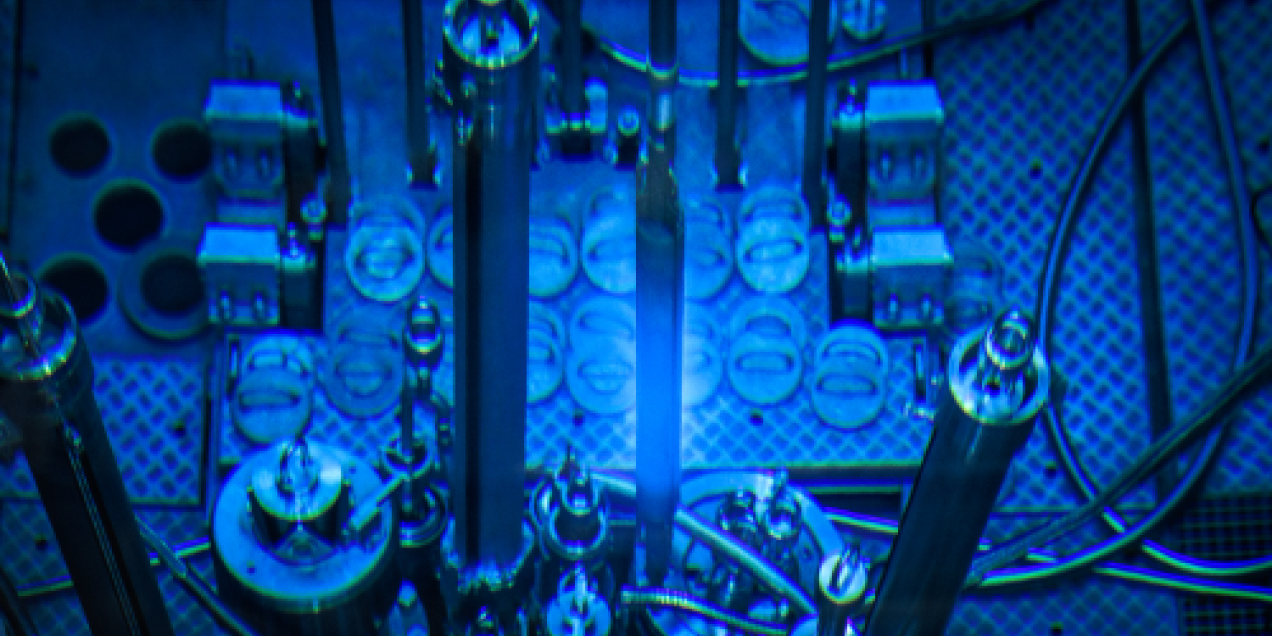
The FRACTESUS project shows that the safety of nuclear reactors can be evaluated with small test samples.
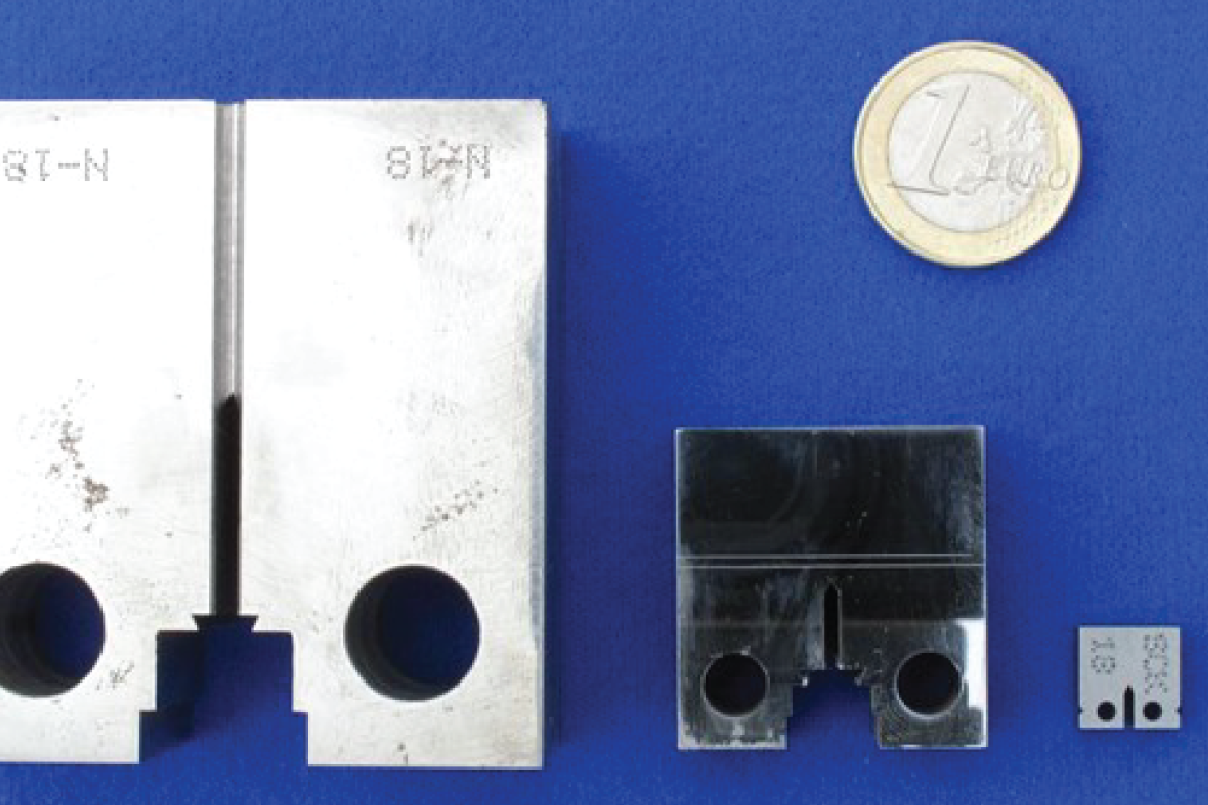
As nuclear power plants age, many are being kept in operation beyond their initial design lifespans. As a result, surveillance materials (samples of the same material as the reactor vessel) used to monitor reactor vessel safety are becoming scarce. To preserve sufficient material for ongoing safety assessments, progressively smaller test samples are being utilised. This may even involve using broken fragments from previously tested samples. The goal of the FRACTESUS project was to demonstrate that fracture toughness of reactor vessels can be reliably assessed using small test samples instead of large specimens. This objective has now been successfully achieved.
The project also offers a financial benefit. As part of additional verifications (such as those conducted for Doel 3 and Tihange 2 several years ago), we sometimes irradiate these materials in test reactors, like our BR2. The irradiation capacity at such reactors is both limited and costly. Utilising smaller test samples enables the optimisation of the irradiation volume. It's a win-win situation.
Laboratory testing with finite element calculations
More than 600 fracture toughness tests were conducted on different steel types, both irradiated and unirradiated, during the project. To support the interpretation of these tests, finite element calculations were conducted to compare the behaviour of small test samples (MC(T)) with that of larger samples. This combined approach facilitated the optimal use of MC(T) samples and demonstrated the repeatability and reproducibility of the tests.
What were the main results?
- Reliability of small test samples: The project confirmed that small test samples are as reliable as larger ones in assessing fracture toughness.
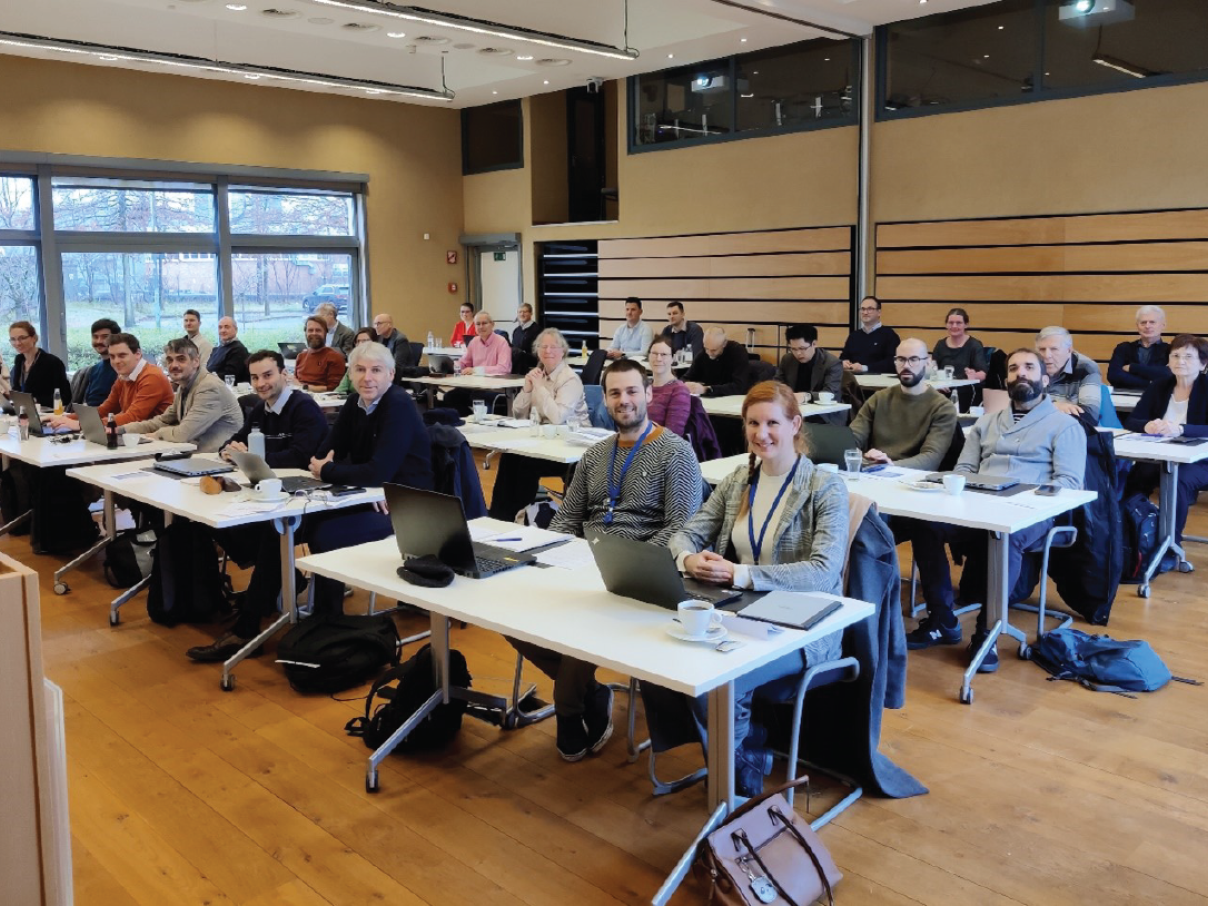
- Laboratory collaboration: 21 partners across 14 countries and 14 laboratories performed over 600 tests with consistent results.
- New guidelines and standards: New guidelines were created for using small test samples. The guidelines are now being reviewed by the ASTM standardisation committee for inclusion in ASTM E1921.
- Materials research: A variety of materials, including both base and welding materials, were examined to confirm the effectiveness of small test samples.
The project supports the safety and sustainability of nuclear energy, especially considering the lifetime extension of existing reactors worldwide. By using small test samples, previously tested material can be reused, offering cost savings for new irradiations while still enabling reliable safety assessments.
Key steps for moving forward
- Adapt standards: SCK CEN actively participates in ensuring that the insights generated are incorporated into international standards, such as ASTM E1921.
- Regulatory: SCK CEN is working to promote the use of small fracture toughness samples in collaboration with nuclear operators and national safety authorities.
- Valorisation: The project's developments are being applied in new nuclear industry service contracts.
- Implementation: The new test methods were successfully adopted for the first time by the US nuclear regulator (NRC).
Horizon 2020
This project has received funding from the Euratom research and training programme 2019-2020 under grant agreement № 900014.