
Fukushima: today
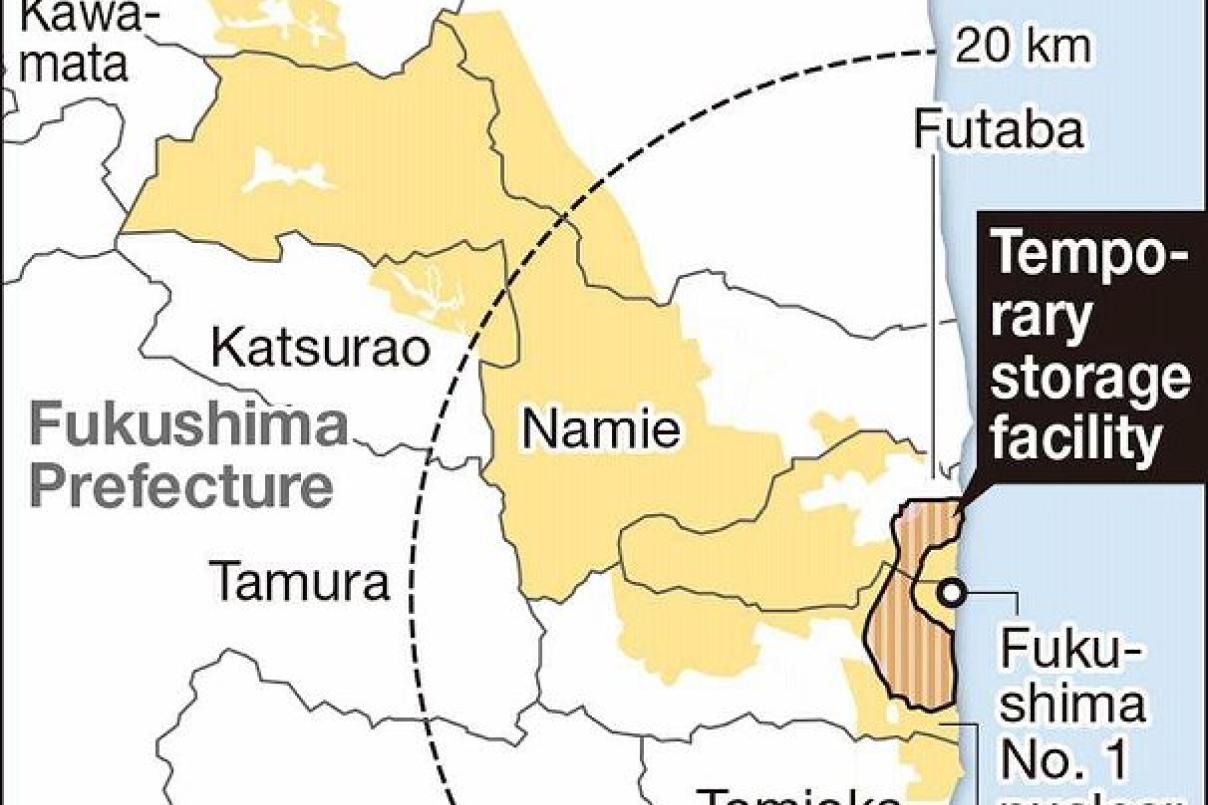
In an area of 1,113 km², over 160,000 people had to leave their homes. The Japanese government decided to focus on remediation, carrying out a thorough decontamination of the area by removing contaminated soil and sanitising the 11 affected municipalities. The aim was to allow residents to return to their familiar surroundings once conditions were safe, which gradually took place from 2015 onwards.
Fukushima in figures
-
After the disaster, 20 million cubic metres of soil were removed from around the damaged nuclear power plant. This would be enough to cover more than 2,500 football pitches with a one-metre-high layer of soil. Most of this soil was taken to a temporary storage site for radioactive waste. Some of the soil was incinerated, while the lightly contaminated soil was reused in road and hydraulic engineering projects under strict conditions. Japanese Prime Minister Shigeru Ishiba received dozens of bags of lightly radioactive soil for a flower garden to demonstrate that it was safe for reuse.
-
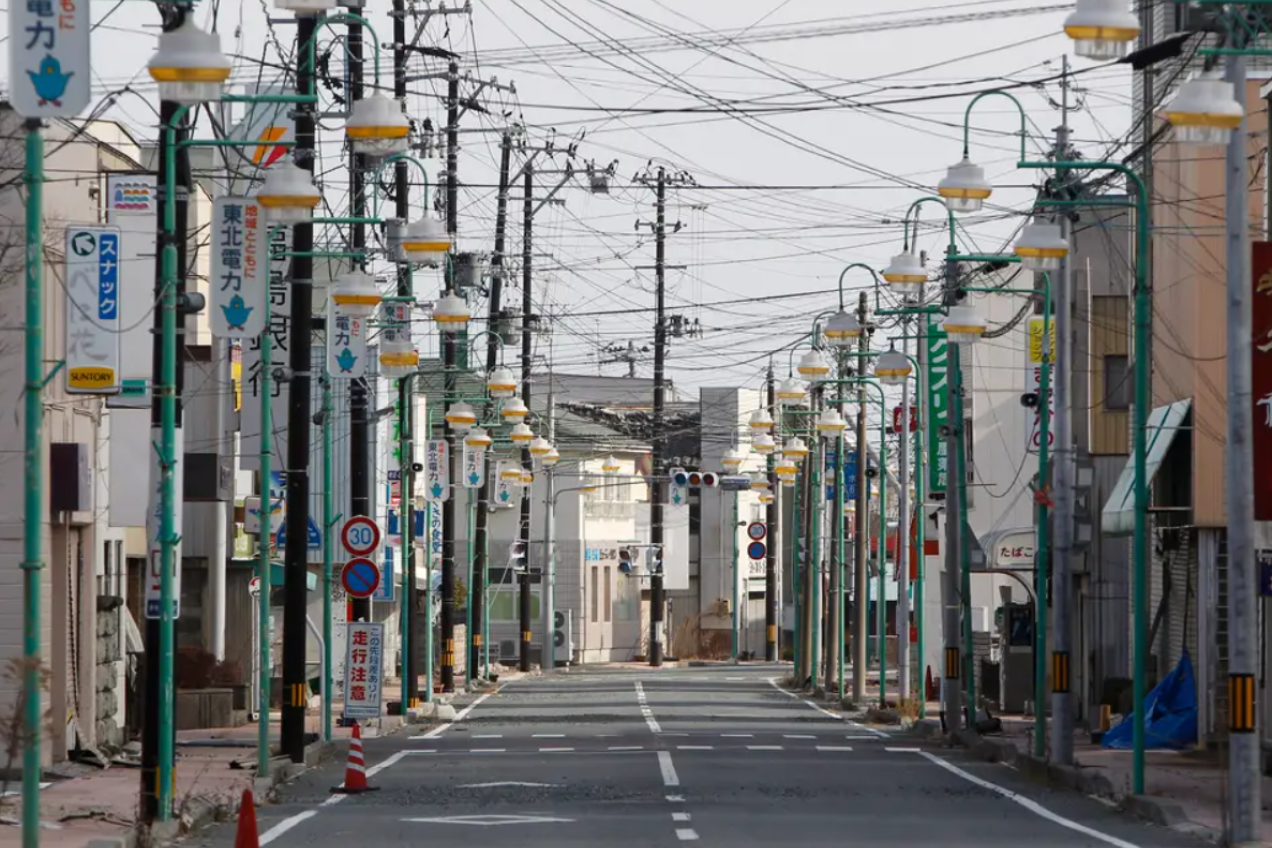
After the accident, a significant area of Fukushima Prefecture was designated as an evacuation zone, covering a 20-kilometre radius around the nuclear power plant, which included 11 villages. In 2015, the Japanese government lifted the evacuation order for Naraha. This was the first village where residents were allowed to return home. More than 45% of the residents did so initially, and by now 70% have returned. In the years that followed, (parts of) other villages were given the all-clear. In 2022, approval was also granted to reopen parts of Futaba. That was the home of the nuclear power plant. To date, only 4% of residents have returned to their homes here. Currently, approximately 24,000 residents remain evacuated.
-
The large-scale remediation accomplished its intended goal. In most of the affected areas, the dose rate dropped below the 20 mSv per year limit, and the area was released. This allowed 80% of the affected areas to be released. The evacuation zone was thus reduced from 12% of the prefecture’s total area to 2.2%.
-
The seawater used to cool the nuclear reactors at the time was stored in tanks and extensively purified with an Advanced Liquid Processing System (ALPS). Since this water cannot be stored forever due to the limited lifetime of the tanks, there is now a need to dispose of this water. The ALPS system removes almost all radioactive elements from the water, except for tritium, allowing it to be discharged into the Pacific Ocean. The water is not discharged all at once. The discharges will be spread over several years. This is to keep the concentration of tritium – the radioactive element that is difficult to extract – below the limit of 1500 Bq/L. This standard is seven times lower than the guideline used by the World Health Organisation (WHO) for drinking water contamination.
Site remediation
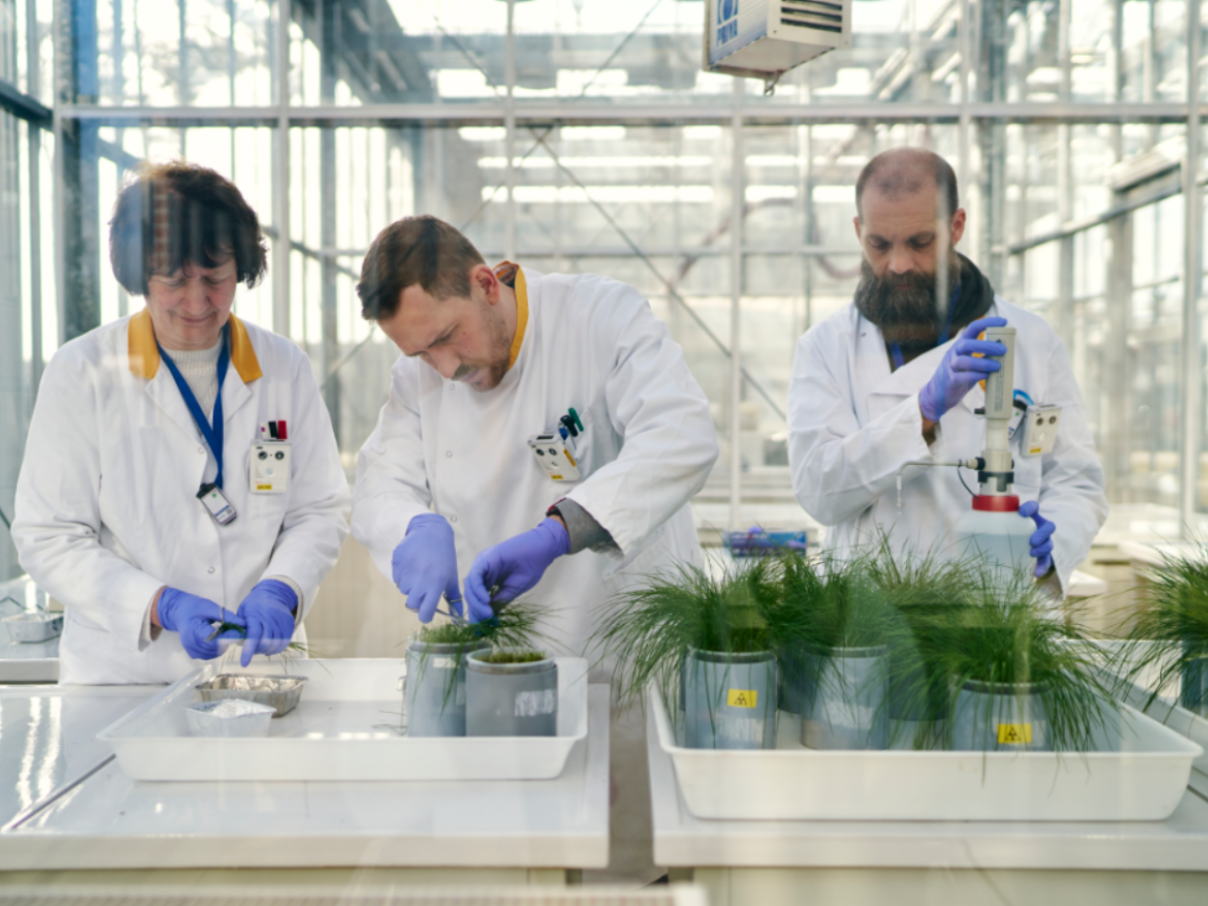
In Fukushima, it was immediately decided to decontaminate the surrounding land. What followed was a site remediation of unprecedented scale. SCK CEN applies the same techniques and expertise. We assess, calculate the impact of, and develop remediation options for contaminated industrial sites.
Dismantling of Fukushima units
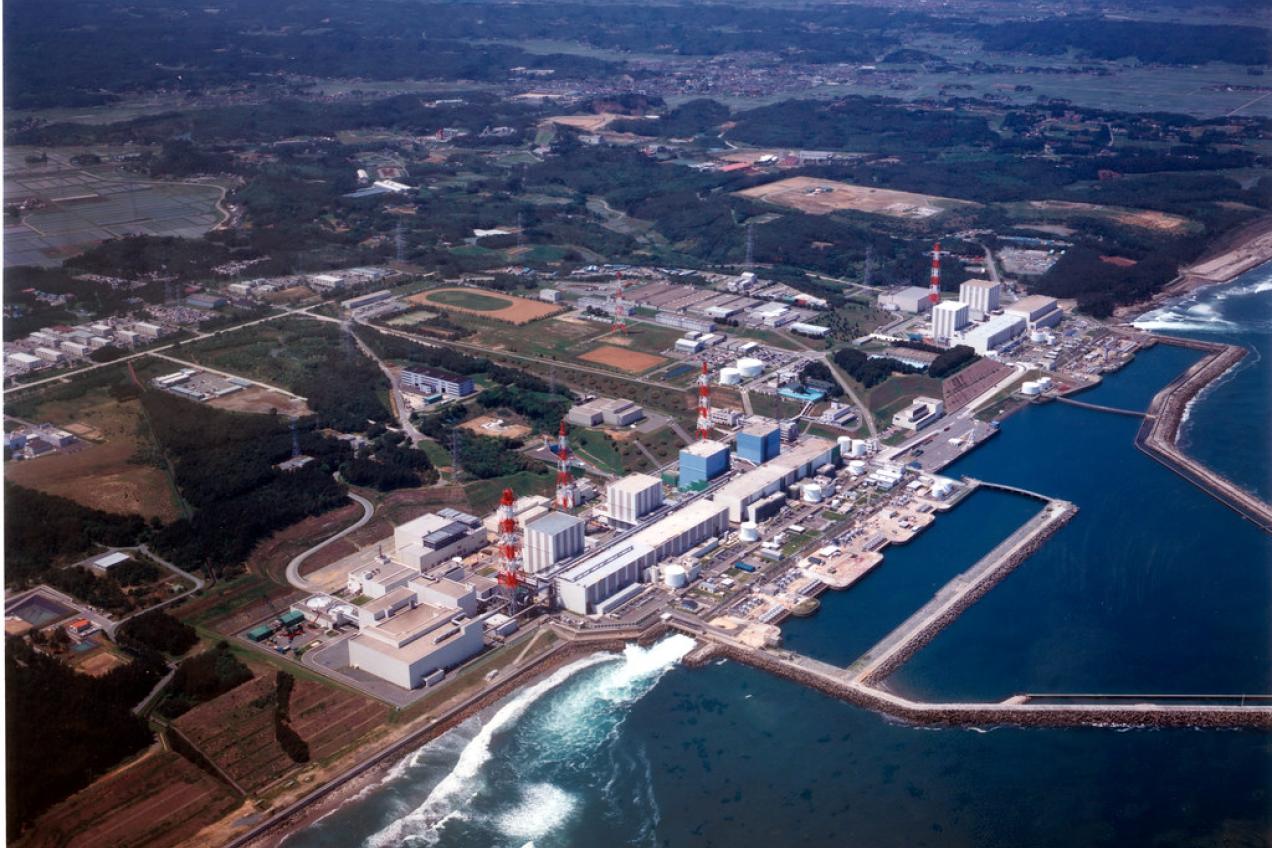
The dismantling of the Fukushima Daiichi site is expected to be completed in 2051. Dismantling nuclear power plants is a lengthy process, so this timeframe is not surprising.
The nuclear power plant consists of six reactor units, and the situation in each reactor is different. The dismantling consists of several phases, the first of which was the cold shutdown in 2011, just after the accident. This was followed by a two-year period until November 2013, when the removal of the fissile material began. The third phase began in September 2024 with the start of trial removal of the fuel debris in Unit 2. This phase is still ongoing. Specific procedures are being developed for this purpose.
The IAEA posts regular status updates on Fukushima Daiichi.
Read more about ...
-
Fukushima: the accident
-
Lessons learnt from ukushima
-
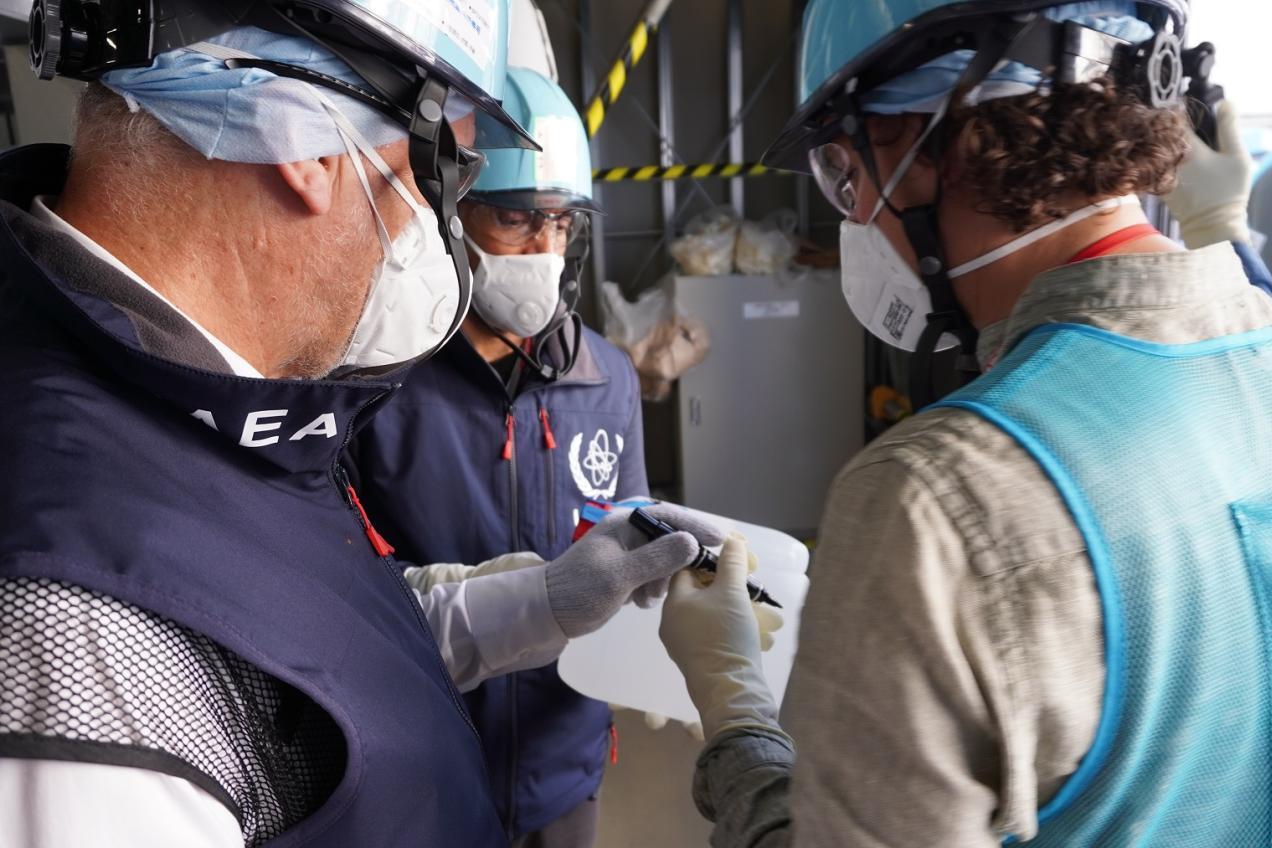
SCK CEN on site