
Fukushima: SCK CEN on site
Although Fukushima is on the other side of the world, our nuclear research centre, SCK CEN, was also quickly mobilised to assess the situation.
Our expertise was called upon in the first crucial hours and in the ensuing years. Join us on a journey through the timeline of our contribution.
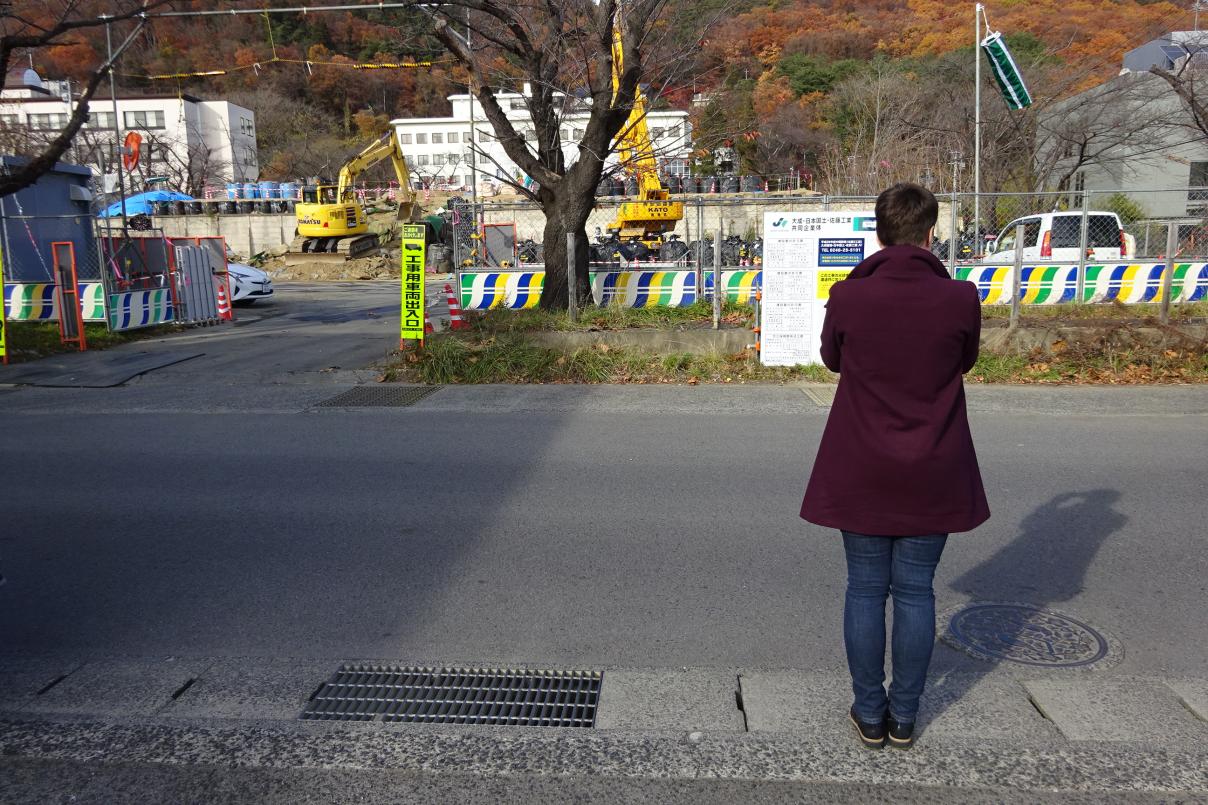

2011: Early response
Our contribution in the first hours and days after the accident was threefold:
- Contamination monitoring: Belgian nationals were repatriated. Once they landed in Brussels, they were received at the military hospital in Neder-Over-Heembeek. This was carried out in cooperation with several organisations, including Defence, FANC, and SCK CEN. SCK CEN checked the travellers for external and internal radioactive contamination. Their luggage was also closely screened. No contamination was detected.
- Atmospheric models: In late March/early April, traces of radioactive iodine and caesium released during the nuclear accident were detected in Belgium. By then, the cloud had diluted enough to pose no threat to public health. SCK CEN closely monitored the situation using its atmospheric models.
- Marine investigation: SCK CEN was immediately contacted by the United Nations Safety Committee on the Effects of Atomic Radiation (UNSCEAR) to shed its expert light on the impact of radiation on marine life as a result of the accident. We conducted a radiological impact assessment on the accidental discharges to the seawater, modelling the transfer and radiation doses to populations of marine wildlife. This has led to an ongoing effort ever since 2011 to Improve the study as more data became available, leading to 15 peer-reviewed scientific publications on the subject, which you can find in our research portal.
- Advisory role to importers: There was a surge in requests for advice from companies importing from Japan. SCK CEN provided clear information, straightforward guidelines, and practical training on how to properly monitor contamination.
In response to Fukushima, several European projects were launched to develop more accurate atmospheric models. Attention was focused, among other things, on deposition parameters. How do radionuclides reach the Earth's surface under dry and wet weather conditions? Through deposition, radionuclides enter the biosphere and, subsequently, the food chain. These insights help improve emergency planning.
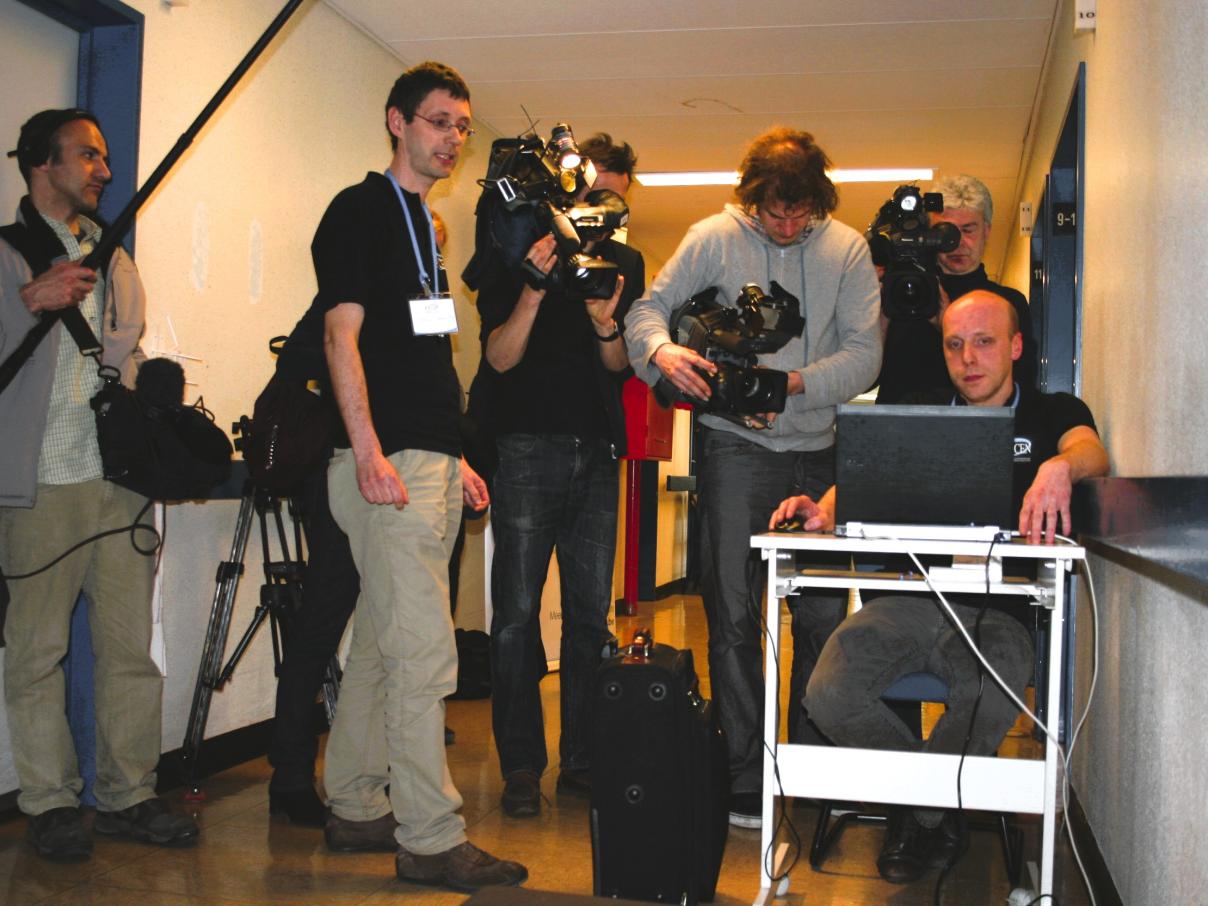
2011 - present: Journalistic interpretation
When the first reports of the Fukushima nuclear accident came in, SCK CEN was inundated with questions. What exactly had happened? What caused the explosions in units 1, 2 and 3? What radiation levels were measured on site and what do they mean for public health in Japan and beyond? We provided scientific insight to help the media accurately contextualise a situation that was changing by the hour.Over the years, we have given various press interviews about the situation in Fukushima, most notably with regard to regulated releases of contaminated water into the ocean. More recently, we provided input for a detailed article on Fukushima-water in the science magazine EOS.
2012-2016: Soil Research
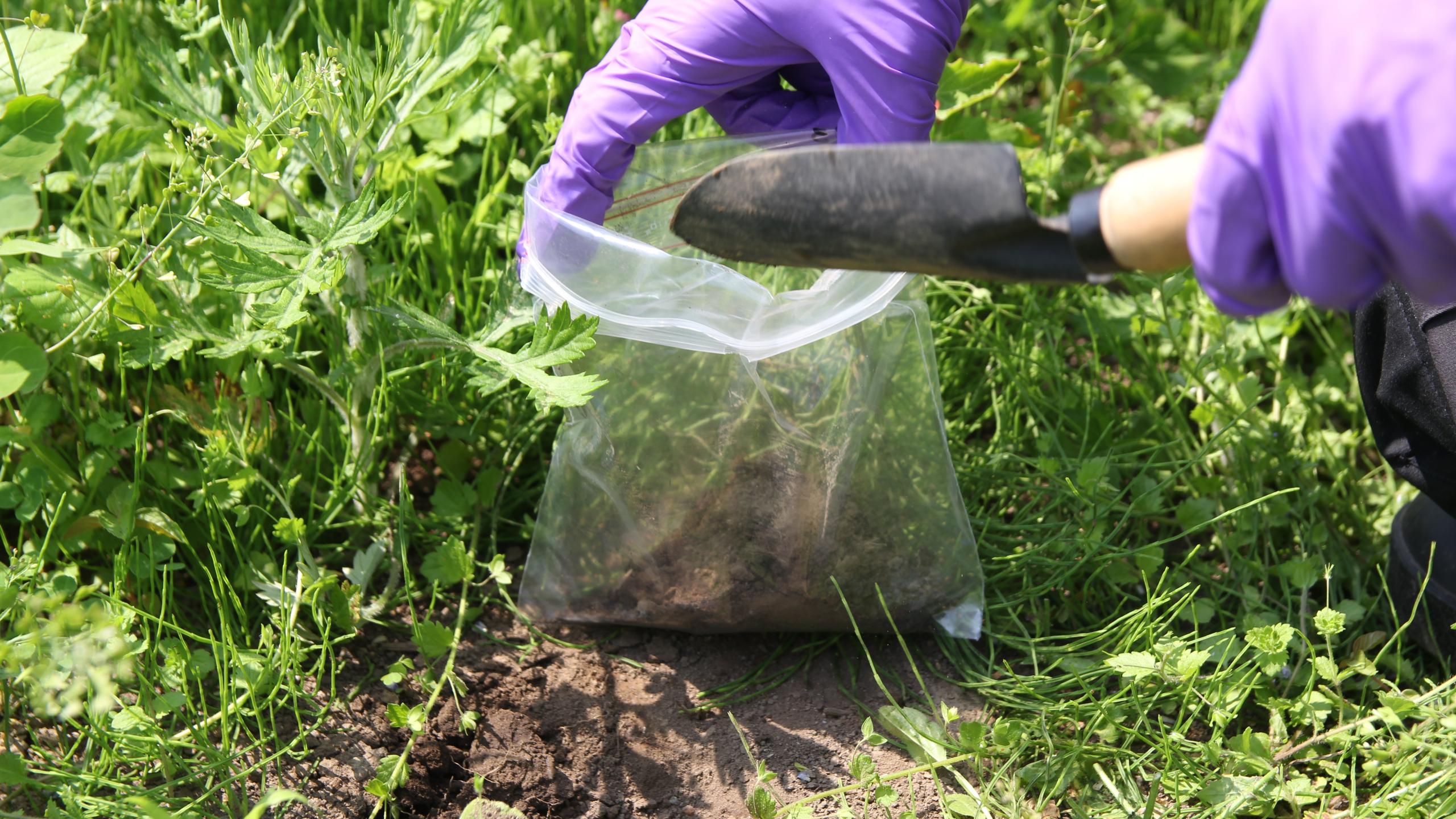
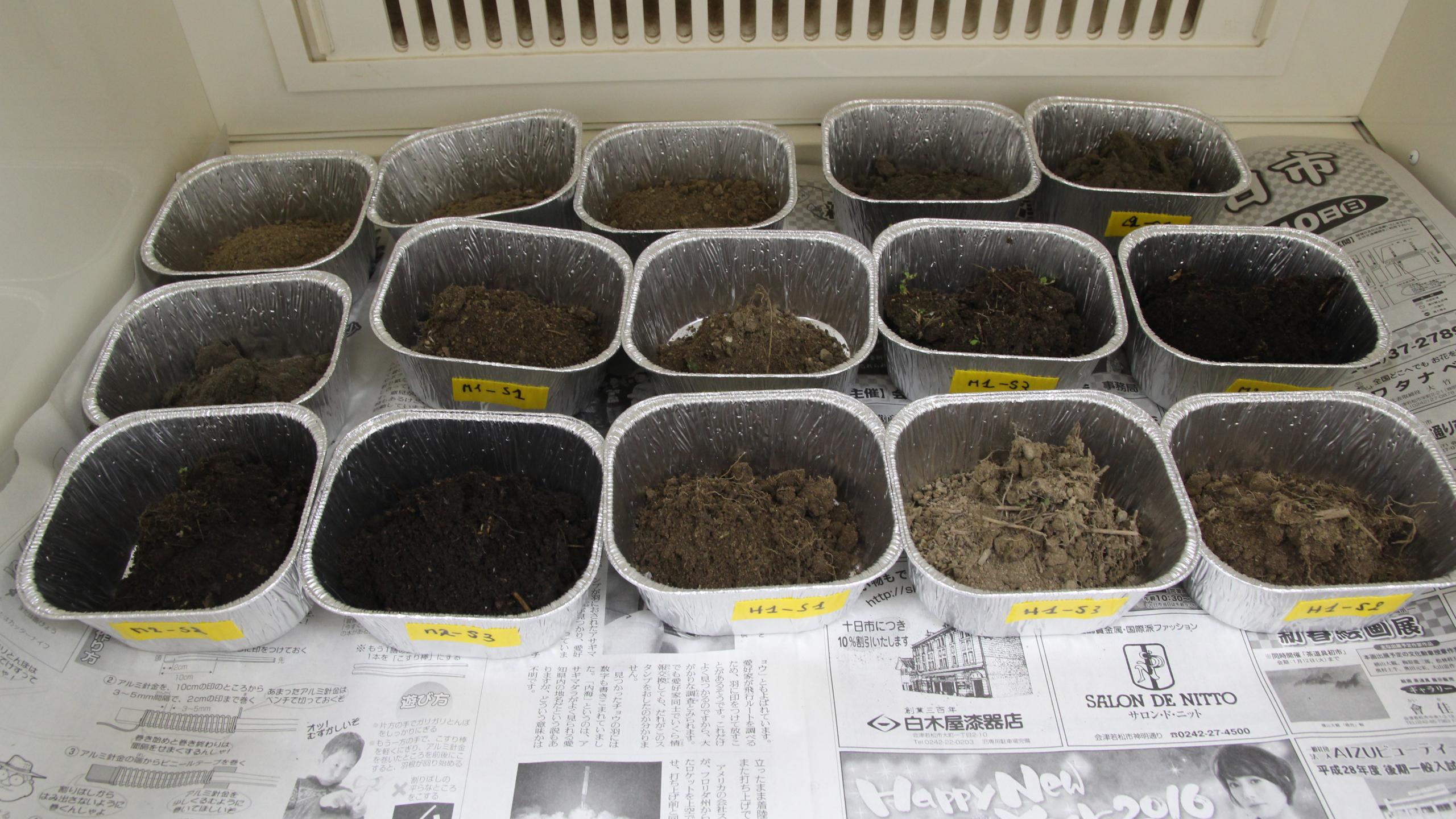
The subsoil in Japan differs from that in Belgium. Japan is located in a volcanic area and therefore has typical 'andosol' soil: dark, volcanic soil composed of ash, tuff and pumice. A different soil composition can mean that radionuclides, including caesium, will move and bind differently compared with sandy, loamy, or clay soils like those we are familiar with. Between 2012 and 2016, SCK CEN examined this behaviour. We took contaminated soil samples on site and grew rice plants on them in our laboratories. That study showed that the amount of caesium that sticks to the soil (clay particles) in Japanese soil is significantly lower than in European soil. In other words, caesium in Japanese soils is more readily taken up by the vegetation growing there. These ‘soil-to-plant transfer’ figures form the basis of models used to calculate the eventual impact on humans and the environment. The research was able to make recommendations on how to refine the model parameters so that they also take into account the other characteristics typical of Japanese andosol soils.
2016-2019-2022 – Pines
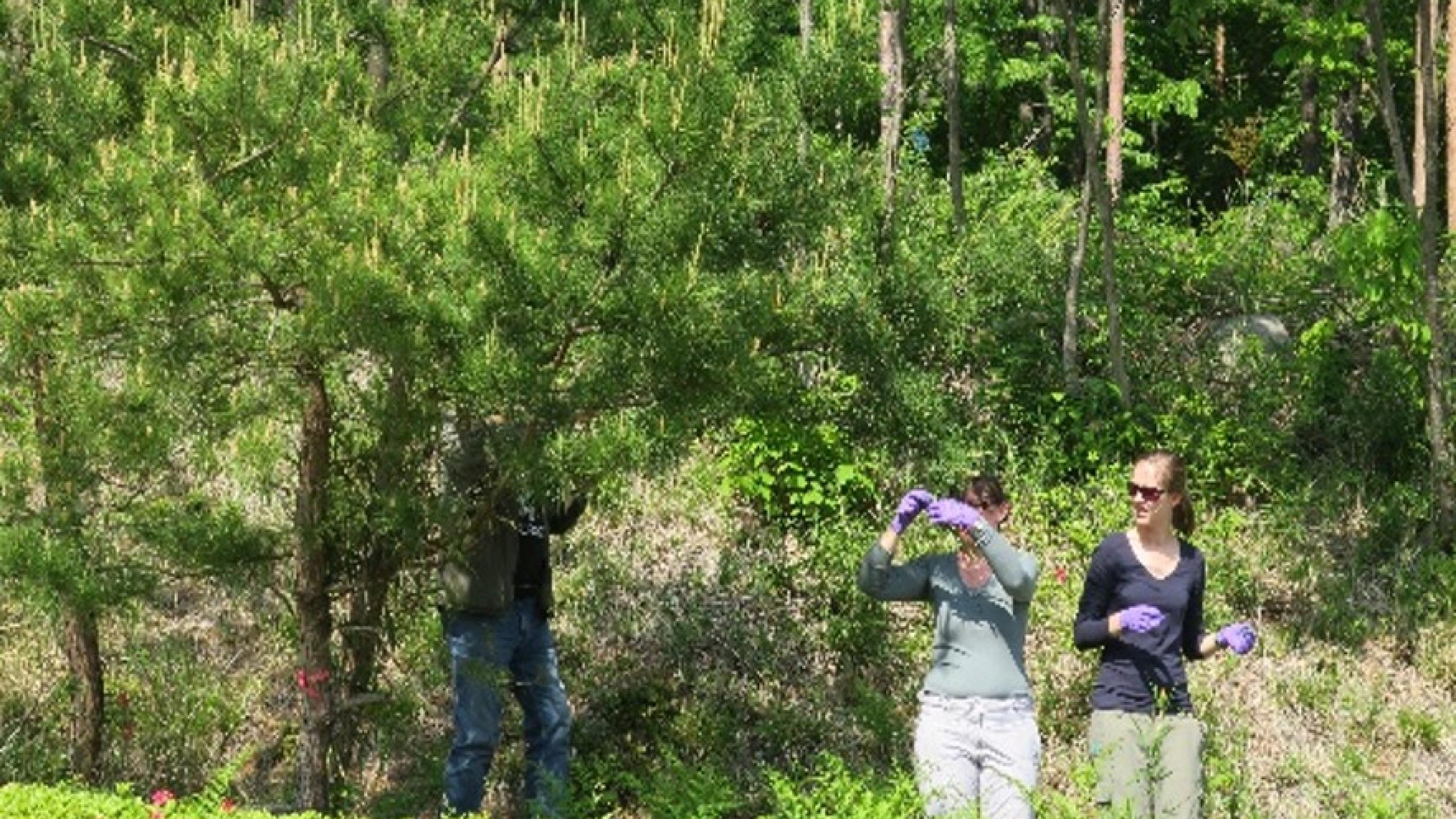
SCK CEN researchers travelled to Japan three times to collect samples from pine trees. Previous research in Chernobyl had taught us that these trees are just as sensitive to radiation as humans, and therefore more sensitive to radiation than other vegetation. We observed the same effect in Fukushima, where the doses were much lower. The aim was to unravel the underlying mechanisms behind this vulnerability. This knowledge is essential for quickly identifying the most vulnerable plant species during site remediation. And if the same mechanisms also apply to humans, they could offer new insights for cancer treatments. This is ongoing research; the code behind the radiation sensitivity of pine trees has not yet been cracked, but some clues have already been uncovered.
2019-2023: Decision tree for cesium contamination
After the disaster, Japan focused strongly on remediation. This raised the following question: can we develop a substantiated decision tree to guide us in steering decision-making in the event of a nuclear accident and, therefore, caesium contamination? Is remediation advisable? And if so, where, how and when? The aim is to remove as much caesium contamination as possible while limiting the socio-economic impact. This research was part of a Coordinated Research Programme (CRP) of the IAEA.
2011 - 2024: Marine modelling
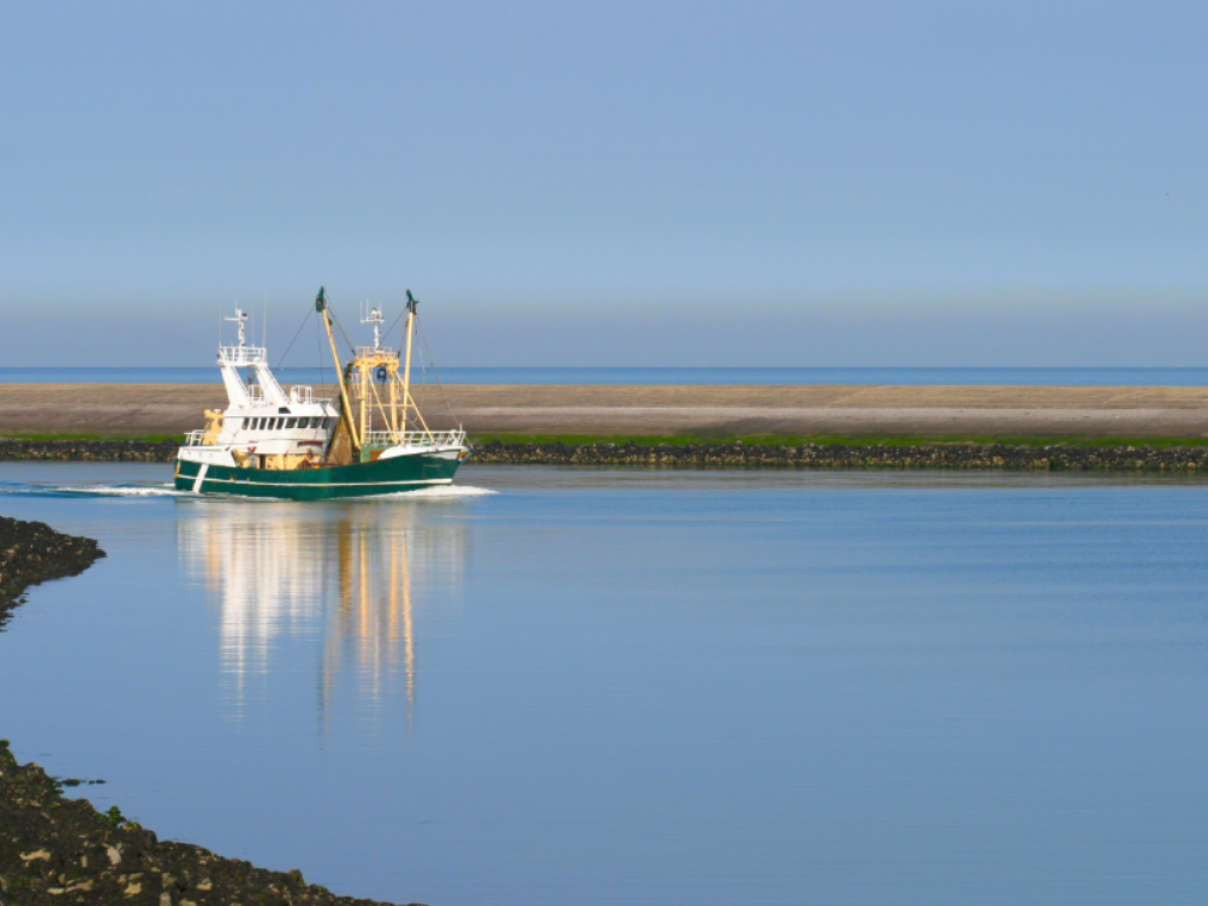
Japan is a country that lives mainly from fishing. With a large part of the radioactivity that settled in the sea after the nuclear disaster, there were concerns that the fish would no longer be edible. How much of the released radioactivity ends up in the food chain? Does a fish that likes to dwell in sediment absorb more radioactivity than other fish? ...
To evaluate these risks, SCK CEN played a leading role in the first international assessment of radiological impacts on the marine environment. Our experts contributed to UNSCEAR, using one of the first dynamic models (D‑DAT) capable of evaluating radiation exposure to marine wildlife under rapidly changing post‑accident conditions. This work has been used for official reporting and has been updated several times since.
In parallel, we launched our own marine research programme. Over the years, we refined the D-DAT model to better understand how radioactivity moves through seawater, sediments, marine species in order to improve long-term post-accident predictions. Our work has generated many scientific publications, such as an overview of the impact of marine discharges and two subsequent updates 5 and 10 years on in the Integrated Environmental Assessment and Management journal, among others.
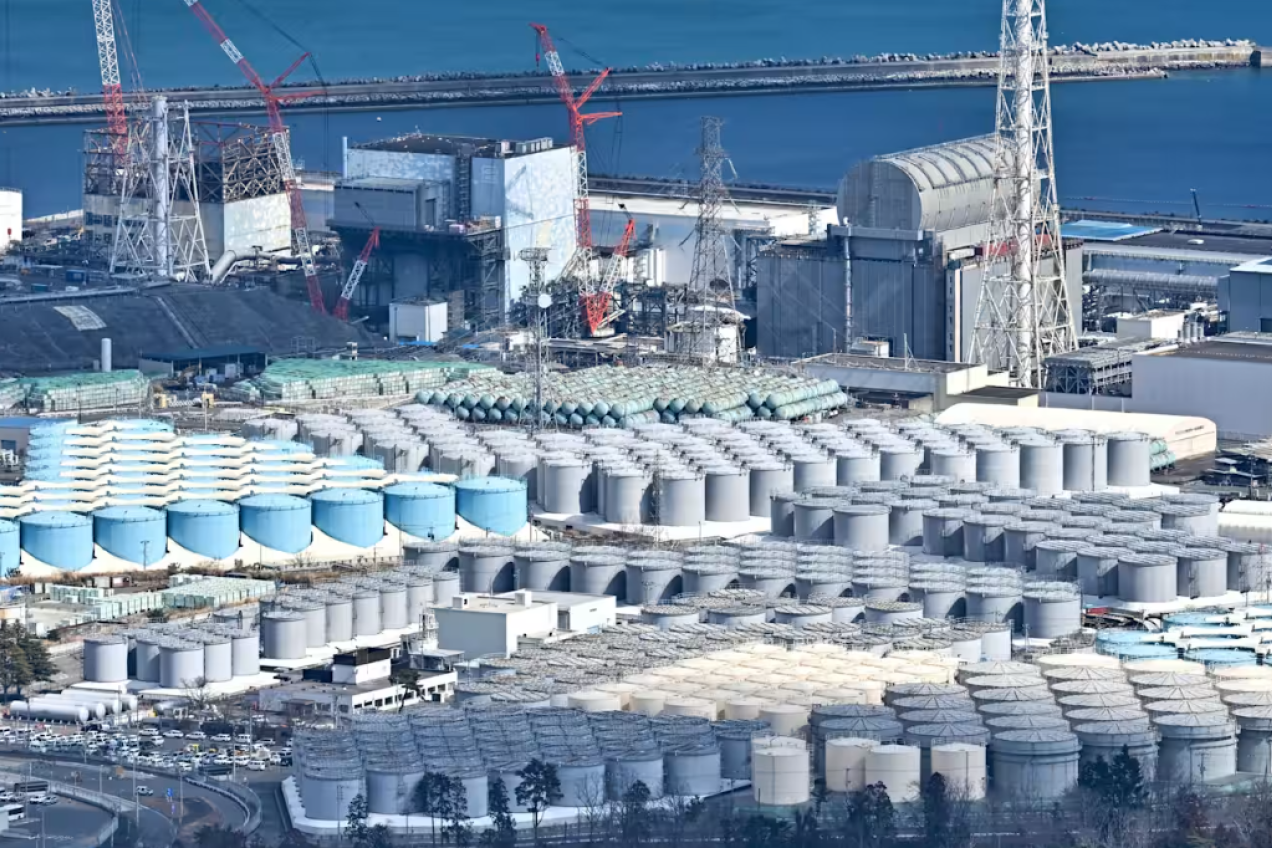
SCK CEN has consistently been among the first to respond to new questions related to Fukushima. In 2022, we produced one of the earliest assessments of the expected environmental impact of the release of water treated by Advanced Liquid Processing System (ALPS), based on the latest Japanese monitoring data. At a later stage, we were amongst the experts to go on site and sample and analyse the water, as you can read in the next chapter.
By modelling Fukushima’s marine impacts from day one, we’ve helped bring clarity to a complex situation and supported informed decision‑making worldwide. — Jordi Vives i Batlle, expert on radioecology
And what about those fish? One of our studies showed that a Japanese consumer would need to eat around 2,500 kg of fish, 170 kg of shellfish and 230 kg of molluscs per year to receive a radiation dose similar to natural background levels. This is more than 120 times the actual consumption, indicating no significant radiological risk. The Japanese can thus safely resume their fishing.
Did you know that this same D-DAT model was recently used to predict the impact of increasing use of radiopharmaceuticals on our ecosystem?

2025 – Analysis of purified sea water
In August 2023, TEPCO began discharging contaminated water from the Fukushima Daiichi power plant into the Pacific Ocean. The water was treated with the ALPS procedure mentioned above. The discharge was done under supervision from the IAEA. To ensure compliance with international safety standards, the IAEA and the Japanese government decided to introduce additional controls and analyse the treated water. As part of this, the IAEA organised a (fourth) international mission to Fukushima Daiichi. SCK CEN also participated in this mission. The assignment was divided internally between two specialised groups: ISR (Impact & Site Remediation) took care of the sampling on site, while LRM (Low-level Radioactivity Measurements) analysed the water samples in Belgium.
Read more about ...
-
Fukushima: the accident
-
Fukushima: today
-
Lessons learnt from Fukushima