
Fukushima - 15 years later
Fifteen years after Fukushima, we reflect on the events that led to stricter standards, amended legislation and a stronger safety culture worldwide. SCK CEN has closely monitored these developments and continues to contribute to these sites and beyond through research, measurements and interpretation.
-
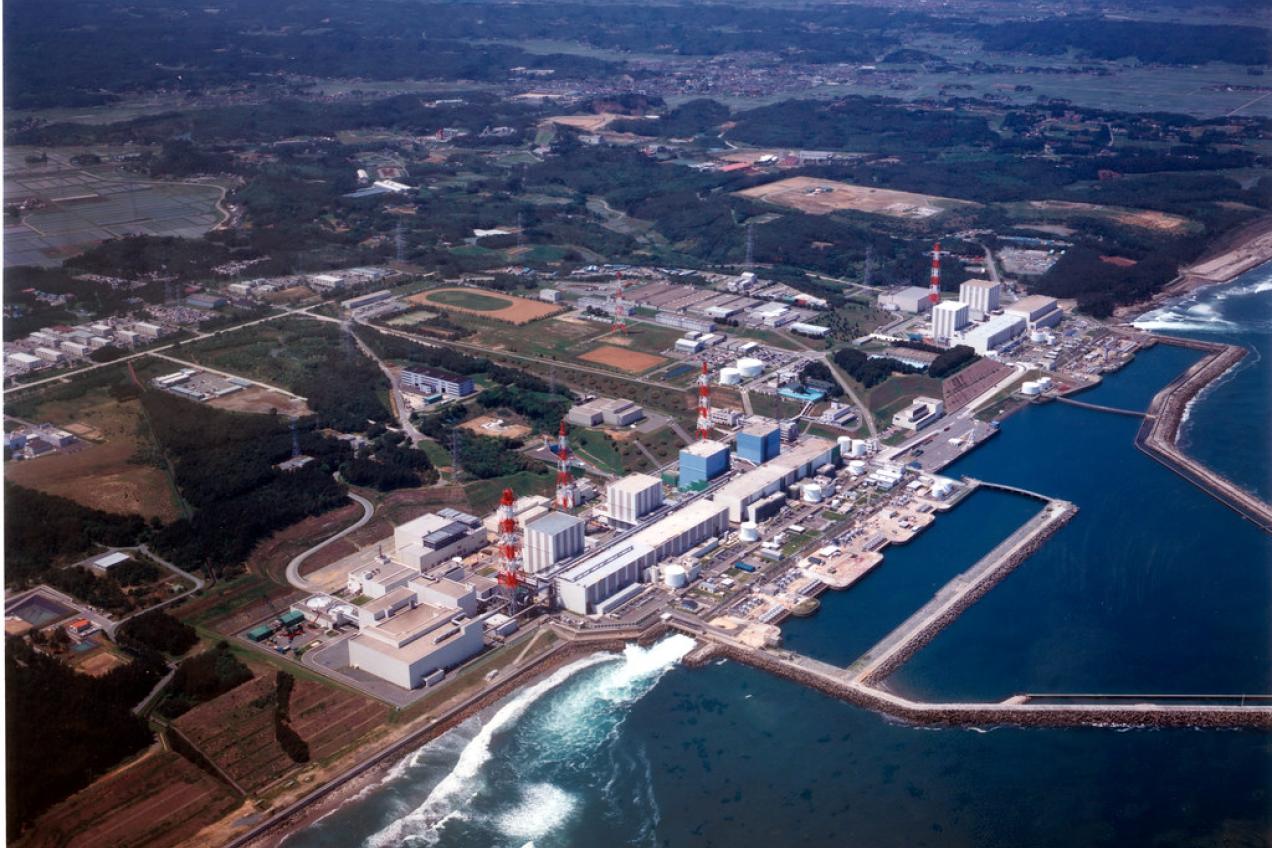
Fukushima: the accident
On 11 March 2011, Japan was hit by a earthquake measuring 9.0 on the Richter scale. The quake caused the Fukushima Daiichi nuclear power plant to shut down automatically. The ensuing tsunami destroyed the cooling systems of units 1, 2 and 3. Overheating caused the reactor core to melt, releasing large quantities of radioactive substances.
-
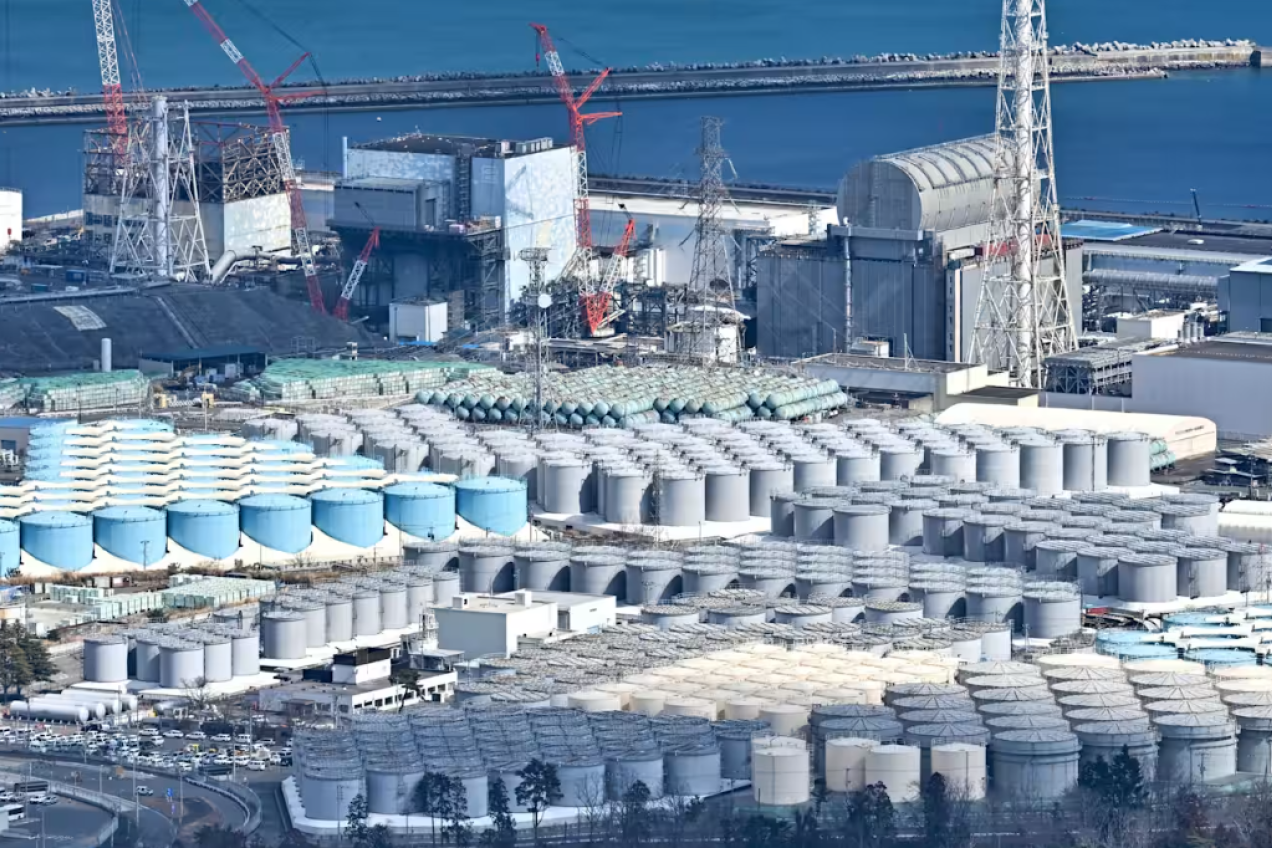
Fukushima: today
In an area covering 1,113 km², more than 160,000 people had to leave their homes. The Japanese government decided to focus on remediation and thoroughly clean up the region by excavating soil and decontaminating the 11 municipalities involved. The aim was to allow residents to return to their familiar surroundings at a later date. And so it gradually happened from 2015 onwards.
-
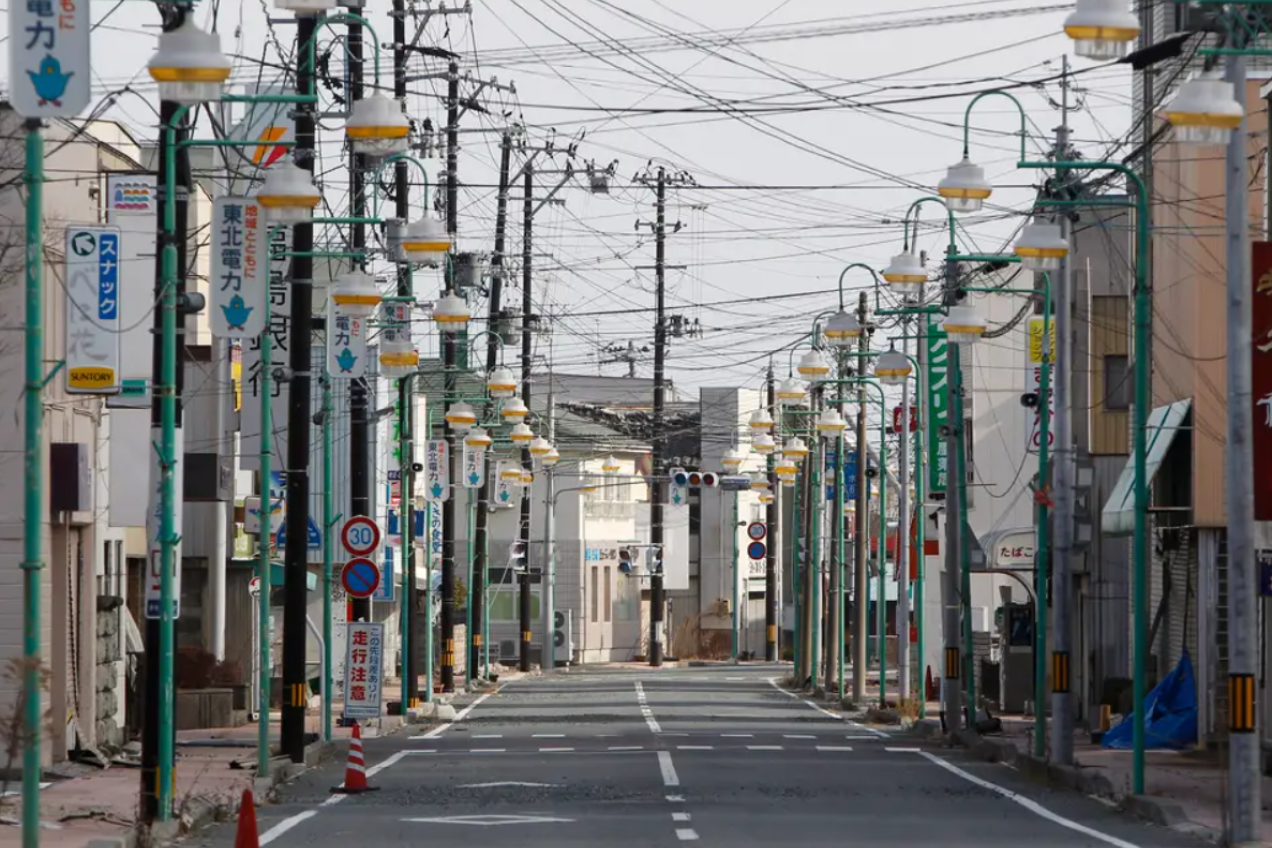
Lessons learned from Fukushima
Fukushima raised the bar for nuclear safety worldwide. The accident taught us to test installations even more rigorously, to pay attention to external factors, to strive for passive safety and to dare to involve citizens.
-
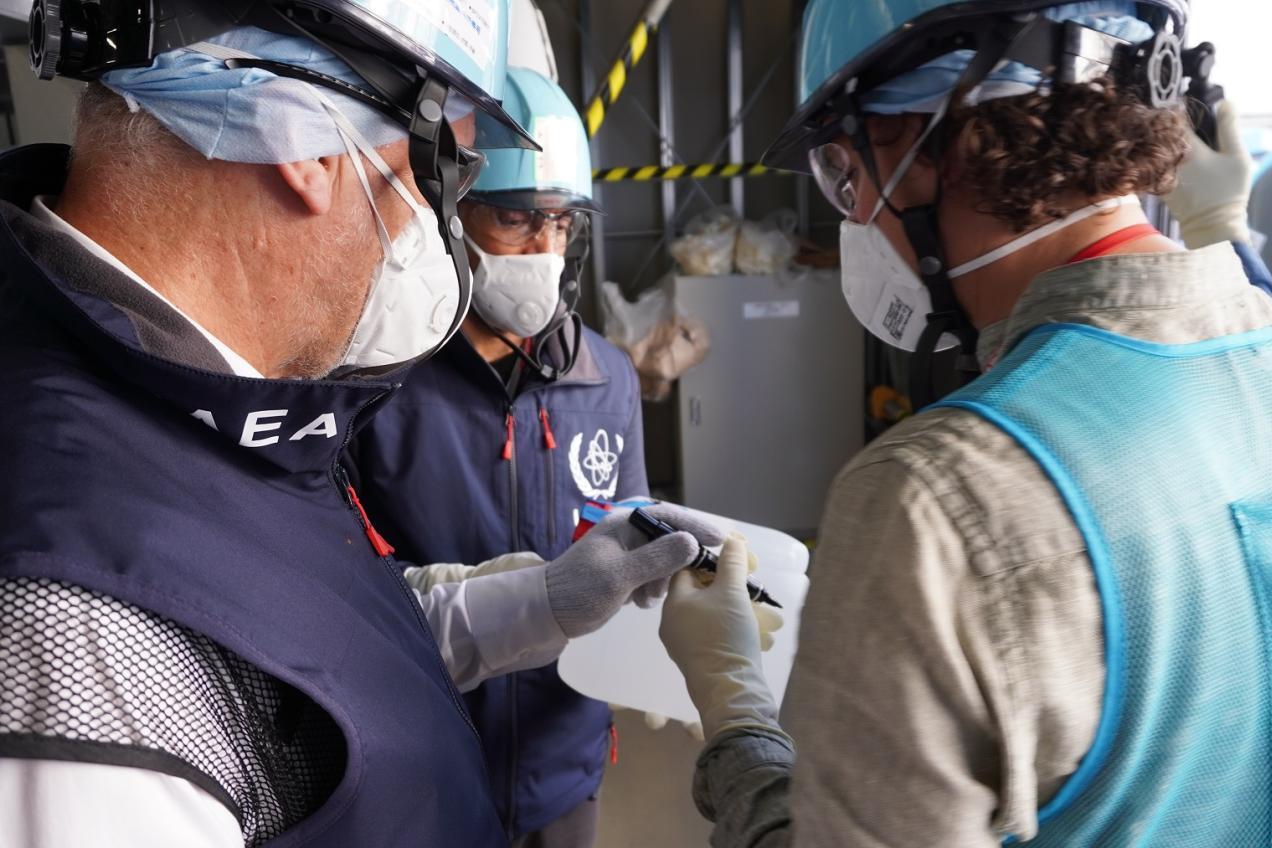
SCK CEN on site
Eventhough Fukushima is on the other side of the world, our nuclear research centre SCK CEN was quickly called in to assess the situation. Our expertise was called upon in the first crucial hours and in the many years that followed. Join us on a journey through the timeline of our contribution.