2025 – a year of progress in the development of lead-cooled SMR
The joint EU-SMR-LFR project by SCK CEN, ENEA (IT), Ansaldo Nucleare (IT) and RATEN (RO), aiming to demonstrate the potential of lead-cooled, fast reactor technology, is on the eve of what is looking to be a promising year. The project is playing a crucial role in the development of low-carbon energy production and its aim is to provide society with a sustainable energy solution.

Belief in both the project and the schedule
The EU-SMR-LFR project remains on track to build a new demonstrator of the first lead-cooled SMR by 2035. The project also enjoys a great deal of support not only in Belgium, but on a European level as well.
In Belgium, SCK CEN has received an official assignment from the Belgian government, asking it to develop new technologies for a more sustainable implementation of nuclear energy as a means of responding to concerns from society. These include developments such as reducing waste, increasing safety and utilising resources more efficiently.
The next important step in the project is the signing of a binding contract by all European consortium members in spring 2025.
The project also received a significant boost at European level late last year after receiving recognition from the European Industrial Alliance on Small Modular Reactors. This European recognition confirms that we are on the right track and underlines the strength of the consortium that the four partners are aiming to form.
Joint forces within a rock-solid European consortium
One of the major trump cards of the EU-SMR-LFR project is the strong consortium of well-known European partners: SCK CEN, Ansaldo Nucleare, ENEA and RATEN. The consortium combines the industrial know-how of Ansaldo Nucleare with the in-depth expertise in liquid metals of ENEA, the Romanian company RATEN and the Belgian organisation SCK CEN. This unique collaboration strengthens the project and lays a solid foundation not only for the achievement of scientific breakthroughs but also for the commercial application of the technology.
The special nature of this consortium is underscored by the presence of Ansaldo as an industrial partner. The focus of the project is not only on research into lead-cooled, fast reactor technology but also on how the technology itself can actually be commercialised. The presence of an industrial partner significantly increases the likelihood of success. We are hoping to formalise the cooperation between the partners this spring through the signing of a binding contract, by achieving a significant step forward in the energy transition and by implementing nuclear energy in a more sustainable way.
Recognition by the European Industrial Alliance
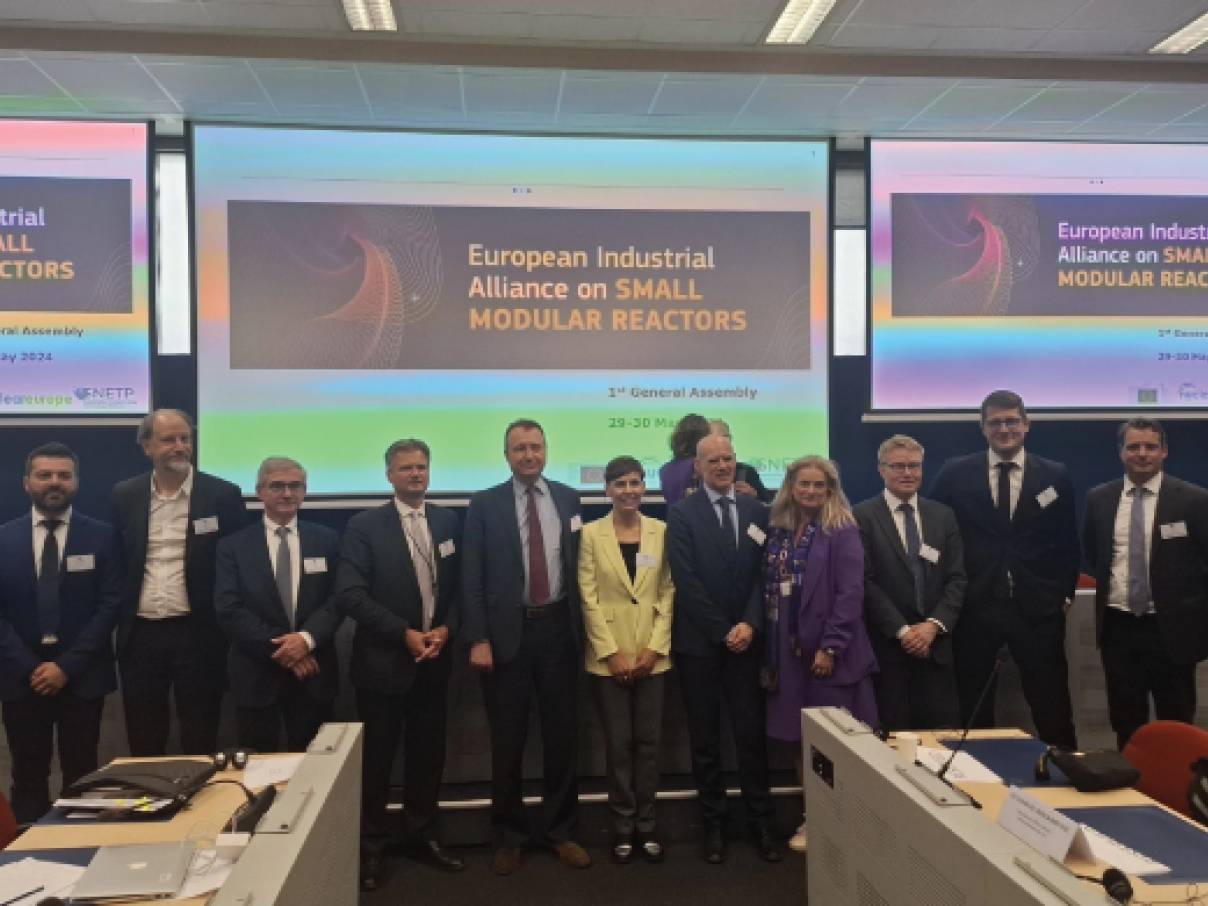
At the end of 2024, the joint EU-SMR-LFR project received a vote of confidence from Europe. The project received recognition from the European Industrial Alliance on Small Modular Reactors, an initiative of the European Commission, nucleareurope and SNETP.
The European Industrial Alliance on Small Modular Reactors selected three advanced SMR projects, two of which are working with the lead-cooled, fast reactor technology. This highlights the potential of that technology within the European Union. The technology is a promising and realistic choice. This recognition also strengthens our belief in the project, while opening the door for collaboration with other partners and projects.
The benefits of lead-cooled SMRs
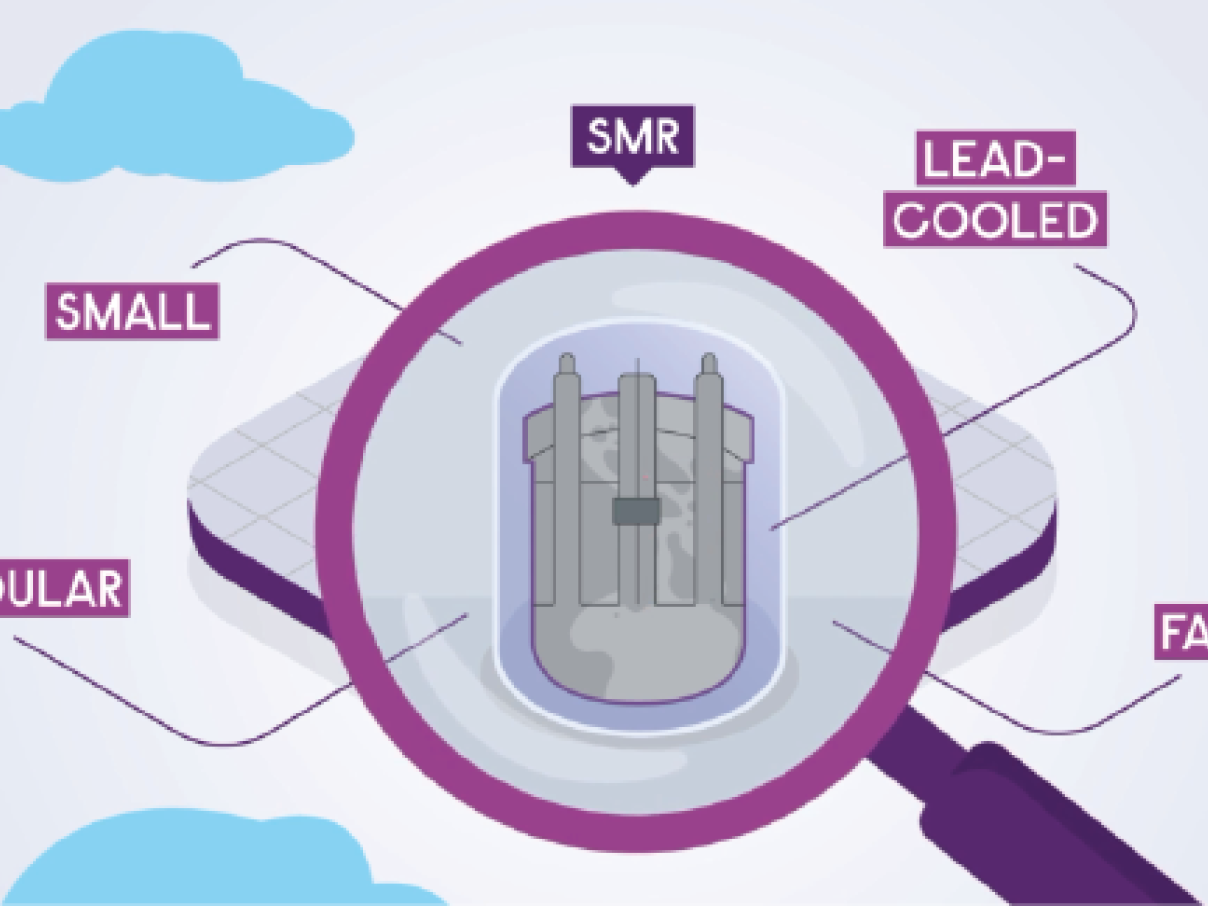
In a closed fuel cycle, a lead-cooled SMR offers some benefits compared to conventional, water-cooled reactors. The nuclear fuel is burned up more efficiently, leaving less long-lived radioactive waste.
The design for the EU-SMR-LFR project focuses on passive safety systems. When the reactor shuts down, the coolant automatically dissipates the heat by means of natural circulation. An additional passive safety feature when using lead as a coolant in an SMR-LFR is that the reactor is not pressurised and therefore no pressure loss incidents can occur.
Read more about the benefits of a lead-cooled SMR or watch the animation video.
Conclusion
2025 promises to be the year of progress as far as the joint SMR-LFR project is concerned. The project is looking promising thanks to the strong support from Europe and from the Belgian government and is playing a crucial role in the development of low-carbon energy production. With a strong European consortium and as one of the nine projects selected by the European Industrial Alliance on Small Modular Reactors from a total of 22 proposals, the SMR-LFR project is well positioned to make a significant contribution towards the energy transition.