
Sunken nuclear submarines in the Barents Sea: how SCK CEN monitors risks
Old Russian nuclear submarines from the Cold War, such as the K-159 and K-27, are still lying at the bottom of the Barents Sea. These wrecks still contain radioactive material and have been a source of international concern for years. The latest development in that story is the fact that from 2026 onwards, Russia will be providing a budget to do something with these wrecks, though it is unclear at the moment whether this will be an actual storage operation or a preliminary study. According to the recent article in the newspaper Het Laatste Nieuws, the submarines are a “ticking time bomb” and a leak or uncontrolled nuclear reaction could cause an environmental disaster similar to Fukushima. But how realistic is that? And how does SCK CEN go about monitoring radiological risks? Our experts have taken an in-depth look at the problem.
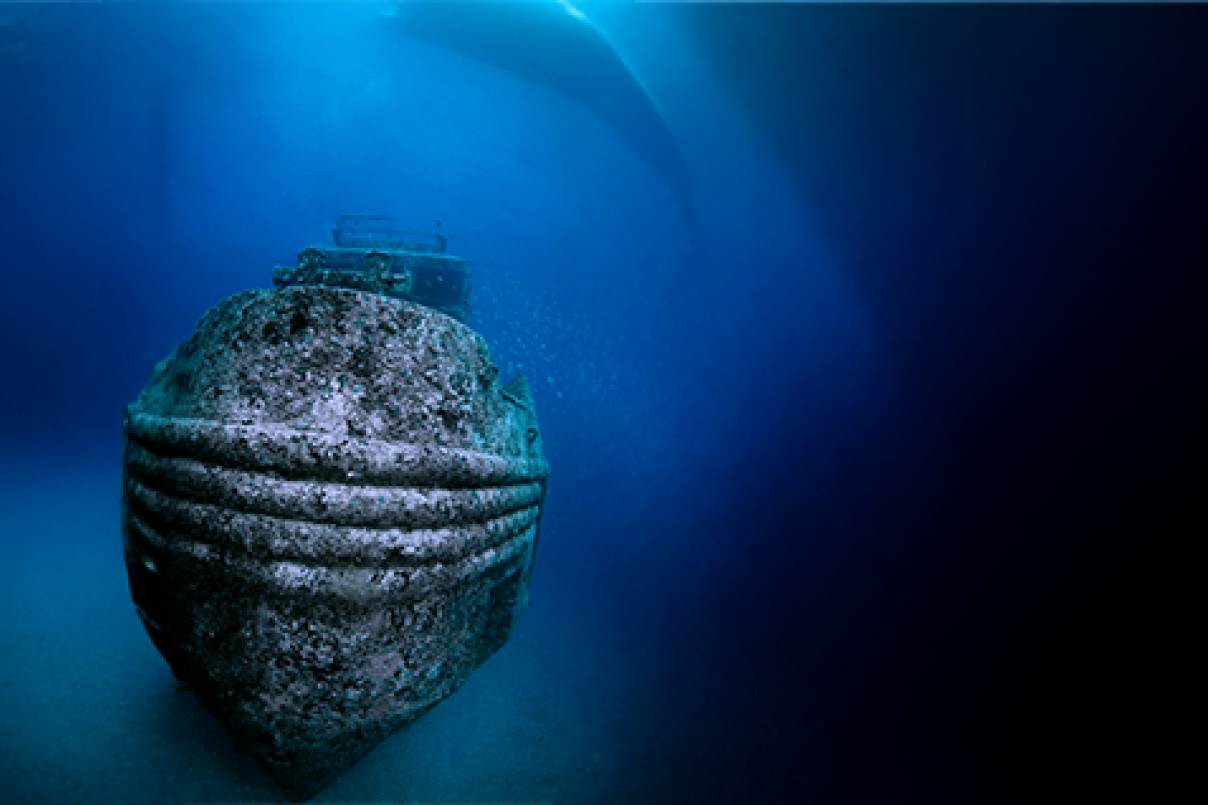
No Fukushima scenario to fear
While the submarines do indeed contain radioactive material, a disaster on the same scale as Fukushima is unlikely. Fukushima was an active nuclear power plant consisting of multiple reactors that failed simultaneously after an earthquake and tsunami. Sunken submarines do contain hazardous materials, but the impact would be more localised if an accident occurred while the nuclear submarine was underwater. However, if an accident were to occur during salvage operations, the impact could potentially extend further.
There is a possibility that an uncontrolled nuclear reaction could occur – something that is known as a criticality accident. This is a nuclear reaction that starts spontaneously, which can happen if the position or composition of the fissile material changes, for example:
- Change in position: If fissile elements that are normally far apart move closer together (for example, due to corrosion, collapse or movement of the wreckage), the tightness of neutrons may increase. This increases the likelihood that they will cause enough fission reactions to start a chain reaction.
- Change in composition: If water (which slows down neutrons) comes in contact with the fissile material, it can cause a change of conditions. Water acts as a moderator and can increase the likelihood of a nuclear reaction. Chemical reactions or damage to the cladding can also affect the composition.

How does SCK CEN monitor nuclear incidents?
Should a criticality accident or other incident occur, it will probably be detected via the International Monitoring System (IMS) that performs worldwide monitoring under the Comprehensive Nuclear-Test-Ban Treaty to detect clandestine nuclear testing. National monitoring networks in Europe also record increases in radiation.
As a technical partner of the Belgian National Data Center in connection with the Comprehensive Nuclear-Test-Ban Treaty, SCK CEN monitors such data from those networks and supports the Belgian government in nuclear and radiological emergency planning. These monitoring activities also allow us to follow up incidents for which little official information is available. Examples of these include the Nyonoksa incident in Russia (2019), the ruthenium-106 concentrations in Europe (2017) or the forest fires around Chernobyl, during which old radioactive particles re-enter the air through smoke and are dispersed with the wind. In such cases, we analyse the measurement data and help to assess whether there are any risks to humans and the environment.
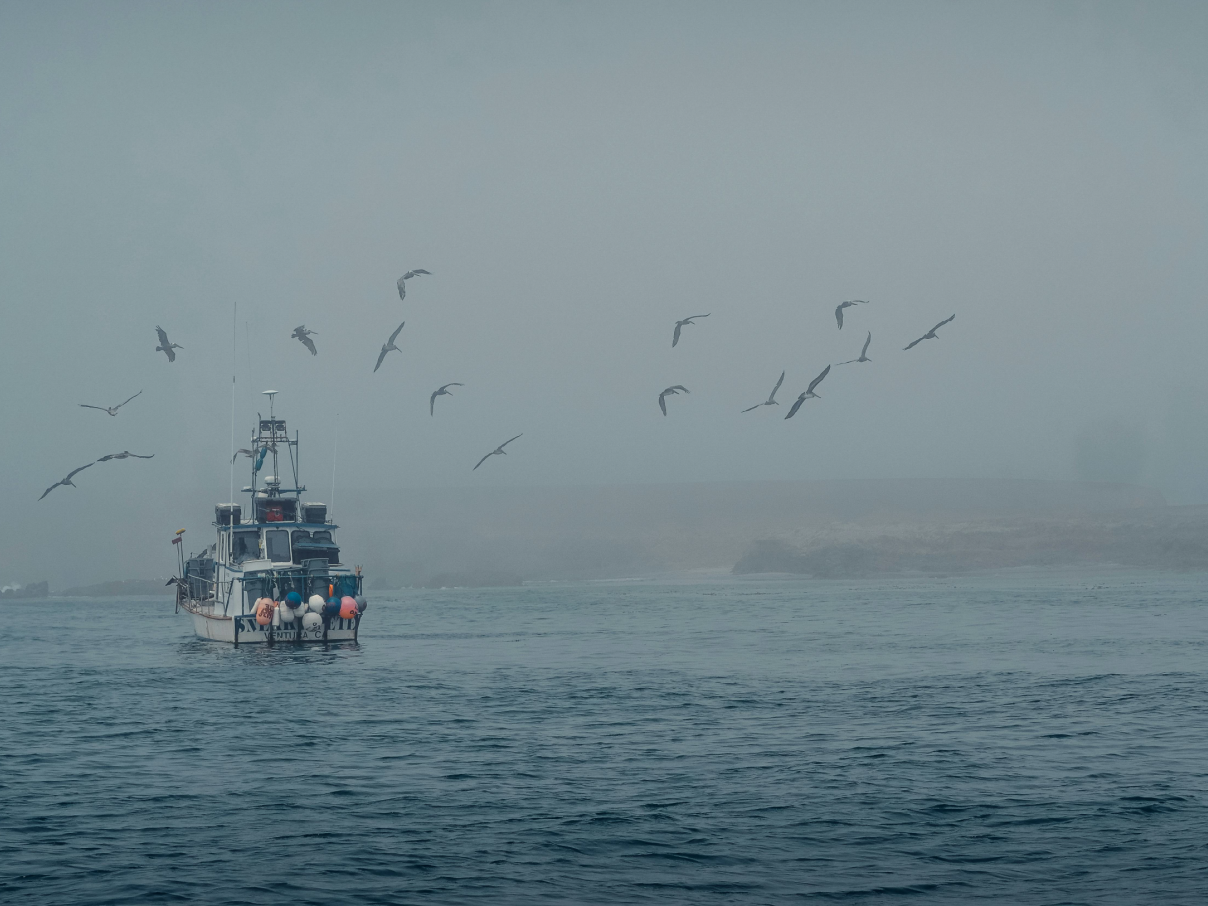
What effects could a sunken nuclear submarine have on marine life and fishing?
If a sunken nuclear submarine begins leaking onto the seabed, it could affect marine life in the immediate surroundings. Animals that live on or in the sea floor – such as shellfish, crabs, lobsters and seaweed – can absorb radioactive substances from the sand and sediment. Some substances, such as plutonium, remain in the environment for a long time and emit alpha radiation, causing organisms to be exposed to higher doses. Other substances, such as radiocaesium, dissolve more easily in water and disperse with the current, diluting them quickly. Large fish populations are generally at low risk, although fish living close to the wreck may contain higher concentrations.
For humans, the risk of radiation exposure is low because regulations ensure that only safe food is sold. Still, economic damage may occur, especially due to a loss of consumer confidence. Even if measured radiation remains below legal limits, consumers may be reluctant to buy fish from certain regions. This can lead to lower sales for fishermen and fish sellers, and sometimes to stricter controls and additional monitoring by the authorities. This shows that in nuclear incidents, not only human health matters, but confidence in food safety and local economies must also be guarded with care.
-
There are significant differences between the effects of the Fukushima incident and the impact of a sunken submarine: Fukushima dispersed large amounts of radioactivity over a vast area, whereas a submarine would release less radioactivity overall, and most of it would be concentrated locally around the wreck itself. Therefore, the main impact would likely be limited to the immediate surroundings. This would limit the risk to populations of marine organisms, though scientists and authorities would wish to monitor the exposure of local organisms very closely.

What does radioactivity do to people and nature and how do we mitigate risks?
At SCK CEN, we can use computer models to calculate what happens when radioactive substances are released into the air or water. We develop models and programmes that predict how these substances disperse in the wind or in currents, where they eventually end up and how plants, animals or humans might come into contact with them. By comparing these predictions with actual measurements from the air, from water or from food, we can estimate the potential impact on humans and the environment. This helps to determine where risks might arise and how best to manage them.
We also use this same expertise more broadly: our experts examine the radiolytic effects on the environment to support licensing procedures, decommissioning projects, sustainable waste management and site remediation and are on standby in the event of nuclear incidents such as Fukushima, Chernobyl or, potentially, these sunken nuclear submarines. By doing that, we help people understand the impact of radioactivity, mitigate risks and ensure safety.

How do we know if our food is truly safe?
Has radioactivity ended up in fish? And will that fish soon end up on your plate? Our experts closely monitor safety in that regard. As part of the FANC's Belgian radiological supervision programme, we carry out measurements on food, including in our Low-level Radioactivity Measurements (LRM) laboratories. If products from high-risk areas were to appear on the Belgian market, we would carry out additional checks. This is how we ensure that food with elevated levels of radioactivity does not end up in Belgian stores.


