
Are nuclear power plants prepared for forest fires?
From the High Fens to southern Europe, images of forest fires have regularly dominated the news over the past few months. But what do fires like these mean for nuclear power plants? Are nuclear sites prepared for such situations? This question was put to our experts from the ‘Crisis Management and Policy Support (CMD)’ team as part of their scientific support for the European Emergency Response Coordination Centre (ERCC).
The short answer? Yes, nuclear power plants and nuclear sites are prepared for a wide range of external events, including fires in the immediate vicinity. This is not achieved through a single measure, but through multiple layers of protection and technical safeguards that work together to ensure the safety of the installation.
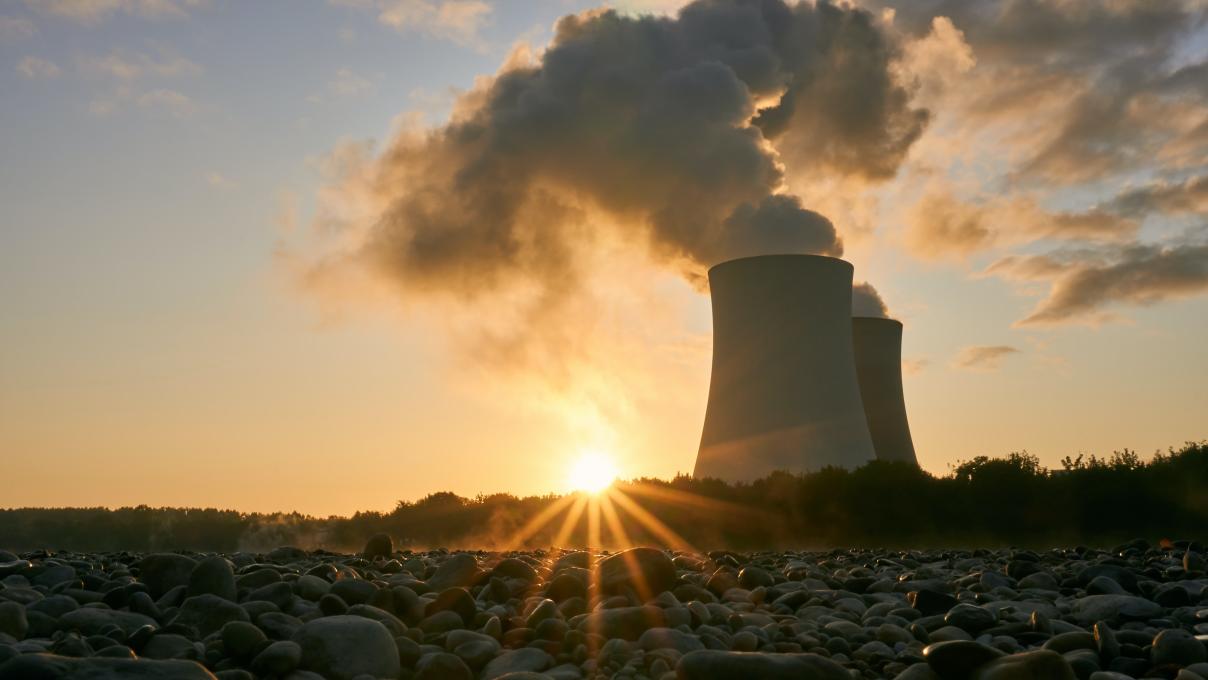
Identifying risks
A nuclear power plant is not designed solely considering what could happen inside it. External risks are also taken into account. This could include things like earthquakes, floods, extreme weather conditions and fires in the surrounding area.
In the event of a fire, factors such as how it might develop and spread, and the consequences it could have for the facility, are all assessed. The efficacy of fire-resistant barriers and the protection of key safety systems are also considered.
In Belgium, such periodic safety reviews take place every ten years. This involves checking whether the facility and the processes followed still comply with the applicable safety regulations, standards and international safety practices.
Multiple layers of protection
Protection starts outside the nuclear power plant itself. An area free of trees, bushes and other combustible material is maintained around the site. This makes it harder for a fire to reach important buildings.
Should a fire nevertheless continue to spread, various measures are in place to prevent the simultaneous compromising of key safety systems.
For example, buildings and installations are divided into separate compartments. Fire-resistant barriers help prevent a fire from spreading from one area to another.
Key systems required for the safe operation of nuclear facilities are deliberately separated from one another and have multiple redundancies. For example, safety-critical equipment is present in triplicate at the Belgian nuclear power plants in Doel and Tihange. This principle is known as redundancy: should one system fail, another is immediately ready to take over.
Diversification also plays a role. Backup systems can be based on different operating principles. This prevents the same problem or failure mechanism from affecting all systems at the same time.
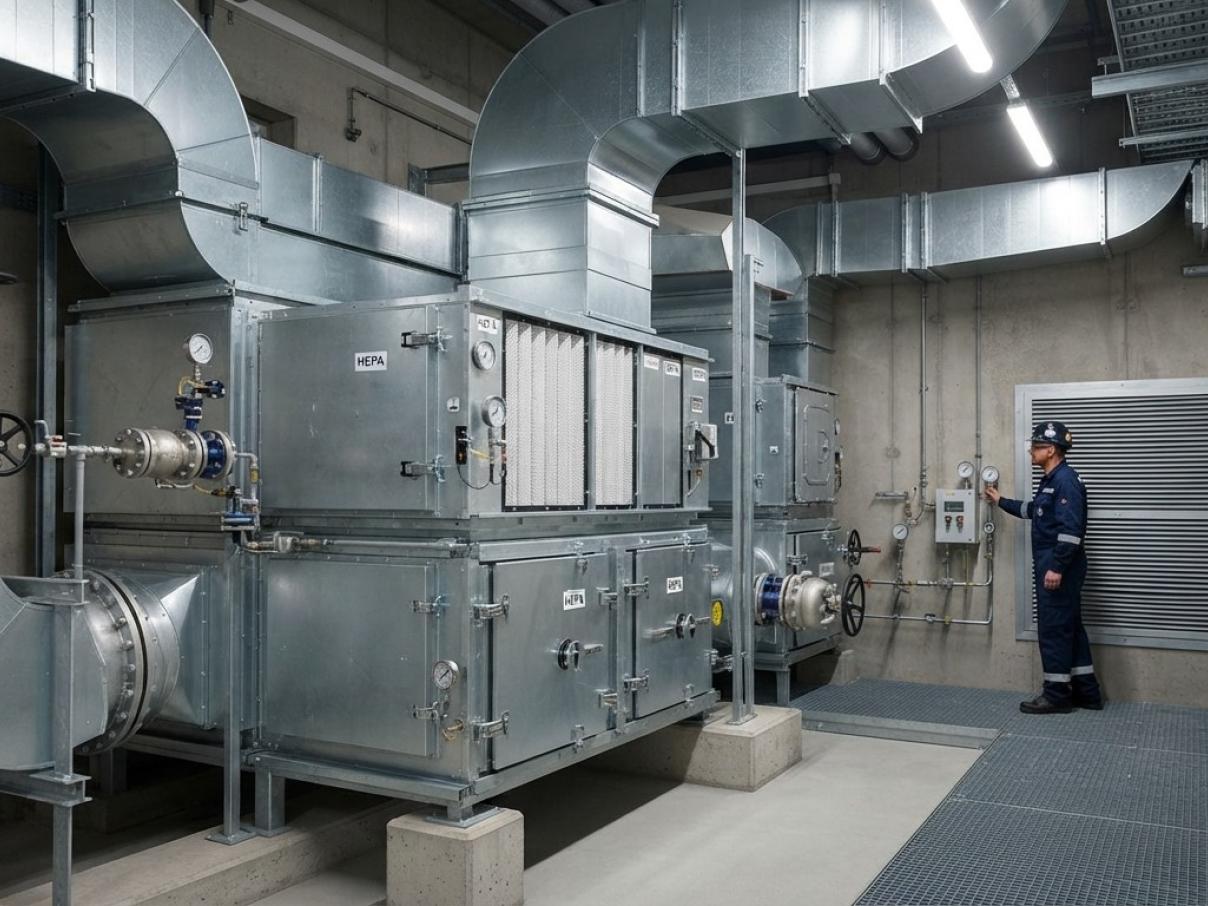
Also keeping out smoke and ashes
A forest fire brings more than just the danger of the flames. Smoke and ashes can also present serious risk when they enter key buildings.
That is why control rooms and other essential safety-critical buildings are fitted with filters that remove fine particles from the air. When necessary, air intakes can be closed automatically or the ventilation system can switch to internal air circulation.
This prevents smoke and ashes from interfering with crucial safety systems.
Together, these measures ensure that a single external event, such as a forest fire, cannot simply disable all safety functions simultaneously.
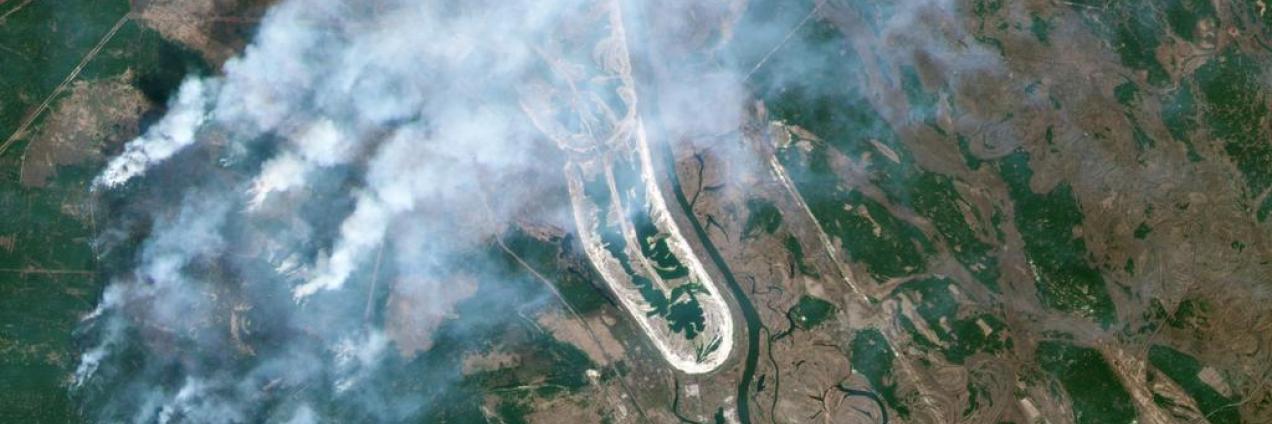
How our experts monitor forest fires in Chernobyl
Forest fires occur from time to time in the Chernobyl exclusion zone (the area surrounding the former nuclear power plant where restrictions have been in place since the 1986 accident). These fires are also monitored by CMD experts, who assess both the potential impact on nuclear facilities and the radioactivity that could be released back into the air as a result of a fire.
In this way, measurements and scientific expertise help to accurately assess the consequences of a fire.


