BR2 research reactor rejuvenated during production break
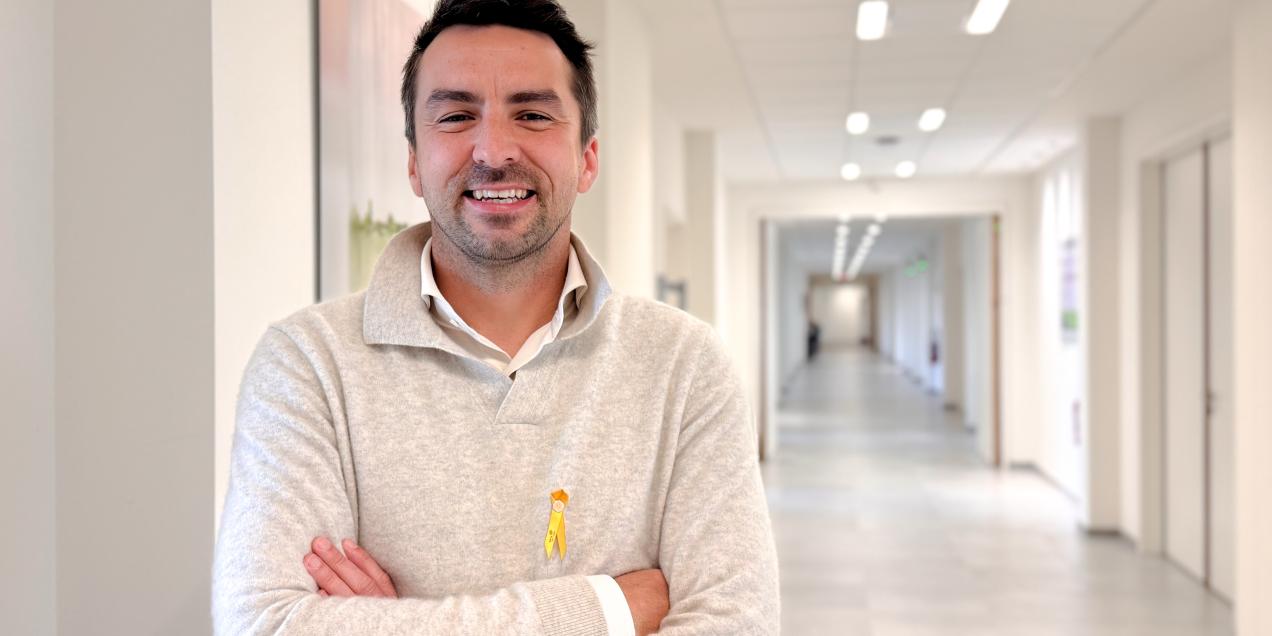
After nine weeks of intensive renovations, the nuclear research centre SCK CEN kept its word: its research reactor BR2 was restarted – as previously announced - on Tuesday 10 December. "This seventh reactor cycle is now complete, and we are proud to announce the total production figures for 2024. Last year, our production helped nearly 10 million patients," enthuses Steven Van Dyck, BR2 director at SCK CEN.
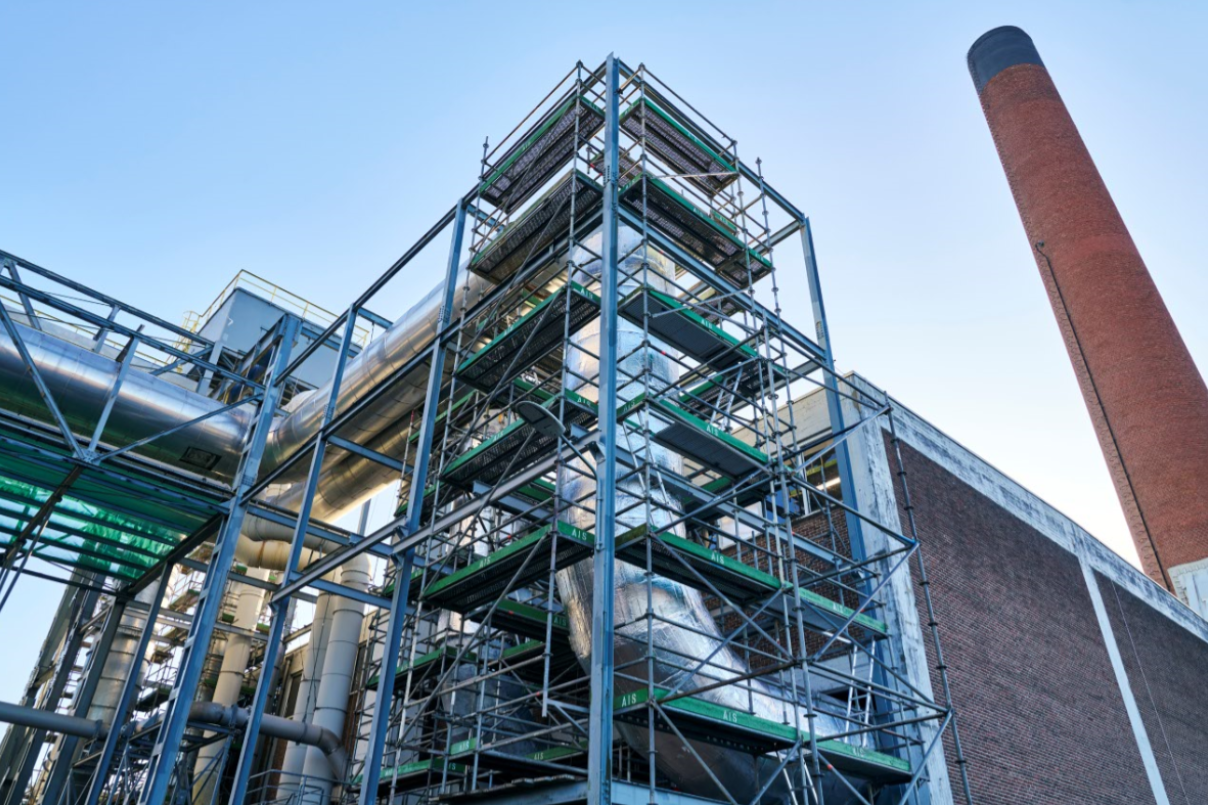
Millions of patients rely on the production of the nuclear research centre every year. "So we have a great responsibility. That's why we make every effort to ensure reliable delivery. And that means a strong focus on efficient and rigorous ageing management," confirms Steven Van Dyck. Ageing management aims to maintain and - where necessary - even increase the safety level of (research) reactors, despite the effects of ageing through use and the passage of time. In the process, the nuclear research centre SCK CEN does not simply swap reactor components: it also implements technical improvements.
"It's comparable to restoring a car. Not only is the timing belt changed, but we now use car seats with headrests and choose three-point seatbelts instead of the previously used two-point belts", he explains. According to Steven Van Dyck, reliability is the direct result of continuous efforts and targeted investments to modernise the installation.
Looking forward to 2036
For exactly this reason, the nuclear research centre SCK CEN implemented a production break from 11 October to 10 December. During this period, SCK CEN was preparing its BR2 research reactor for the future, on the technical front. Steven Van Dyck explains: “Every ten years, we need to prove that all of BR2's systems are functioning perfectly in line with the safety regulations. Preparations are in full swing for the safety evaluation to ensure operation until 2036. And I am convinced that it is feasible: on the one hand, thanks to the continuous maintenance of the research reactor and, on the other, thanks to additional modernisations, which we have now implemented.”
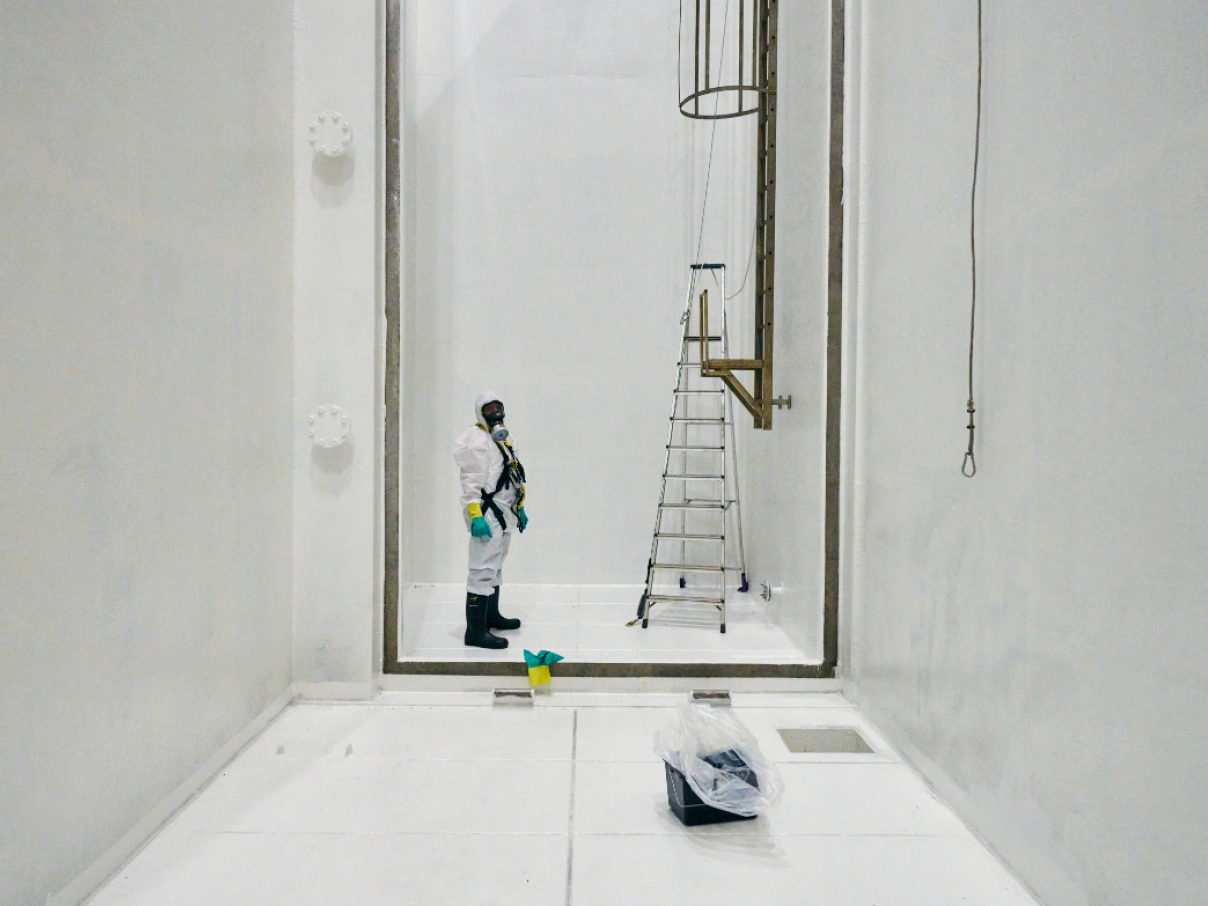
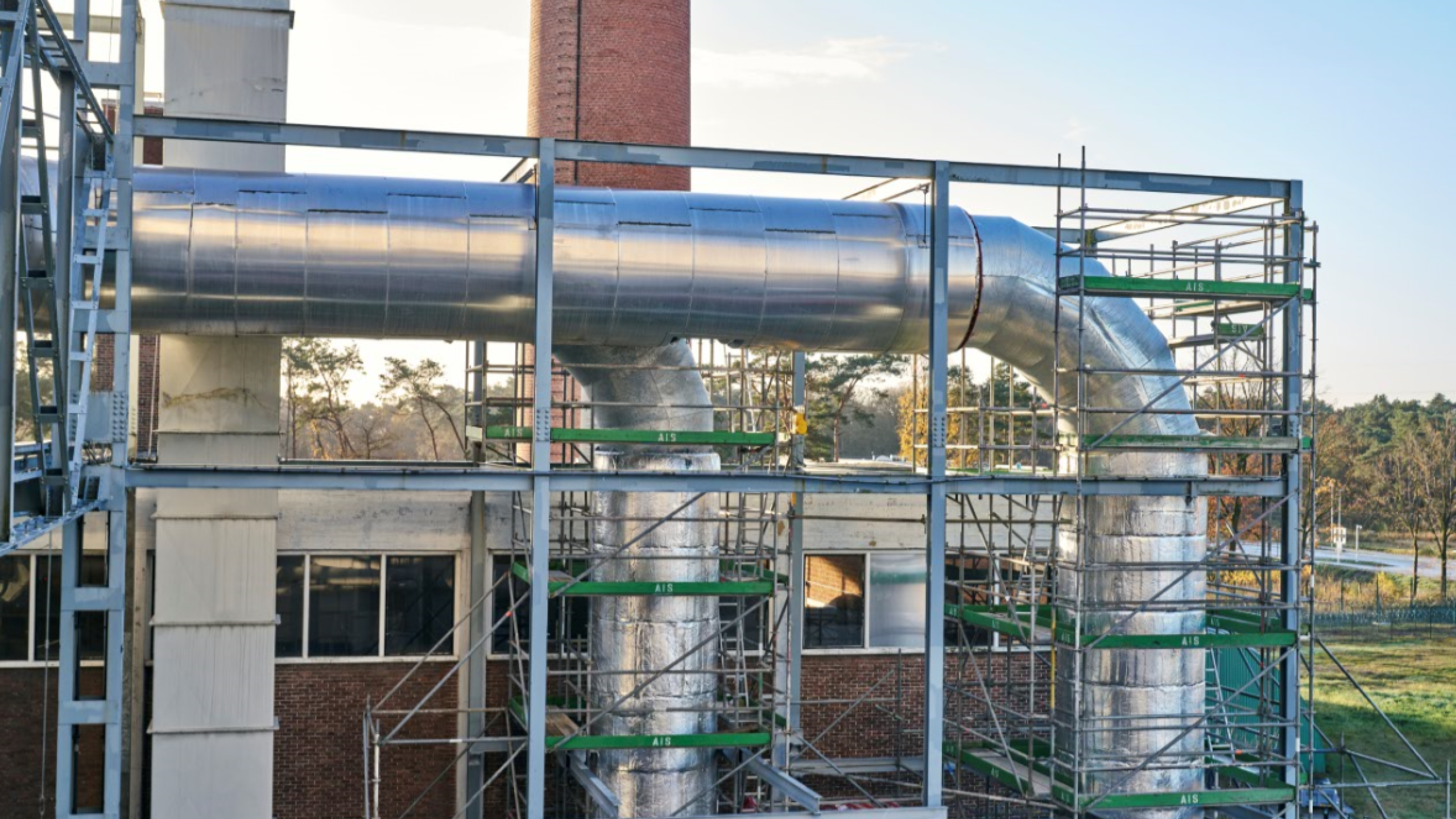
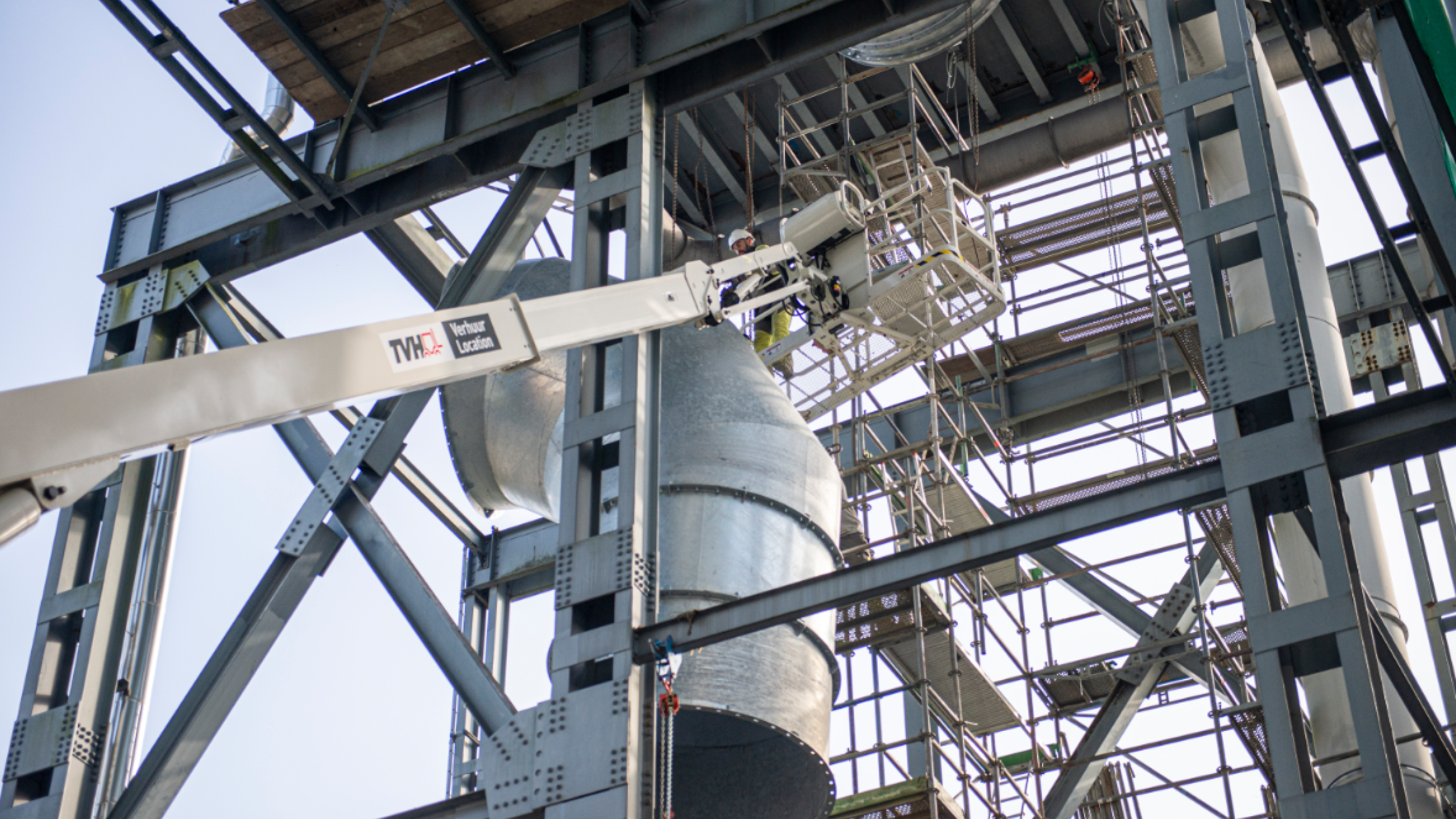
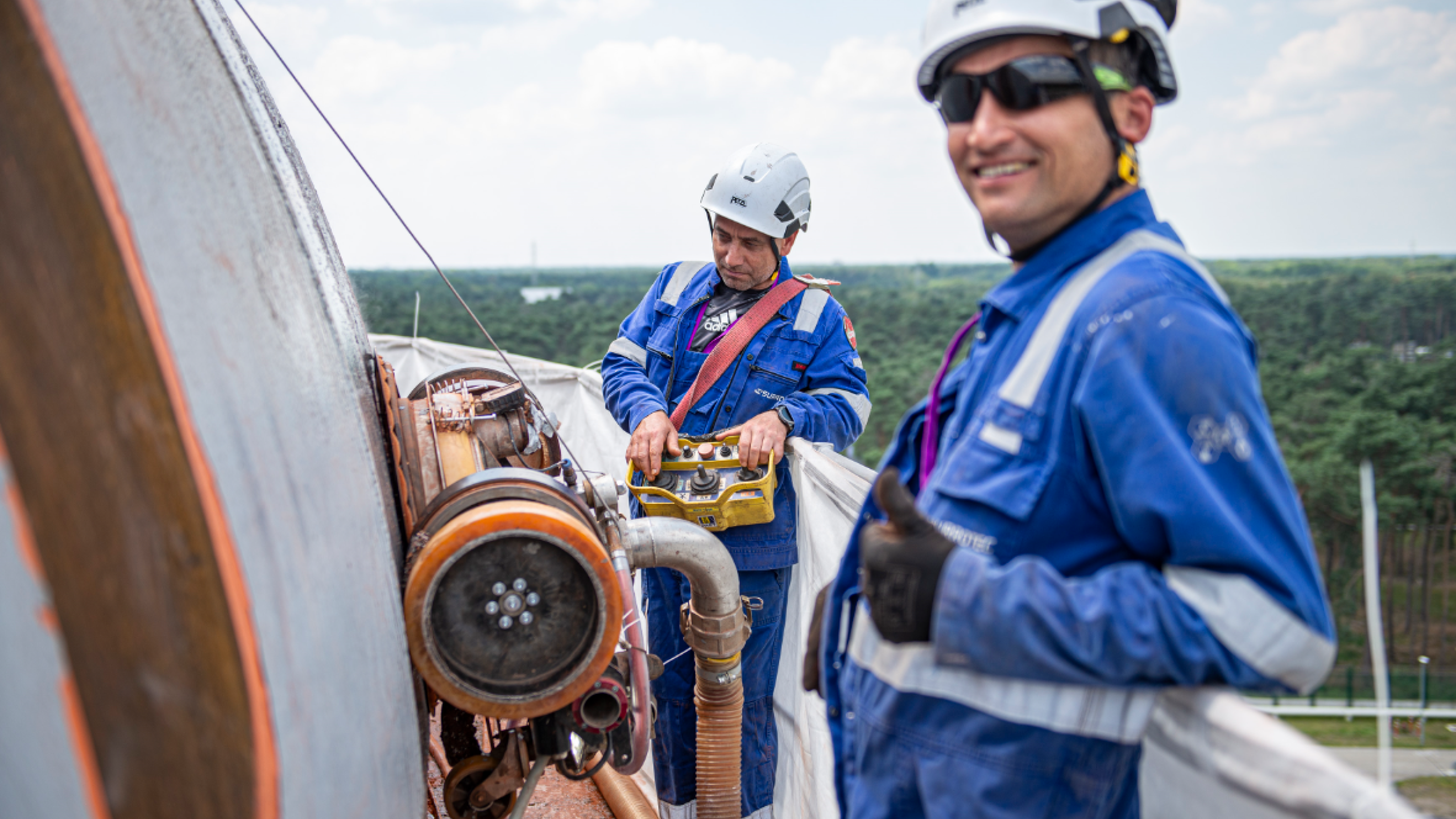
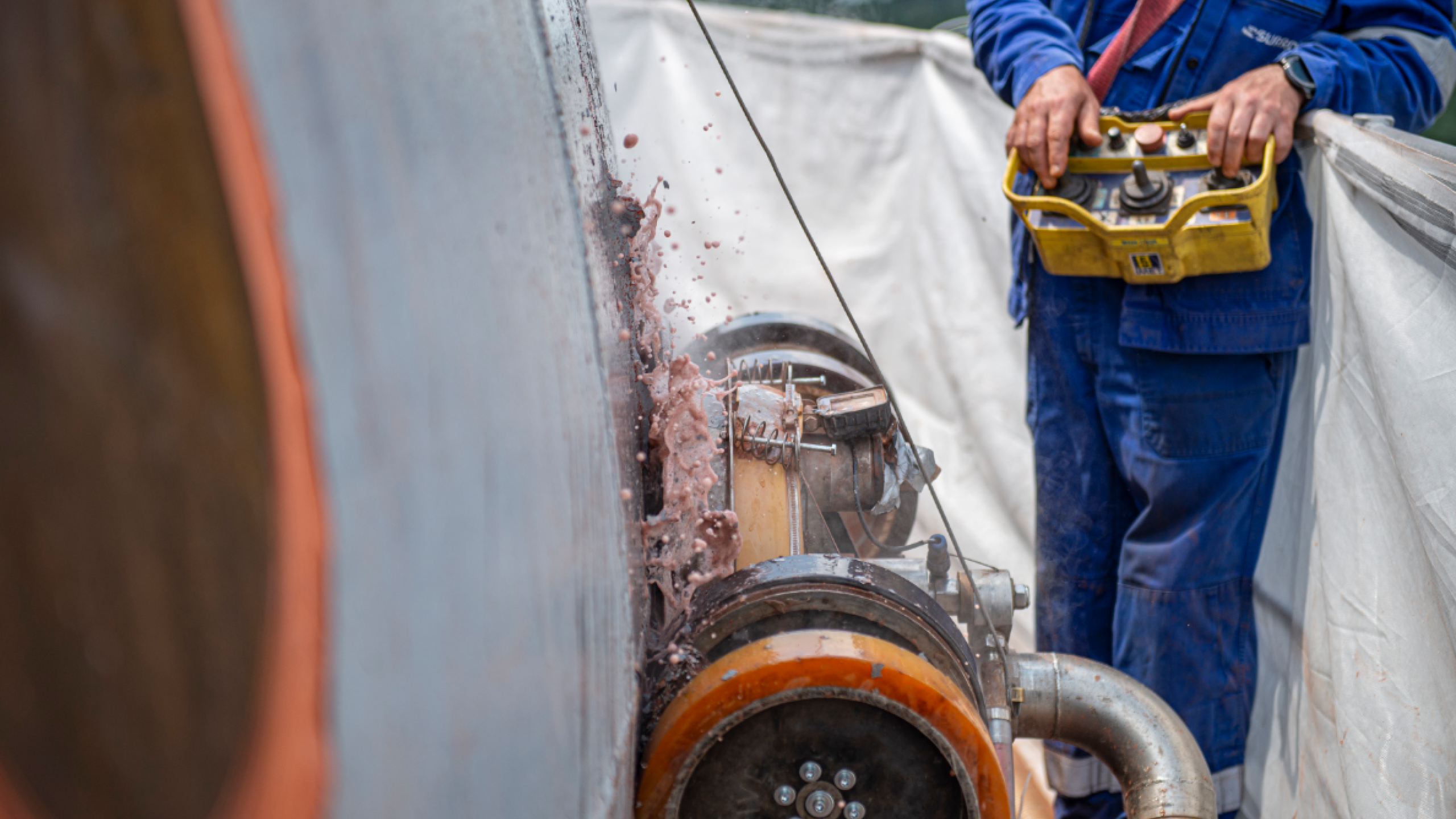
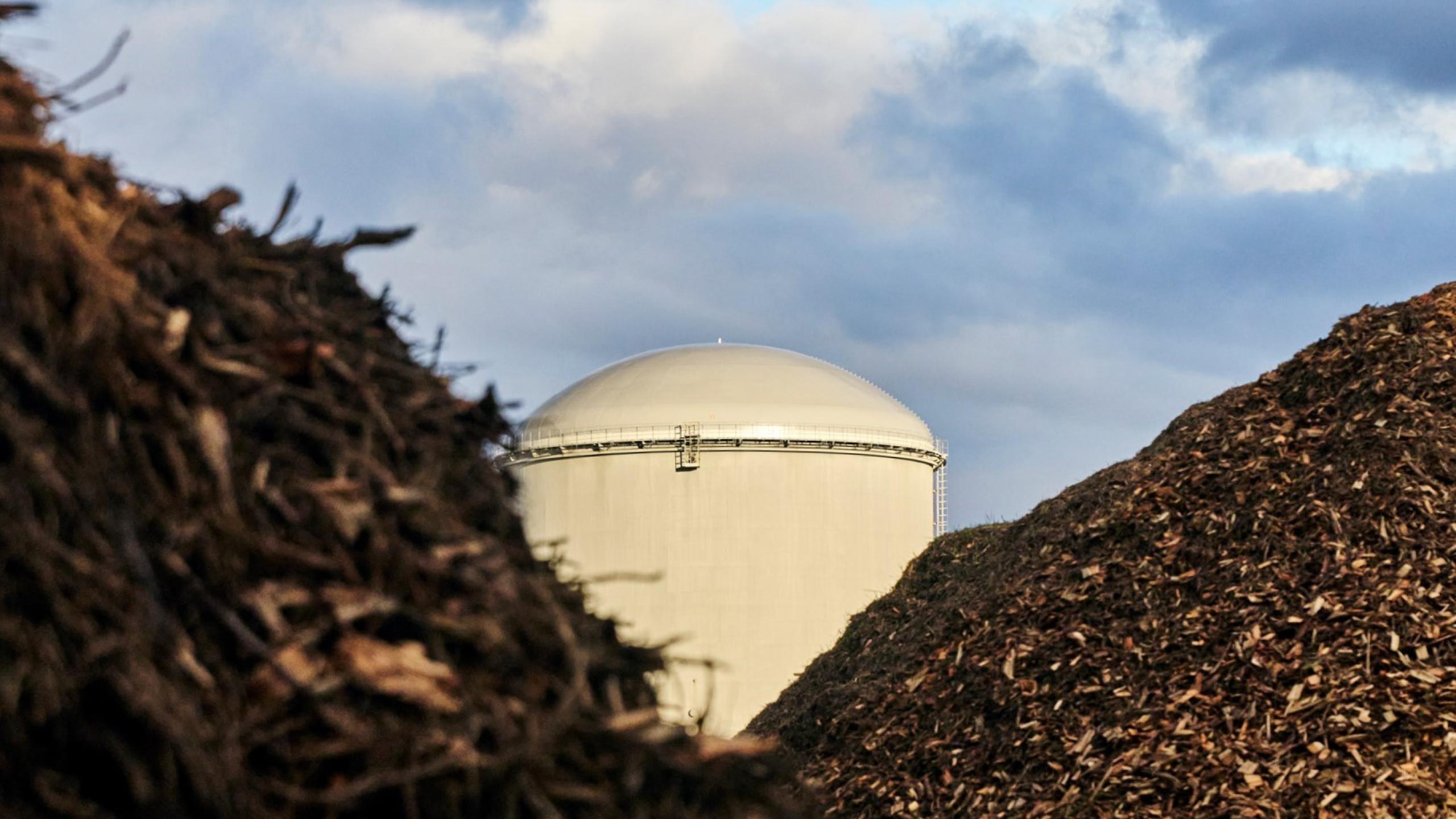
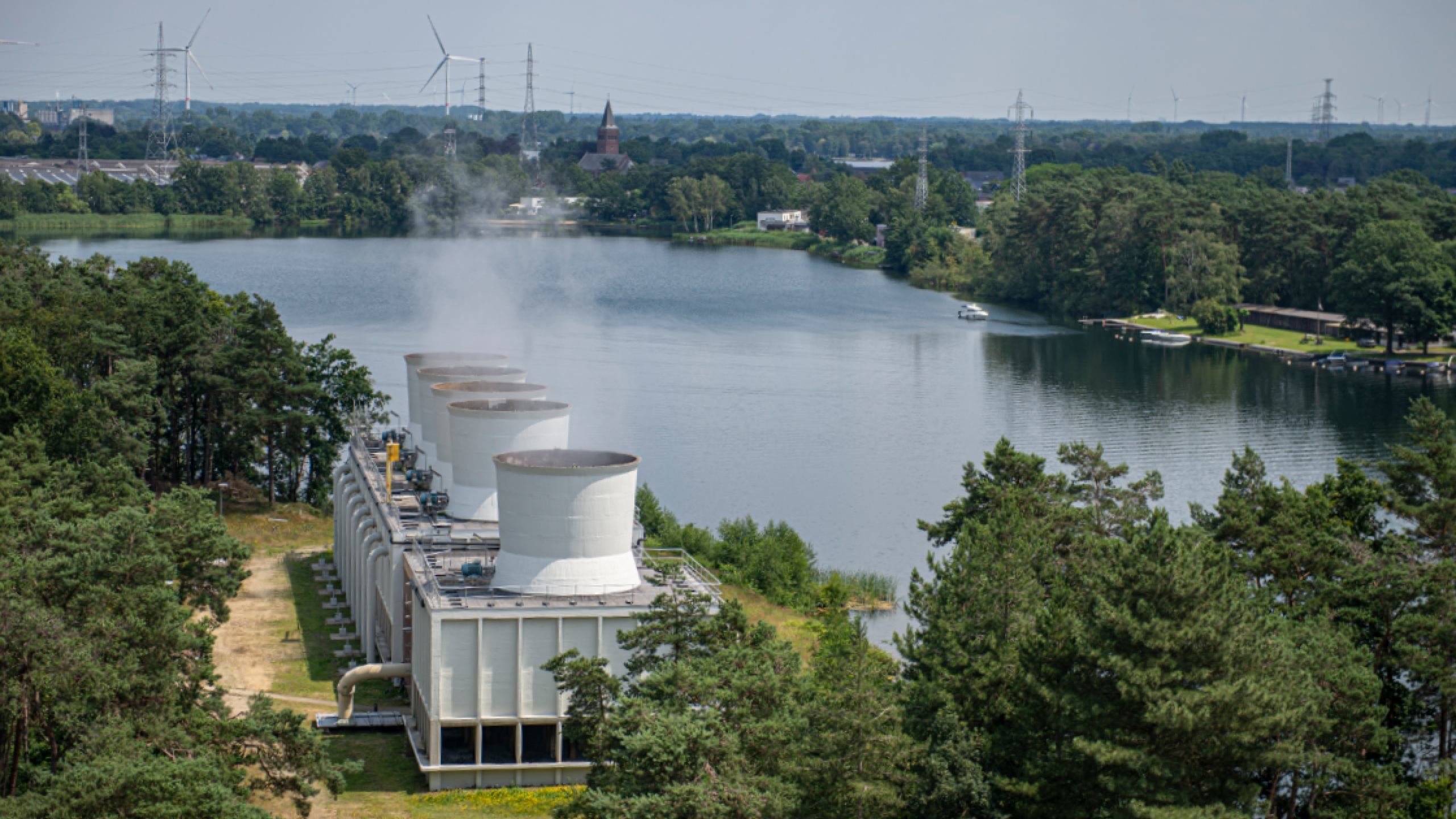
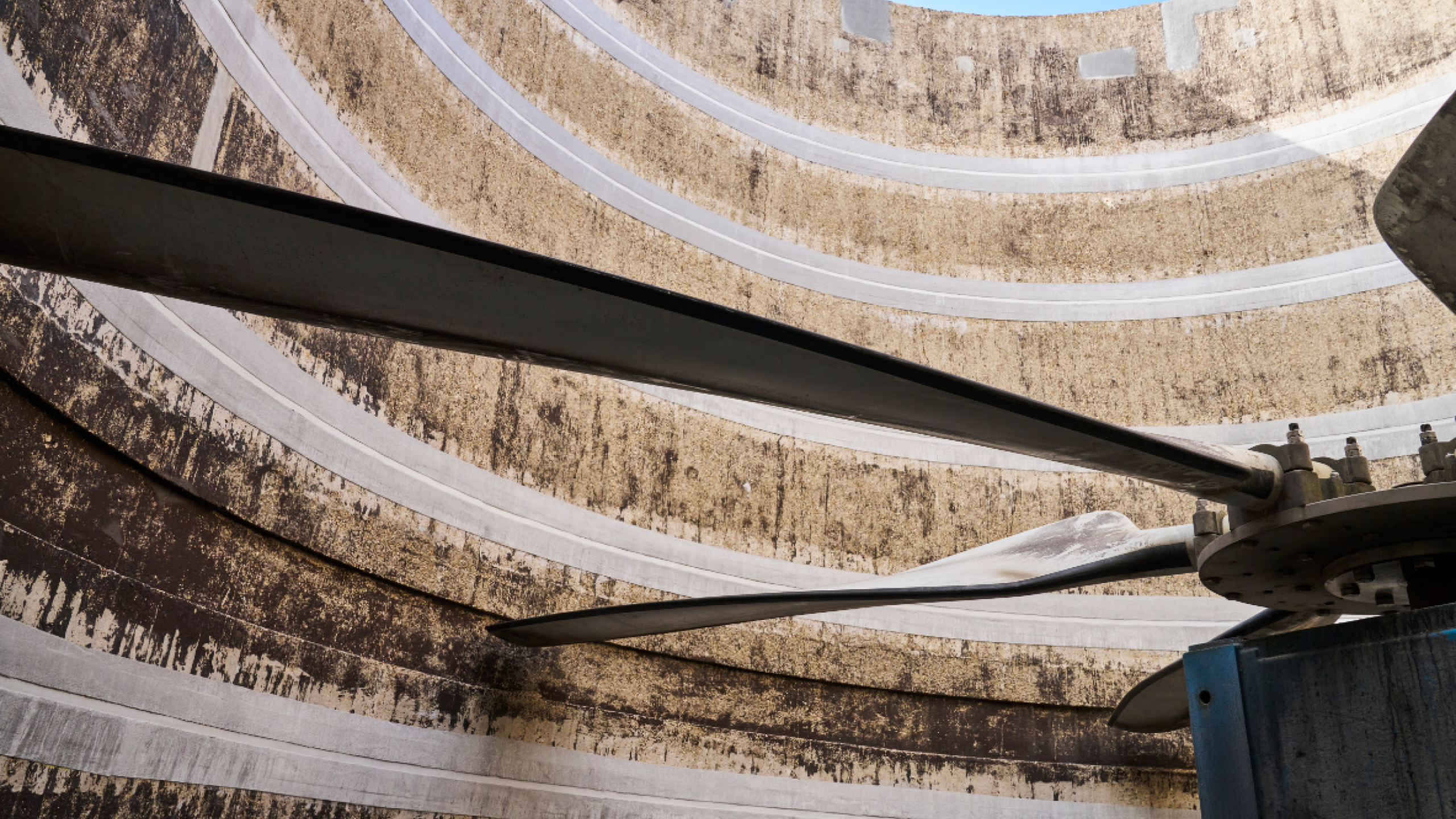
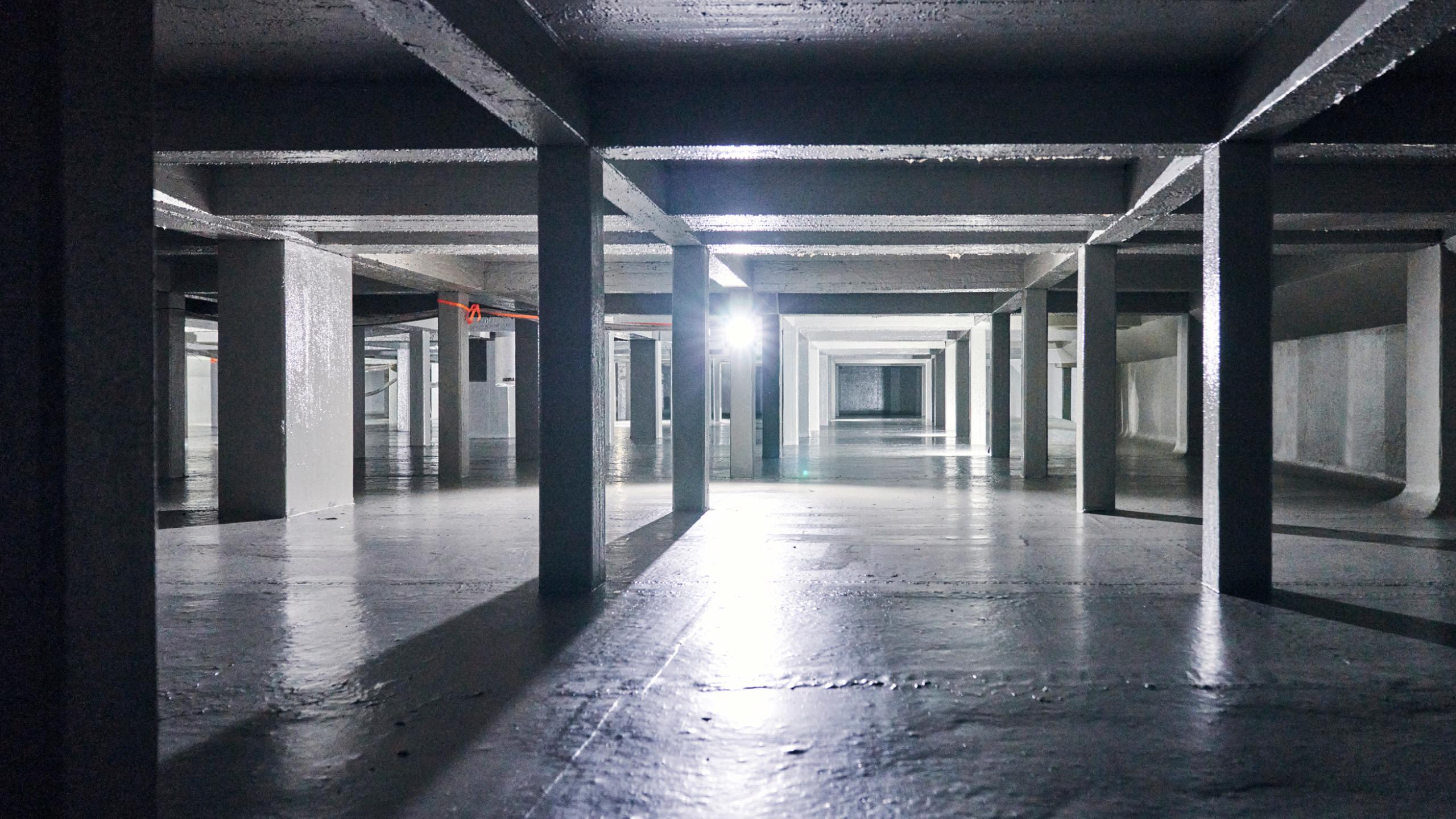
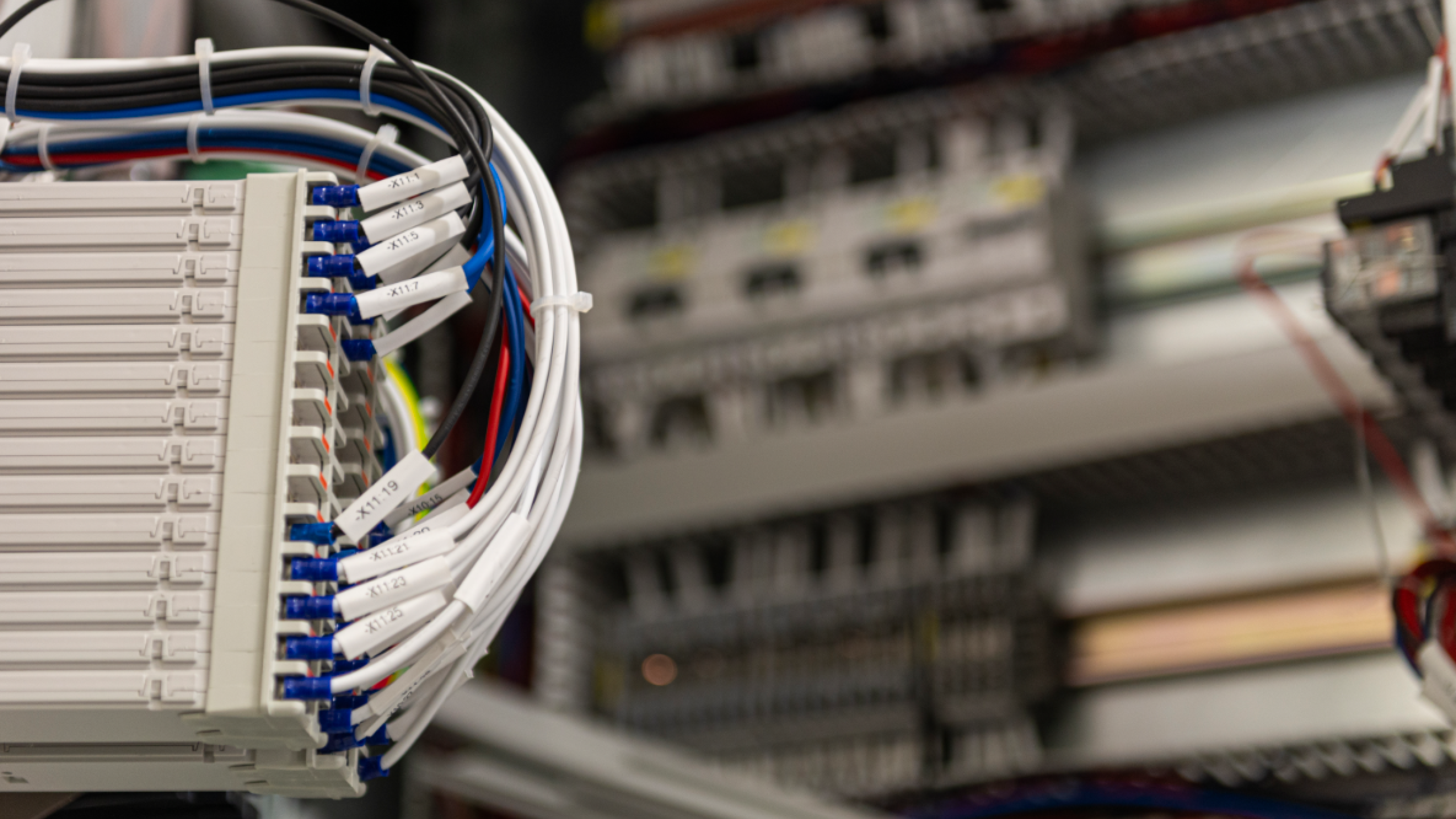
What exactly will be modernised? The ventilation pipes have been replaced, together with the electrical substations and controls. The 1000 m³ water tank has been given a new inner lining. SCK CEN collects demineralised water in this tank from the reactor channel or dock. The inner lining serves as a protective layer with two functions: preserving the integrity of the concrete and ensuring the quality of the demineralised water. The reactor channel was also painted earlier on, the cooling towers were renovated, the reactor dome was sprayed and a brand new hot cell was installed. “BR2 is more modern than ever,” concludes Steven Van Dyck.
Scroll and view the renovation in pictures [2023-present]
Next round of modernisation in 2025
It doesn't stop there. The nuclear research centre is planning the following renovations in 2025:
- SCK CEN will replace the last part of the ventilation pipes
- SCK CEN will further modernise the electricity
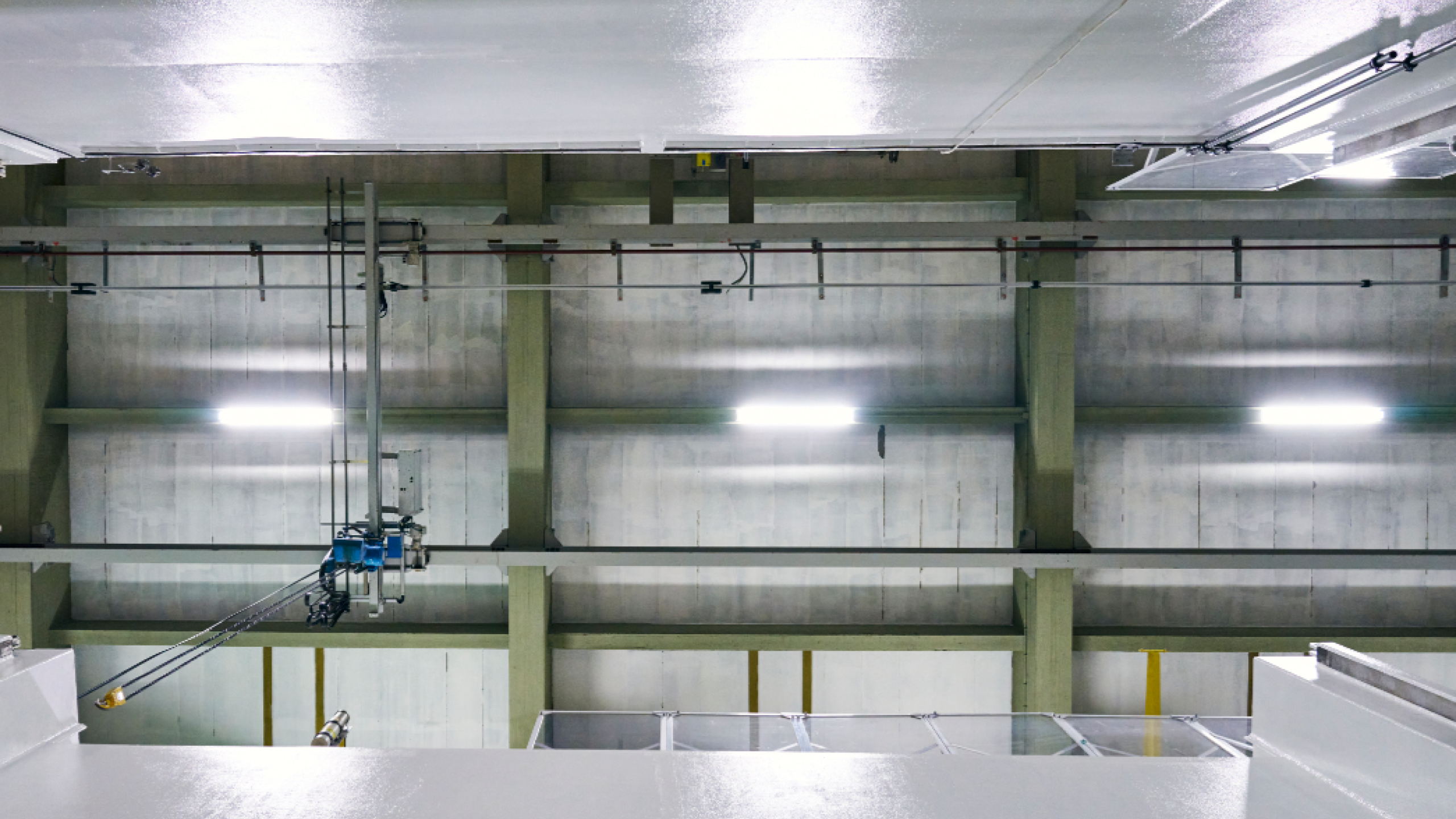
- SCK CEN is making all preparations to overhaul the existing cranes and install a second robust transfer system in 2026
Just as many patients helped as usual
Although the maintenance lasted nine weeks, the nuclear research centre SCK CEN was able to help just as many patients as usual. Indeed, the BR2 research reactor had the same amount of operational days as previous years - as agreed with the other producers. "The supply chain is in complete alignment. When one reactor goes into scheduled maintenance, the other one is operational. Unfortunately, technical problems prevented one of these reactors from starting up, and ongoing renovation work made it impossible for us to cover this unexpected outage. As a result, the medical profession did feel an impact ... That doesn't stop me from looking with full confidence to the future. Modernisations ensure long-term stability. They reduce the risk of unexpected, technical malfunctions and make uninterrupted operation more certain in the future," concludes Steven Van Dyck.
Typically, BR2 produces ten to fifteen different radioisotopes per operating cycle. Two radioisotopes take up the largest part of the production: molybdenum-99 and lutetium-177. Molybdenum-99 is the source of the major diagnostic radioisotope technetium-99m, which is used to detect cancer, heart disease and other illnesses. Lutetium-177 is a radioisotope used in the fight against prostate cancer and neuroendocrine tumours.