
40 years after Chernobyl – what needed to be improved: emergency planning and early notification
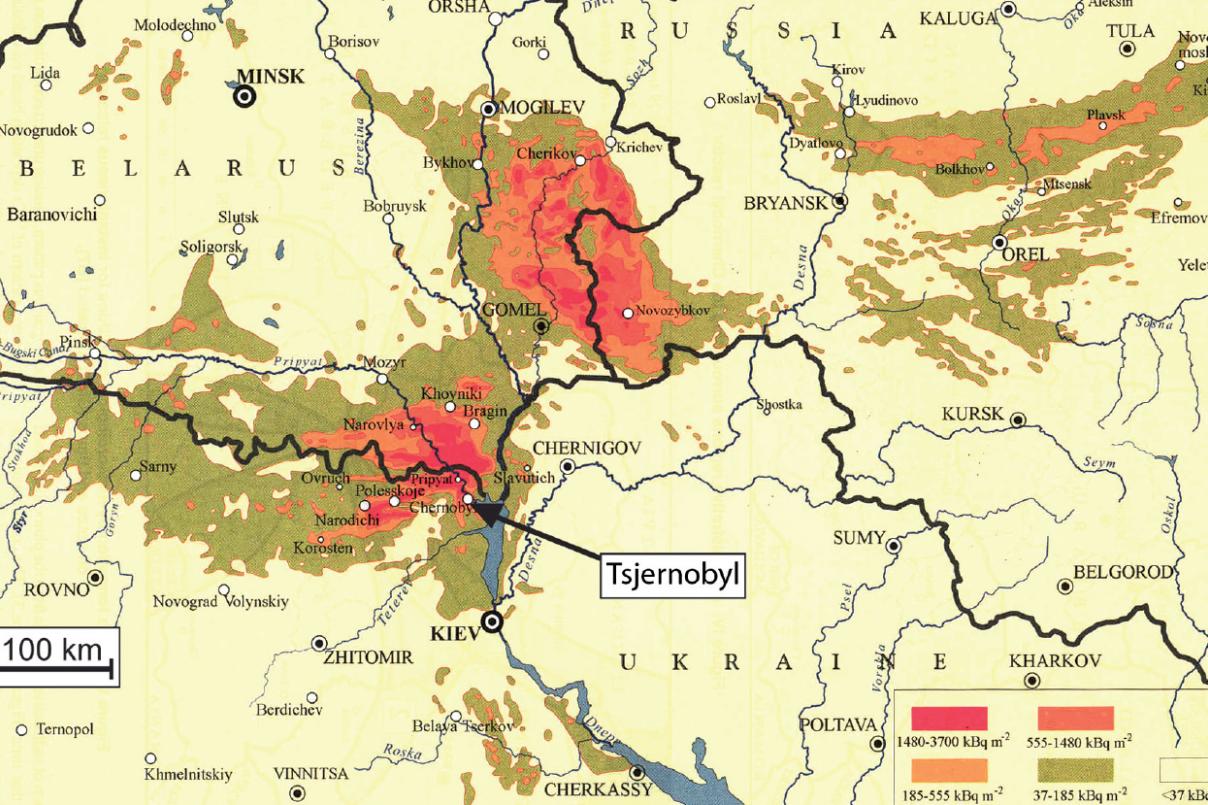
Following the accident at Chernobyl, there were important changes in the field of nuclear safety. It was evident that information exchange with neighbouring countries was not regulated; indeed, the rest of Europe only became aware of the disaster two days later when alert levels were detected on the soles of the shoes of staff at the Forsmark nuclear power plant in Sweden, more than 1,000 km from Chernobyl.
What was the impact on national and international emergency planning? How can we avoid similar situations in the future?
International conventions
The accident had a considerable impact on international nuclear safety policy. It prompted the IAEA to draw up two binding conventions:
- the Convention on Early Notification of a Nuclear Accident and
- the Convention on Assistance in the Case of a Nuclear Accident or Radiological Emergency
These conventions oblige all participating countries, including Belgium and our neighbouring countries, to immediately inform the IAEA in the event of a nuclear incident that could have cross-border consequences. The IAEA then shares this information with other affected countries.
The Convention on Assistance also contains provisions designed to ensure that requests for international assistance are processed quickly and with minimal administrative burden. Within the European Union, there are additional arrangements for exchanging information and countermeasures in the event of accidents with cross-border impacts. HERCA, the umbrella organisation for the European nuclear and radiation authorities (including the FANC), has worked on harmonising and inventorising these agreements within the EU.
At the time of the Chernobyl disaster, there were no clear European standards for permissible contamination levels in agricultural products. The result was divergent approaches between countries and even between Belgian regions. To avoid similar situations in future, the EU has set maximum permitted levels for food and animal feed following a nuclear incident. These limits vary depending on the product type, the intended use and the radionuclide involved.
Establishment of the FANC/AFCN
In the years following the disaster, it was obvious that Belgium needed a federal body, a regulator for the nuclear sector. The Federal Agency for Nuclear Control (FANC) was therefore established by law in 1994. FANC monitors all nuclear facilities and the safe use of ionising radiation in Belgium (whether for medical, industrial or energy production purposes).
Among other things, the FANC is responsible for establishing intervention reference levels for radiological emergencies. These reference levels determine the radiation levels at which protective measures are necessary to safeguard the population and the environment. In addition, the FANC is responsible for setting up exclusion zones in the event of a nuclear accident. These are zones where access is restricted or prohibited, to prevent exposure to ionising radiation and to ensure the safety of the population. It therefore plays an important role in emergency planning.
TToo tthhee wweebbssiittee ooff FFAANNCC ((DDuuttcchh,, FFrreenncchh aanndd GGeerrmmaann))
Belgian emergency plan
The radioactive cloud reached Belgium on 2 May 1986. By that time, it was already significantly diluted, but there was radionuclide deposition in places, albeit limited by the low rainfall that day, in particular iodine-131 and caesium-134 and -137.
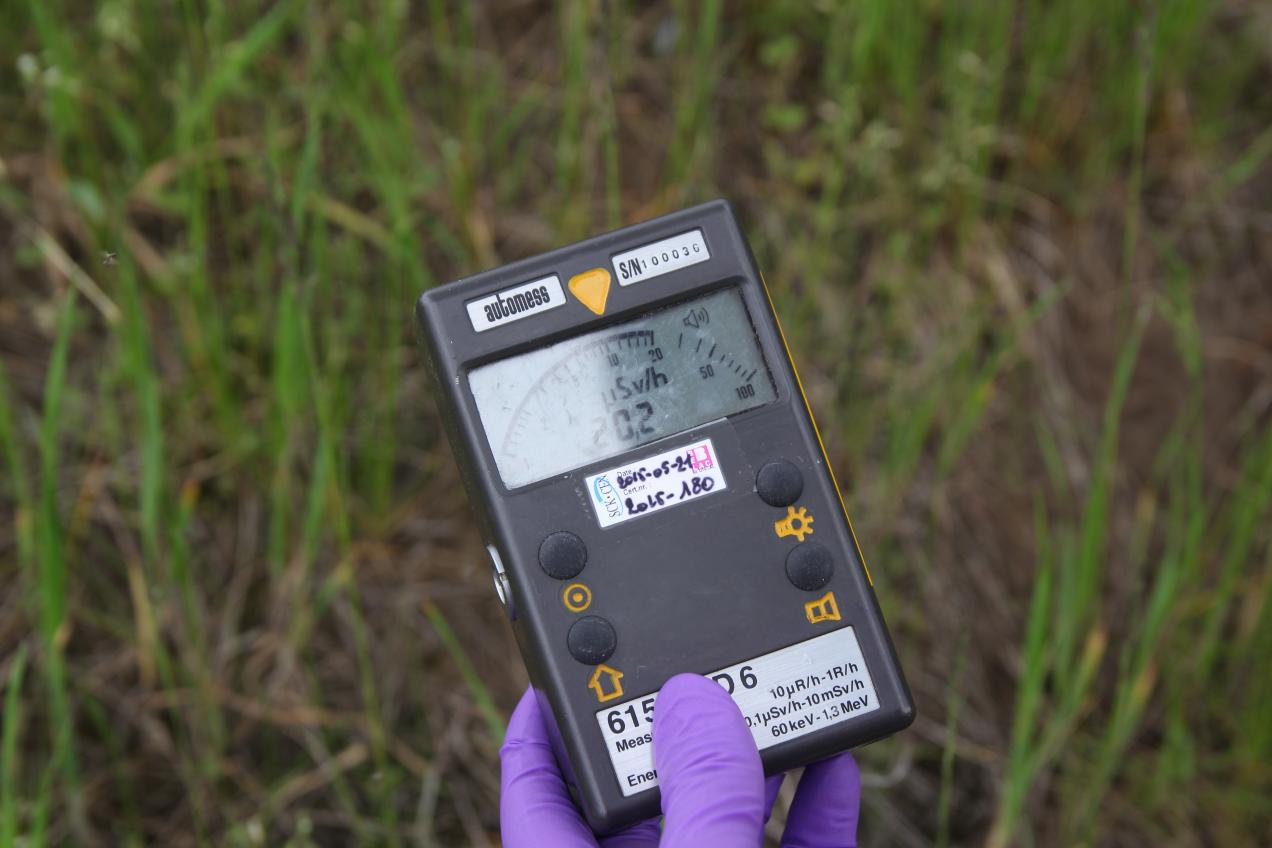
As the reference centre, SCK CEN immediately started measuring radioactivity in the air, water and soil through targeted sampling and analysis. But at the time there was still only a limited policy framework for assessing the impact of radioactivity on the population. The Ministry of Health was responsible for this in 1986.
RReeaadd mmoorree hheerree aabboouutt wwhhaatt wwee mmeeaassuurreedd aatt tthhee ttiimmee..
Protective measures for the population
Following the nuclear disaster and based on the measurements we took, various measures were implemented in Belgium. These were primarily aimed at limiting the intake of radioactive particles through food:
- advice to consumers to thoroughly wash vegetables;
- advice to farmers to keep livestock indoors temporarily to prevent milk contamination.
In addition, foodstuffs were systematically checked. The focus was primarily on leafy vegetables such as lettuce and spinach, but also on milk, meat and grass.
The trigger for a comprehensive nuclear emergency plan
The disaster was the direct trigger for the drafting of a comprehensive Belgian nuclear emergency plan. We have already referred to the establishment of the FANC. The further expansion of the national TELERAD monitoring network and mobile monitoring teams, which can carry out measurements and take samples throughout the country, are also an essential part of this emergency plan. SCK CEN makes a contribution in this regard with both expertise and operational support.
Read all about Belgian emergency planning and SCK CEN's role in it.
How Belgium prepares for nuclear incidents today
Emergency preparedness is tested several times a year through nuclear emergency exercises. SCK CEN is a key partner of the government in maintaining and further enhancing the nuclear emergency plan. This involves research and support regarding the spread of radioactivity in the atmosphere, developing effective measurement strategies, and preparing and integrating emergency procedures.
For example, SCK CEN recently made the JRODOS model available in collaboration with the Royal Meteorological Institute (KMI). This model makes it possible to map the spread of radioactivity in Belgium, assess the impact on the population and the environment, and evaluate the effect of potential countermeasures. In this way, SCK CEN makes a direct contribution to faster, better-informed and coordinated decision-making in the event of nuclear or radiological emergencies.
Read more about...
-

The accident
-
How we measure and what we know
-

Insights into reactor design