
4 40 years after Chernobyl – insights into reactor design
The nuclear disaster in Chernobyl made it painfully clear that reactor design plays a decisive role in nuclear safety. Since then, reactor concepts have evolved, safety requirements have been made more stringent and new designs have been developed where safety is central. In this overview, we explain how the RBMK design differs from the reactors in Belgium and demonstrate how safety is central to new reactor concepts today.
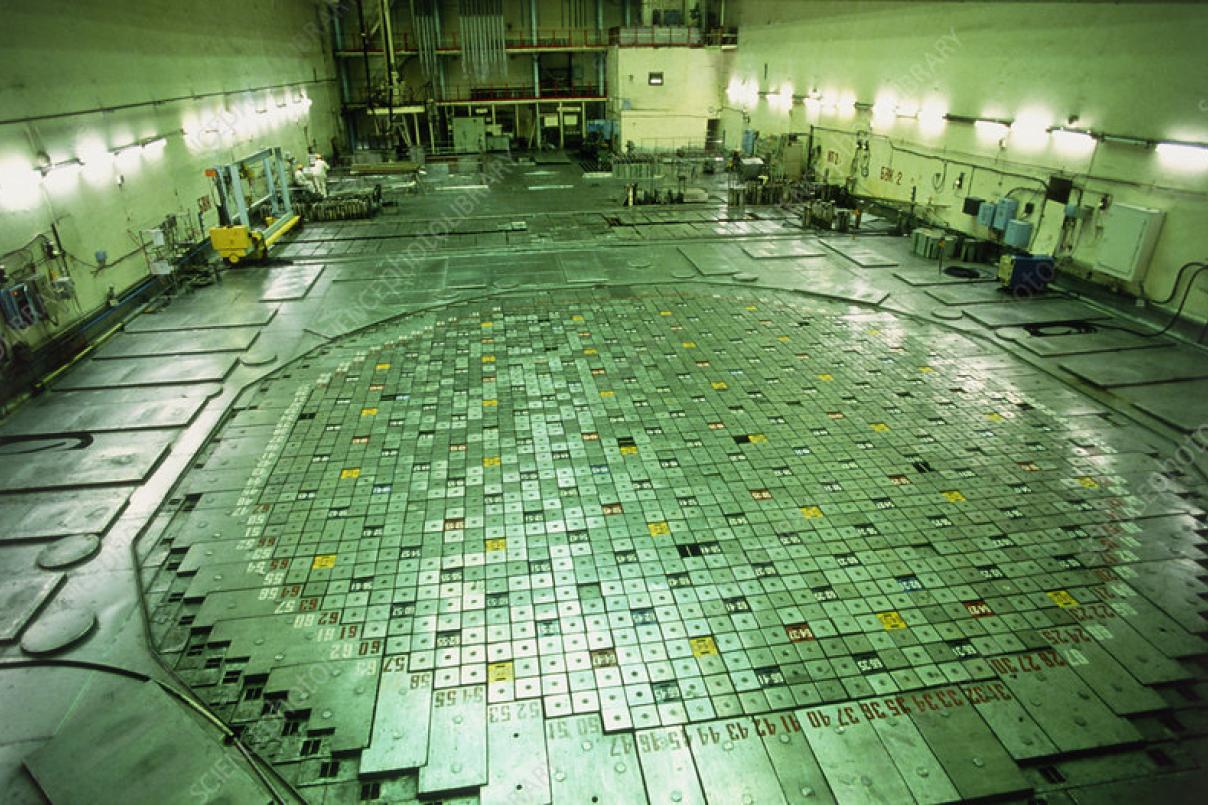
RBMK reactors in Chernobyl
The reactor that exploded in Chernobyl was an RBMK, a Soviet design from the 1960s and 1970s. It was one of only two reactor concepts that were built on a large scale in the Soviet Union at the time.
The RBMK reactor had several fundamental design flaws in terms of safety, and even when it was built did not meet current Western safety standards.
- Intrinsic instability
Under certain operating conditions, reactor power could increase as the coolant temperature rose, rather than decrease. This meant that temperature and power could reinforce each other (positive feedback), potentially leading to a dangerous escalation.
- Emergency shutdown: problems with the control rods
The control rods, intended to slow down the nuclear reaction, had a design flaw. In normal operation, they did what they were supposed to do: absorb neutrons and halt the chain reaction. But in the abnormal situation created by performing and temporarily stopping the turbine test, continuing to insert the rods had the opposite effect: it amplified the chain reaction.
- No fully enclosed containment building
RBMK reactors did not have a robust, fully enclosed reactor building capable of containing radioactive materials within the plant in the event of a serious accident.
Following the explosion, technical shortcomings in existing RBMKs were addressed. Moreover, the disaster led to much stricter international oversight, improved safety cultures and more transparency at nuclear facilities around the world. A few RBMK reactors are still in operation in Russia today.
Belgian nuclear power plants: PWRs
Belgium's reactors are PWRs (Pressurised Water Reactors). This reactor type is the most commonly used around the world.
PWRs are based on a fundamentally different safety philosophy to that of the Soviet reactors. Safety is not an additional system, it is built into the physics of the reactor and the way it is operated. Key characteristics include:
- Intrinsic stability
In a pressurised water reactor, a rise in the temperature of the fuel and the coolant automatically causes a drop in reactor power. Temperature and power therefore counteract each other, causing the reactor to slow itself down.
- Reliable emergency shutdown with backup
In a PWR, the control rods ensure reduced power during an emergency shutdown, both immediately and across the entire core. The nuclear reaction can therefore be brought to a complete halt within a few seconds.
In addition, the PWR has a robust backup system: borated water (water containing a high concentration of boric acid) can be injected into the reactor. Boron absorbs neutrons and also chemically slows down the nuclear reaction, independently of the control rods. This provides an extra layer of safety in exceptional scenarios.
- Multiple safety barriers
PWR reactors are housed in a robust containment building with multiple physical barriers. These ensure that radioactive substances cannot be released into the environment, even in the event of a serious incident.
A nuclear reactor has three safety functions. In other words: to operate safely, a nuclear reactor must continually guarantee three things.
- Controlling the chain reaction: keeping the fission reaction stable or halting it when necessary.
- Removing heat: even after the reactor has been shut down, heat continues to be released and must be continuously removed
- Confinement: preventing radioactive substances from escaping into the surroundings
To guarantee these safety functions under all circumstances, the most important safety systems are specifically provided in multiple instances. Usually three times. This is called redundancy: if one system fails, another is immediately ready to take over. Moreover, these backup systems are often based on different operating principles. This means they do not all react in the same way to a problem.
Impact on the Belgian nuclear landscape
The Chernobyl nuclear disaster also marked a significant turning point for Belgium. The accident highlighted the urgent need for independent oversight and led to the establishment of the Federal Agency for Nuclear Control (FANC). In 1988, our country also set up the National Crisis Centre (NCCN), responsible for coordinating emergency situations, including nuclear incidents.
Read more about emergency planning, regulation and oversight in Belgium.
Subsequent accidents, such as Fukushima, further intensified this focus on safety. They resulted in additional safety analyses and the introduction of stress tests: systematic safety tests designed to verify whether a nuclear power plant continues to operate safely even under extreme and unlikely circumstances — such as serious natural disasters, prolonged power outages or loss of cooling.
More on stress tests in the wake of Fukushima.
Chernobyl significantly slowed the growth of nuclear energy, both nationally and internationally. It led to a decline in trust on the part of the public, prompting many countries to pause or halt their nuclear programmes. In Belgium too, the accident strengthened calls for a Belgian nuclear phase-out. The perception of nuclear energy shifted from a ‘cheap, safe energy solution’ to a ‘source of potential catastrophe’. The debate over the risks of nuclear energy flared up and ultimately led to Belgium’s nuclear phase-out in 2003, which called into question extending the lifespan of the existing power stations at Doel and Tihange, and prohibited the construction of new nuclear power plants.
More than 20 years later, in 2025, Belgium amended this law once again. The most recent reactors (Doel 4 and Tihange 3) could stay operational for longer, and the ban on new nuclear activities was lifted. This also paved the way for new nuclear reactors, such as small modular reactors (SMRs).
Research into new reactors: the role of SCK CEN
The revision of Belgium’s nuclear phase-out in 2025 marked a clear change of course. Whereas nuclear energy was being phased out for many years, there is now renewed scope for nuclear innovation.
In this context, Small Modular Reactors (SMRs) are attracting increasing attention: smaller, modular nuclear reactors that can be built in series, are flexible in their use, and with a strong focus on so-called passive safety systems right from the design phase. This means that, in emergency situations, the reactor can dissipate residual heat without an external power supply or active intervention. These systems utilise the gravity of the coolant.
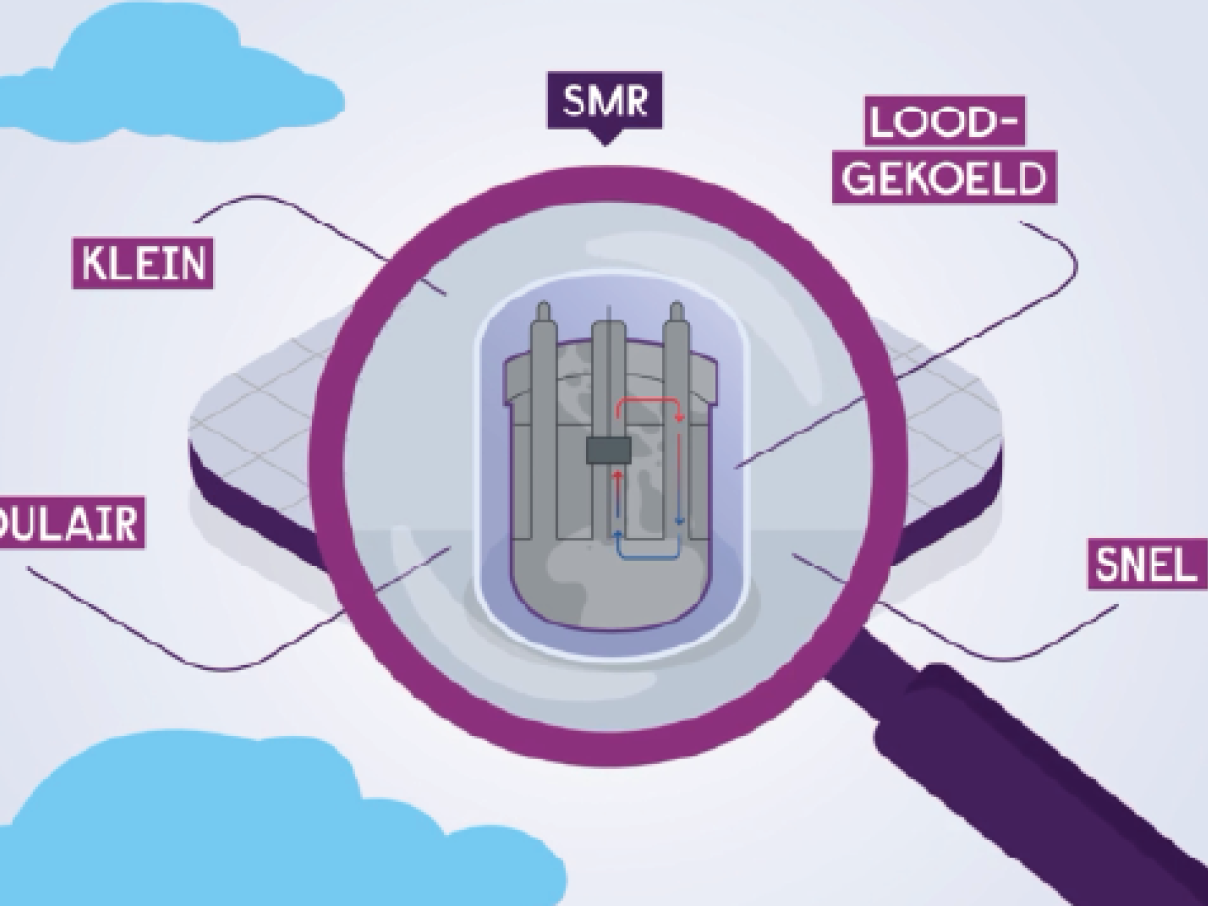
Lead cooling for extra safety and sustainability
At the request of the Belgian government, SCK CEN is specifically focusing on the development of a lead-cooled, fast SMR. Together with a strong, international consortium, we are aiming to build a Belgian demonstrator model of the very first lead-cooled Small Modular Reactor – LEANDREA – by 2034.
Passive safety also plays a key role in this design, and the choice of liquid lead as a coolant promises even more safety. As lead only boils at very high temperatures, the reactor can operate at low, near-atmospheric pressure. Unlike water-cooled reactors, it is therefore not necessary to increase the pressure to reach high temperatures. This eliminates the risk of pressure loss incidents.
Furthermore, by using lead as a coolant, the neutrons stay ‘fast’. A fast reactor extracts more energy from the same amount of fuel. It can use the uranium fuel more efficiently and produces less highly radioactive waste per unit of electrical energy
EAGLES: building lead-cooled SMRs for Europe
The LEANDREA Technology Demonstrator is part of the international EAGLES programme, a collaboration with Ansaldo Nucleare, ENEA and RATEN. Within this programme, the partners pool their know-how and experience with one clear ambition: to develop innovative, lead-cooled SMRs that help ensure a sustainable and safe energy supply for Europe.
The goal? The commercial roll-out of EAGLES-300: a lead-cooled small modular reactor with a capacity of 300 MWe, planned for 2039.
FFiinndd oouutt mmoorree aabboouutt tthhee EEAAGGLLEESS pprrooggrraammmmee hheerree..
Read more about...
-

The accident
-
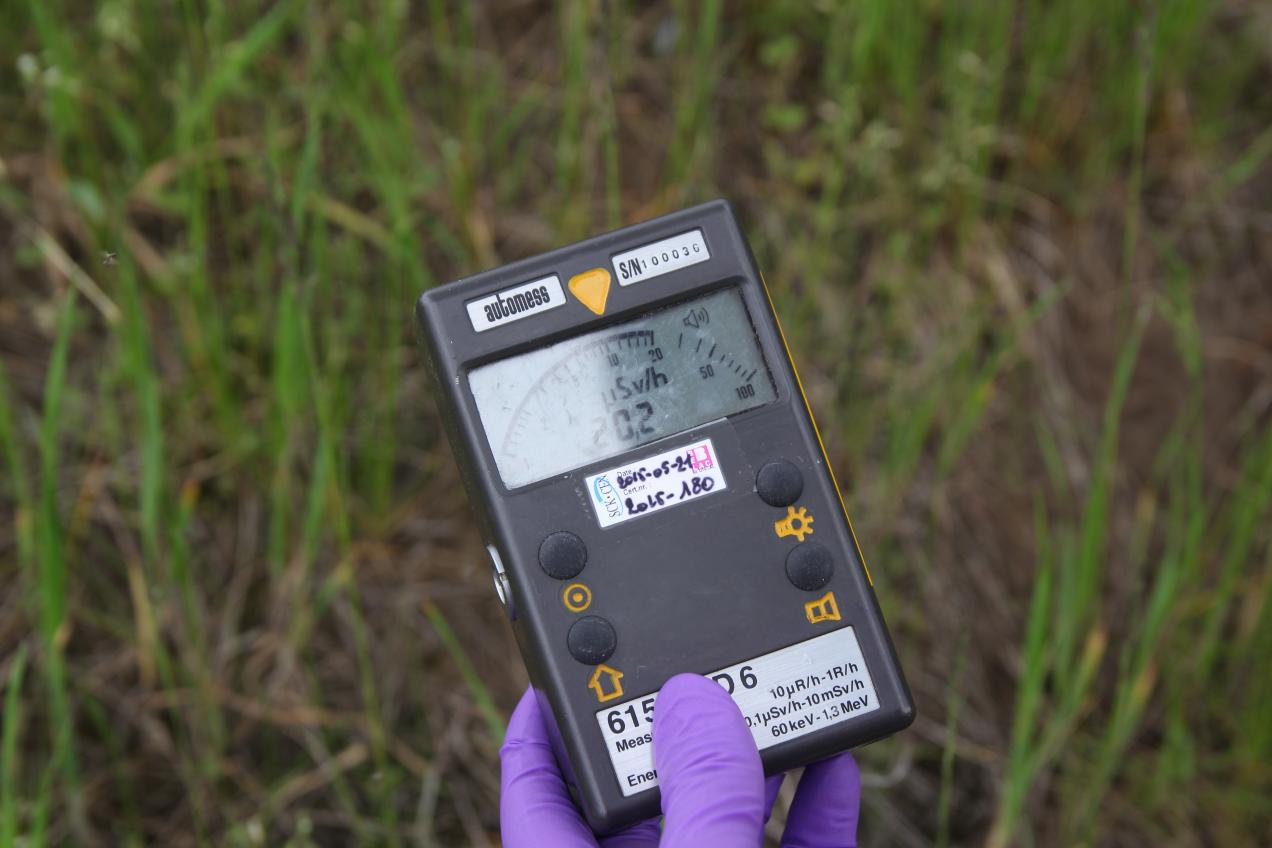
How we measure and what we know
-

Emergency planning and notification