
2 40 years after Chernobyl – how we measure and what we know
SCK CEN specialises in measuring radioactivity. We also have experts who can investigate and calculate the impact of radiation doses on people and the environment. We have been conducting meticulous, long-term monitoring in this way for decades.
The radioactive cloud that drifted over Europe at the time contained radionuclides that are still measurable today. Both then and now, our specialists have analysed the quantities and the exact impact of this radioactivity. In addition, we have travelled to the region around the exploded nuclear reactor on several occasions to carry out field campaigns.
Measurements in 1986
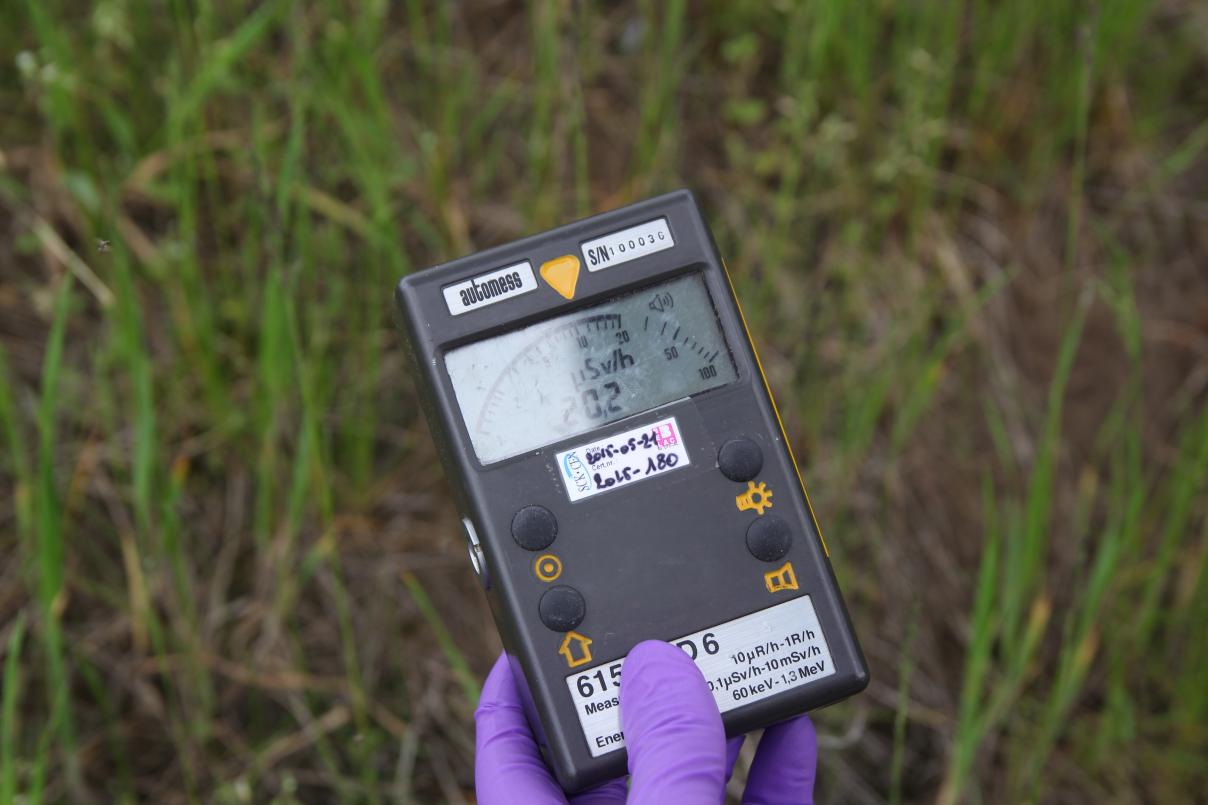
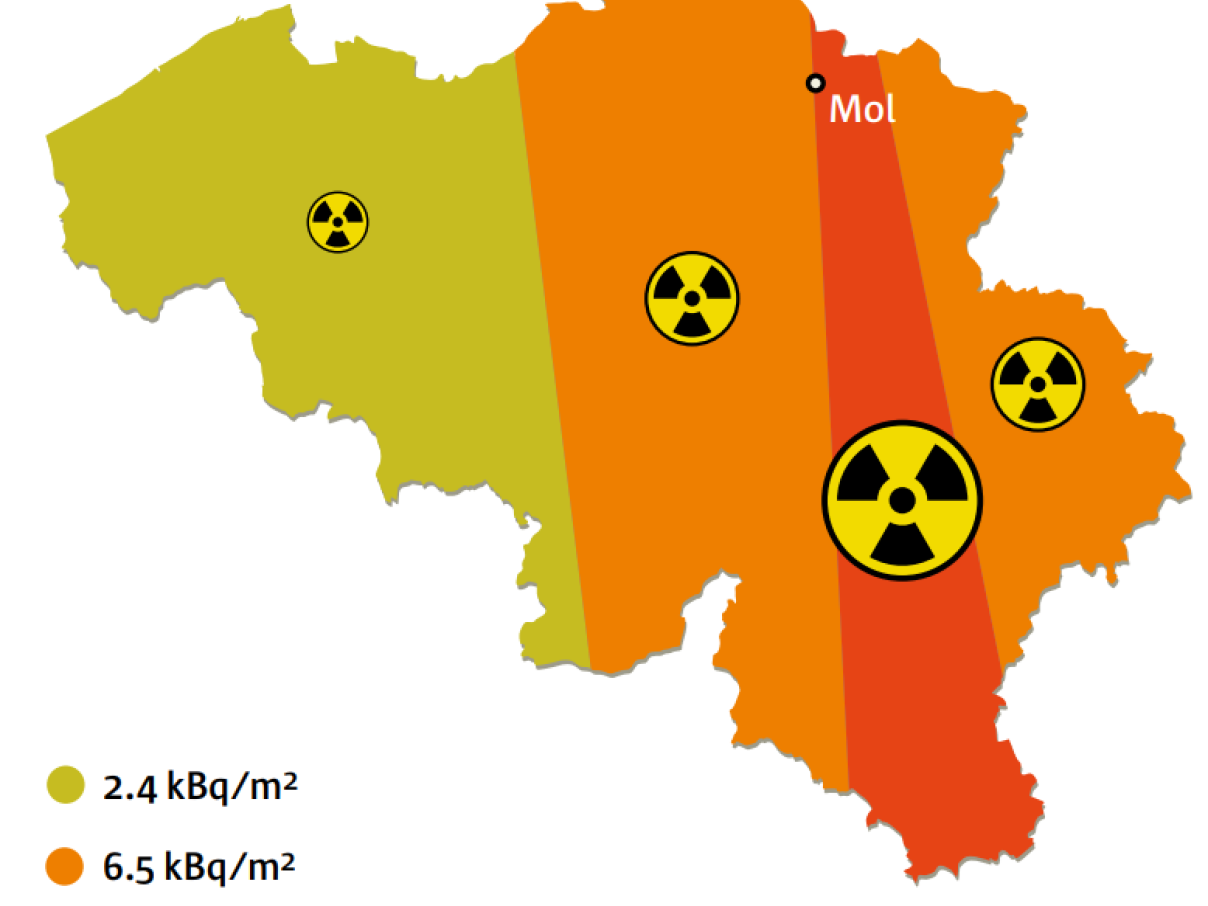
At the time of the accident, SCK CEN carried out sampling campaigns. The radionuclides caesium-134, caesium-137 and iodine-131 were measured in these soil samples. Surface radioactivity varied between 2.4 and 13 kBq per square metre, a direct consequence of whether or not it had rained. (By way of comparison: the amount of natural radioactivity in the human body averages around 8 kBq.) Rainfall played an important role as it can lead to higher deposition of radioactive particles on the ground. At greater distances, aerosols in clouds play a key role: small particles such as dust, smoke or sea salt which raindrops form around and radioactive substances can stick to. The measurements we carried out served as a baseline to make it possible to accurately interpret subsequent measurements in Belgium.
We also measured the caesium and iodine concentrations in air, grass, leafy vegetables, milk and meat. We still actually take these measurements. Fortunately, the total additional dose resulting from Chernobyl was very low in Belgium: during the first year after the accident, it ranged from 0.03 to 0.1 mSv for adults. Due to different dietary habits and higher sensitivity to radiation, exposure for young children in the first year after the accident could reach a maximum of 0.3 mSv. By way of comparison: the official dose limit for the public – as set by the FANC – is 1 mSv per year, more than three times as much.
Radiation exposure in our country following the accident was very low compared to the average annual radiation dose of approximately 4.3 mSv per Belgian (FANC), which includes not only natural background radiation but also medical and, to a limited extent, industrial exposure. Consequently, no epidemiologically demonstrable consequences were observed; in other words, the number of cancers and birth defects did not increase as a result of Chernobyl. Other health effects, such as thyroid problems, bone marrow suppression or reduced fertility occur at higher doses, which have never been reached in Belgium.
The figure shows the distribution of the surface contamination by Cesium-134, Cesium-137 en Iodium-131, as measured by SCK CEN in 1986.
SCK CEN’s expertise in dosimetry
In this context, we often refer to radiation doses and how they can be linked to potential health risks. But how exactly is a radiation dose measured and calculated? This is through dosimetry.
SCK CEN has decades of expertise in this field. We measure and analyse radiation doses received using the latest measurement and analysis technologies. Dosimetry is also one of the services we offer to various sectors, such as industry and healthcare, where employees may be exposed to radiation in the course of their work.
Hoe meten en berekenen we stralingsdoses in de praktijk? Lees meer over onze expertise en diensten rond dosimetrie.
How do we measure radiation today?
Radiological measurement methods have evolved considerably since 1986. Today, they are carried out within a well-defined framework, including through CELMES (Central Measurements and Sampling), the measurement unit of the federal nuclear emergency plan. CELMES ensures that there is a coordinated approach to radiological measurements in the event of nuclear or radiological incidents, and SCK CEN makes a significant substantive and operational contribution in this regard.
Various measurement options are provided within CELMES:
-
A permanent network of automatic monitoring stations that continuously monitors gamma radiation levels in Belgium and rapidly detects anomalies. SCK CEN provides support to TELERAD with scientific expertise, including by interpreting measurement data, monitoring the quality of measurements and contributing to measurement and emergency strategies within the federal nuclear emergency plan.
-
These teams carry out on-site measurements and take samples. SCK CEN makes two mobile measurement teams available and, together with IRE, acts as the local coordinator for the Belgian measurement teams. We use digital platforms such as ArcGIS Online (AGOL) to guide measurement teams and to receive, validate and visualise the measurement results.
-
SCK CEN carries out both aerial gamma spectroscopy using helicopters and drone measurements. Drones in particular have since become an established feature: since 2015, SCK CEN has built up specialist expertise to carry out rapid, safe and highly accurate aerial radiation measurements, even in difficult to access locations.
Discover how drones are essential for radiation measurements.
-
At our laboratories, we analyse a wide range of samples, including air, soil, grass, water and food products, using state-of-the-art measuring equipment. SCK CEN specialises in low-level radioactivity measurements, which are essential for reliably detecting even very low concentrations.
Discover our expertise in low-level radioactivity measurements here.
Lessons from Chernobyl, applied today
The nuclear disaster in Chernobyl made it painfully clear how important it is not only to measure radiation, but also to understand and accurately predict it. That same lesson is embodied today in RADAR, a 3D tool from SCK CEN that converts measurement data into simulations and dose calculations. As a result, we can better assess risks and plan work more safely, in accordance with the ALARA principle. The ALARA principle (As Low As Reasonably Achievable) means that exposure to ionising radiation is always kept as low as possible, taking into account what is technically and economically feasible.
Measurement and modelling: an interaction
In addition to measurement, modelling also plays a crucial role. Modelling results are used to inform the measurement strategy: they help determine where, when and what should be measured. Conversely, we use measurement results to verify and refine models, including through techniques such as inverse modelling. Thanks to this continuous interaction between measurement and modelling, we gain an increasingly accurate picture of the distribution and impact of radioactivity on the population and ecosystems.
European exchange of radiation measurements
Following the Chernobyl disaster, it became clear that Europe needed a system for the rapid and coordinated exchange of radiological information. Consequently, Council Decision ‘87/600/Euratom’ was adopted, obliging Member States to share information in good time in the event of serious nuclear or radiological incidents.
This cooperation is based on two platforms: ECURIE, the 24/7 alert system for urgent notifications, and EURDEP, the European platform for near-real-time exchange of radiological measurement data between 39 countries. National monitoring networks continuously share their data via EURDEP. In emergency situations, data is shared at least every hour. The data is compiled into public maps showing gamma radiation measurements from around 5,000 monitoring stations across Europe, going back up to 35 days.
CCoouunncciill DDeecciissiioonn ““8877//660000//EEuurraattoomm""
Field campaigns
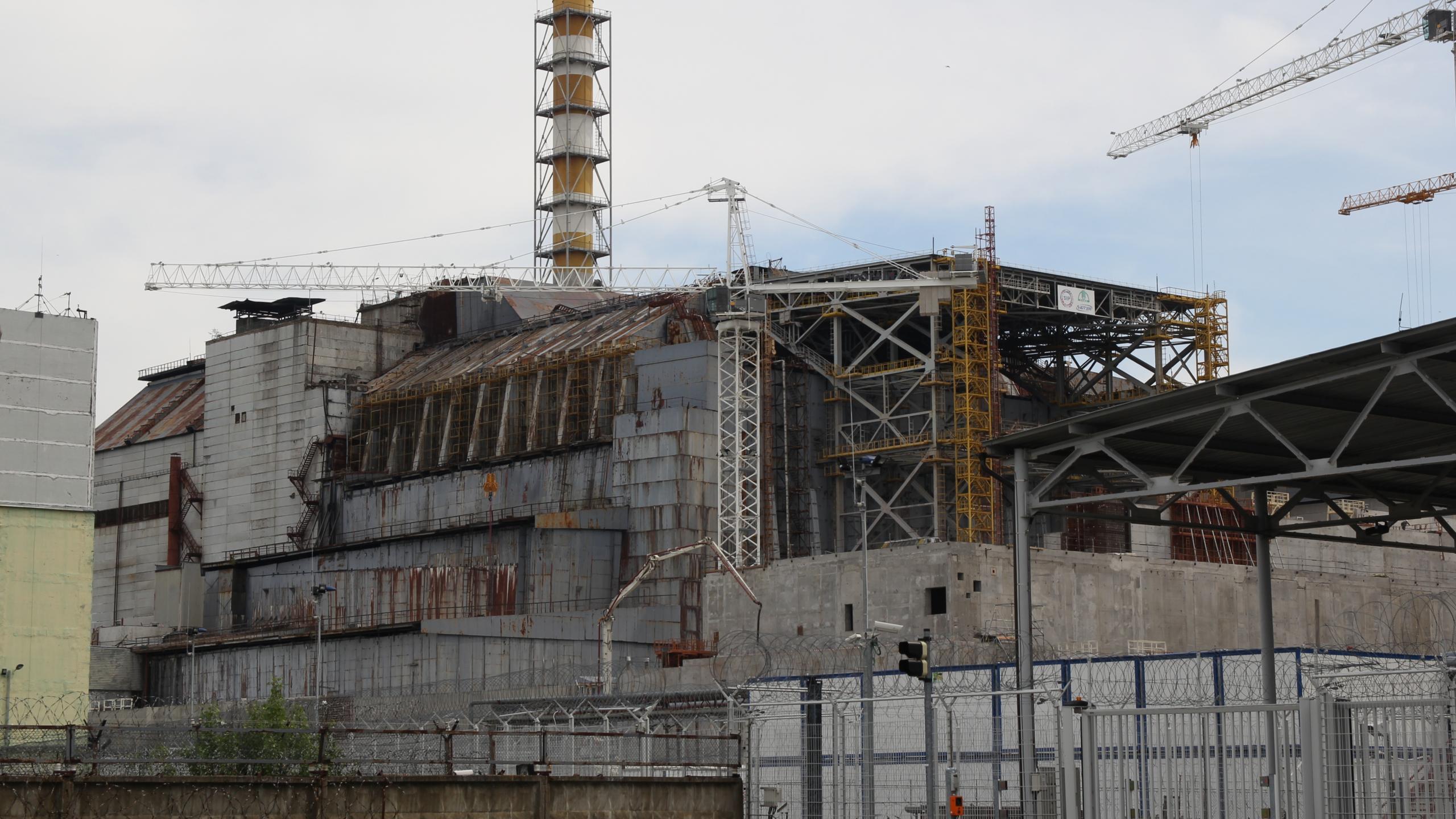
Forty years after the Chernobyl nuclear disaster, the stricken region is still a unique, but stark, reminder of the long-term effects of radioactive contamination. For SCK CEN, the exclusion zone has been an important area of research for decades. Through field campaigns, laboratory research and modelling, our researchers have provided – and continue to provide – crucial insights for the protection of people and the environment.
SCK CEN quickly at the scene: the first field campaigns (1990s)
SCK CEN was active in the exclusion zone around Chernobyl shortly after the accident. In the early 1990s, several field campaigns were launched, with three clear objectives:
- Mapping the radioactive contamination in the soil and the surroundings
- Gaining insight into the behaviour of caesium-137 (Cs-137) and strontium-90 (Sr-90) in soil and food chains
- Collecting data to better assess human exposure
The measurements and samples from this period, supplemented by targeted experiments at a now-decommissioned SCK CEN farm in Mol, subsequently formed the scientific basis for the biosphere model approved by the FANC. This model is still used today for impact assessments of human radiation exposure from existing and new nuclear facilities.
In addition, SCK CEN researchers have also investigated alternative remediation options for contaminated timber, including in the heavily contaminated Red Forest. These early campaigns demonstrate how SCK CEN combined measurement, experimentation and modelling from the very outset to tackle complex environmental issues.
New questions, new insights: COMET field campaigns (2016)
In 2016, we organised new field campaigns as part of the European COMET project, which was coordinated by SCK CEN. The aim of COMET was to bolster the scientific basis of radioecology by better coordinating field measurements, laboratory experiments and modelling, thereby reducing uncertainties in risk assessments for humans and the environment.
A comparative approach was consciously taken for COMET. Consequently, the field campaigns in Chernobyl ran in parallel with similar research in Fukushima, where, since the nuclear disaster in 2011, there has also been long-term, chronic exposure of organisms to elevated radiation levels. By combining data from two different but heavily contaminated environments, researchers were able to ascertain what the general impacts are in cases of chronic exposure, and which are more context- or ecosystem-dependent.
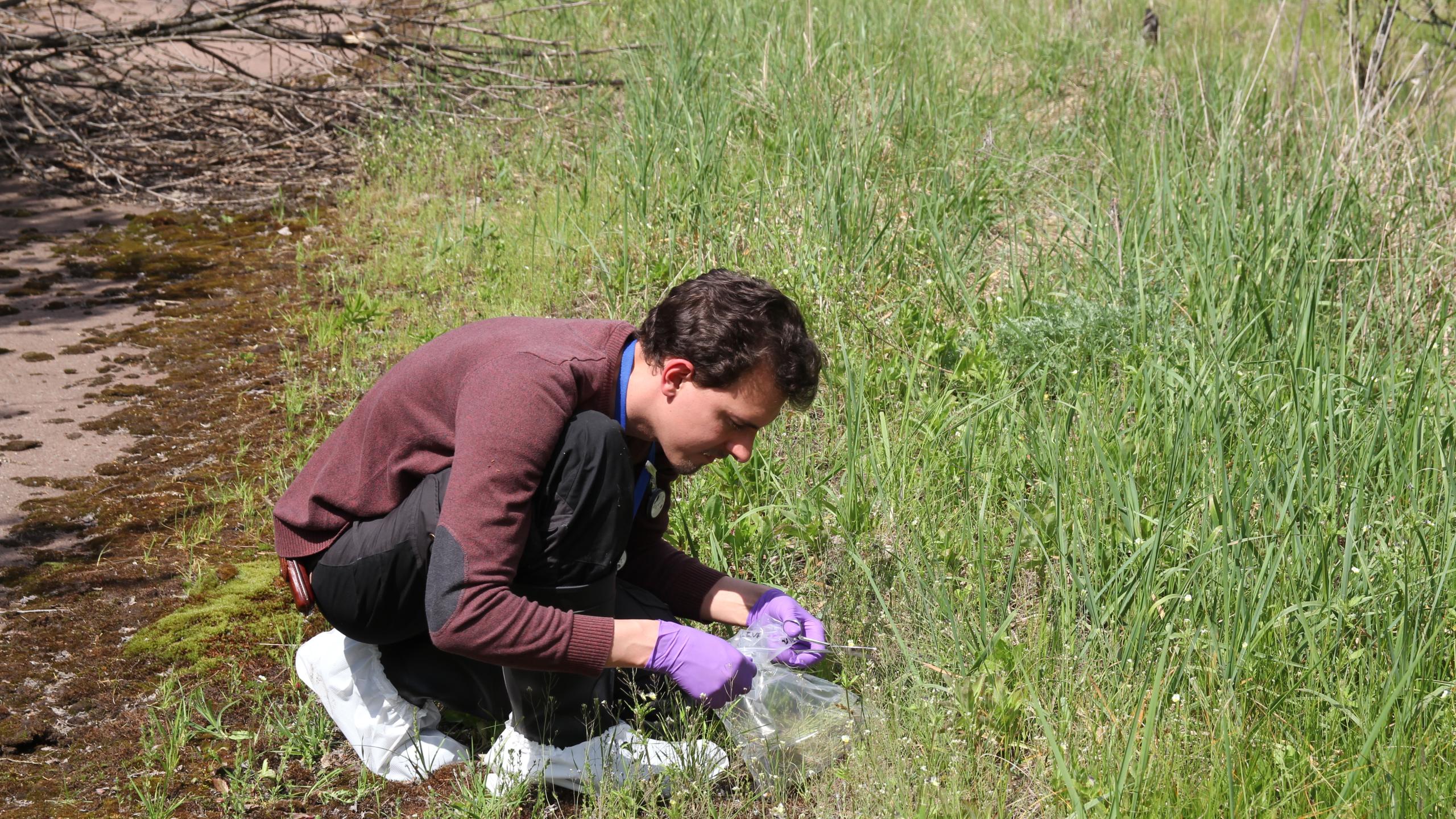
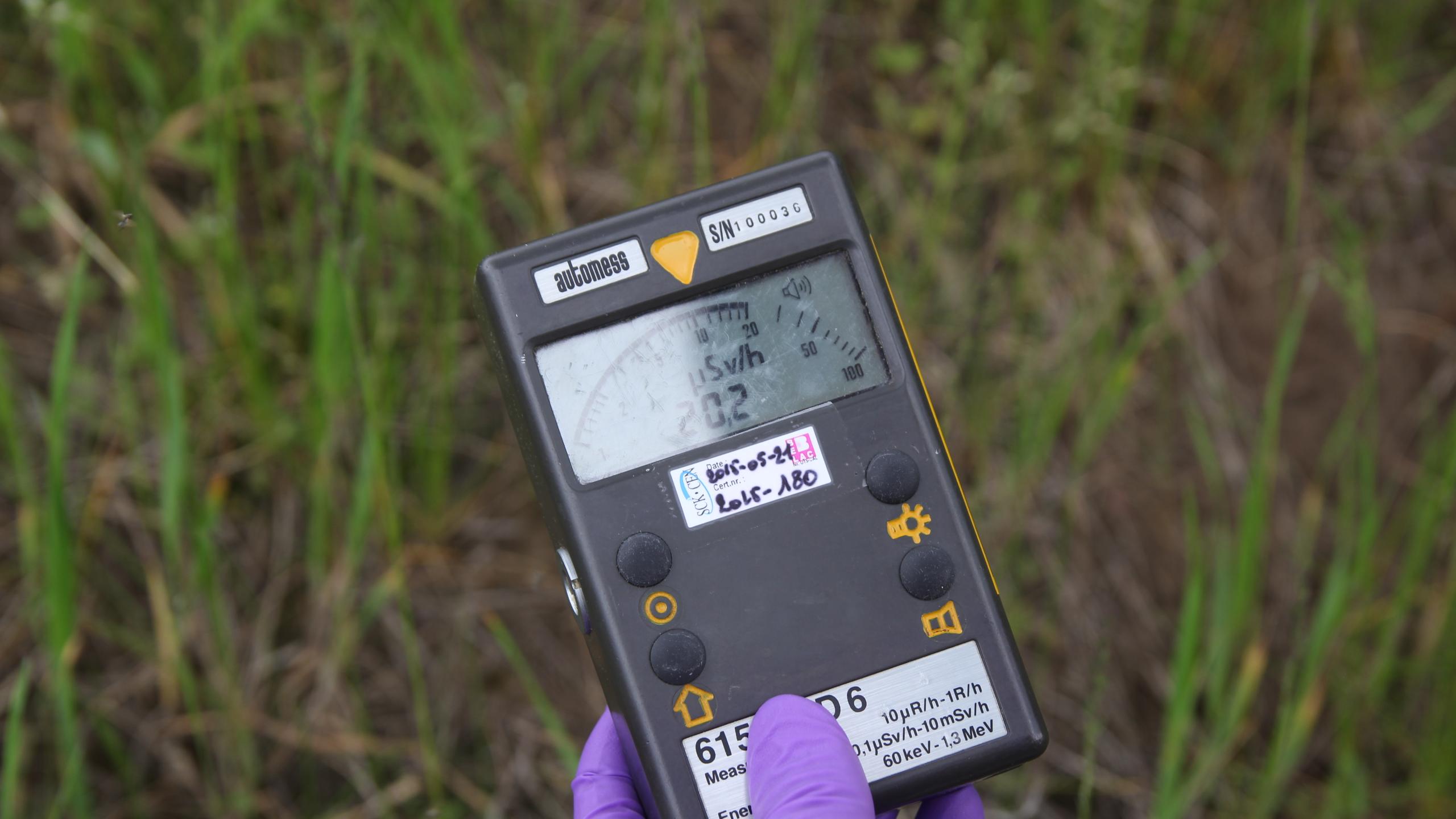
In Chernobyl, samples were taken from soil, plants and animals, including earthworms and frogs. These samples were used both for the analysis of long-lived radionuclides (such as Cs-137, Sr-90, plutonium isotopes and Am-241) and for biological analyses of potential impacts across multiple generations. At the same time, specific laboratory experiments were carried out within COMET, so that field and laboratory results could mutually reinforce and clarify each another.
The combined results of the field campaigns in Chernobyl and Fukushima were compiled in this peer-reviewed scientific publication.
The data from the COMET project helped to improve existing models and therefore to estimate the long-term effects of radiation on the environment more accurately. The results clearly showed that prolonged (chronic) exposure has different impacts from short, high (acute) exposure, and that this difference is important for an accurate risk assessment.
In addition, the data made it possible to determine more effectively how much radiation organisms actually absorb and to further improve environmental models. As such, it was confirmed that the impacts of chronic exposure must be looked at separately when assessing the effects of radiation on ecosystems.
Together with our international partners, including UK-CEH, SCK CEN developed a population model for rodents in the Red Forest. This model makes it possible to extrapolate the effects of radiation on individual animals to entire populations, based on realistic field data.
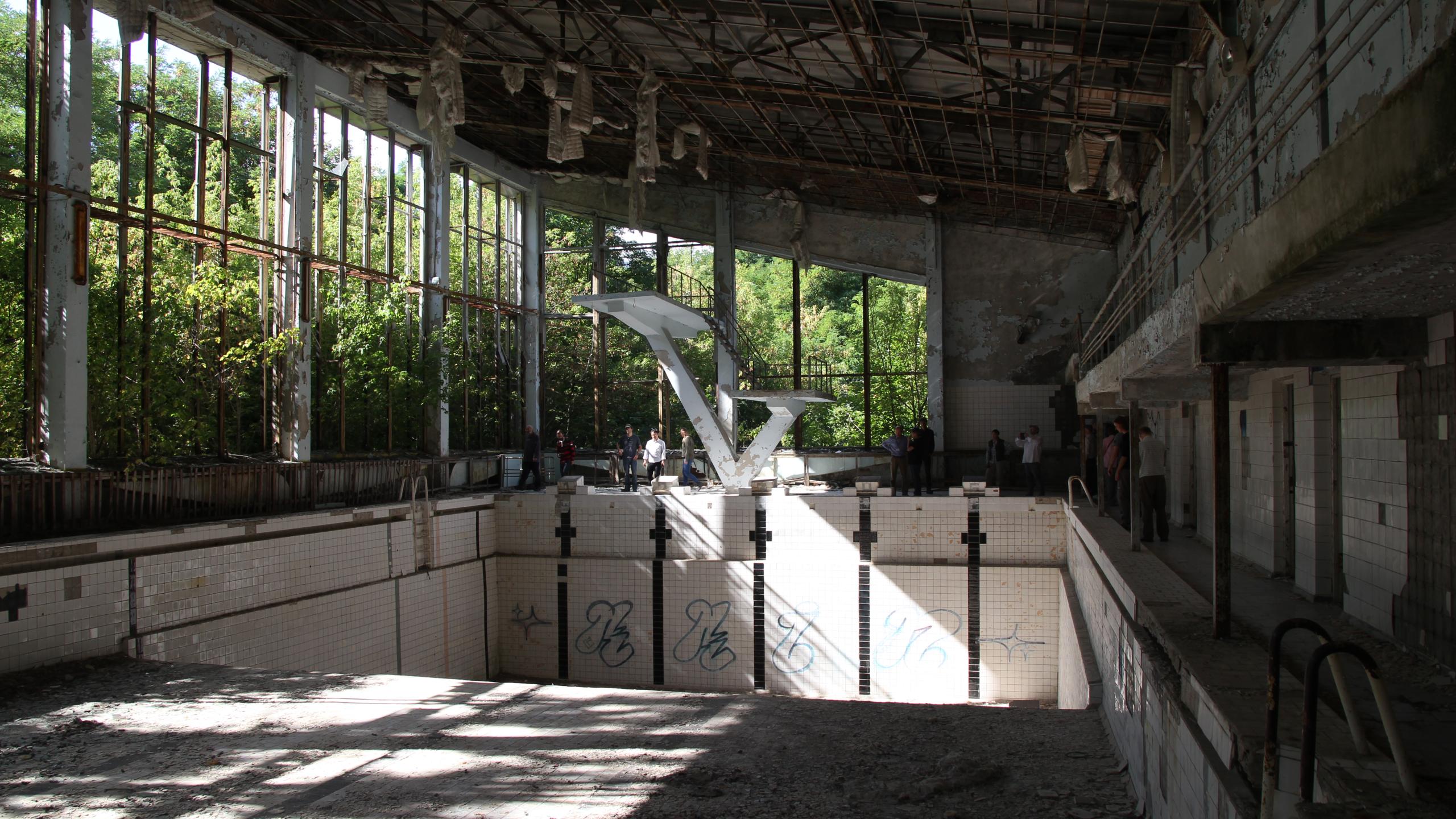
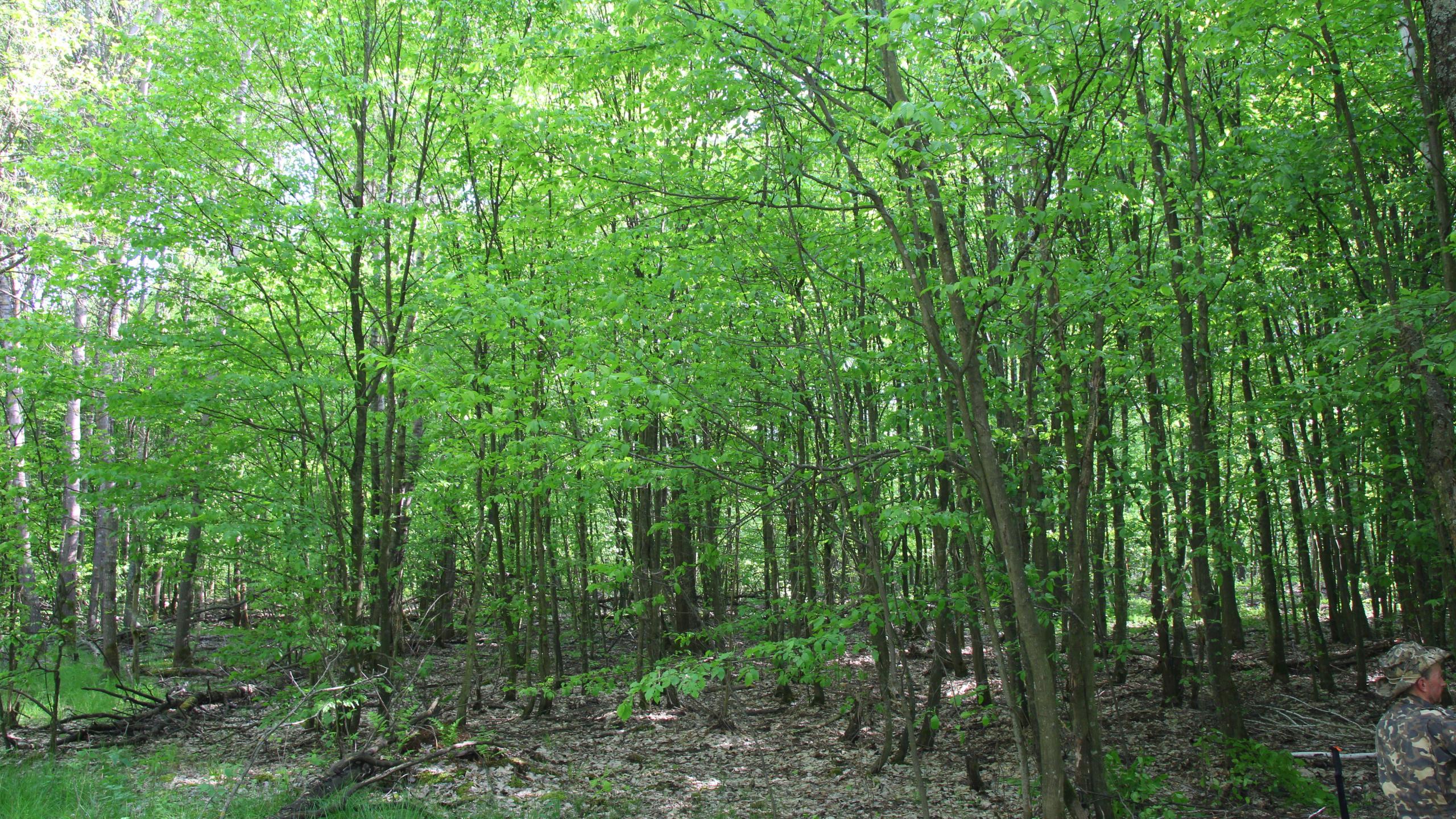
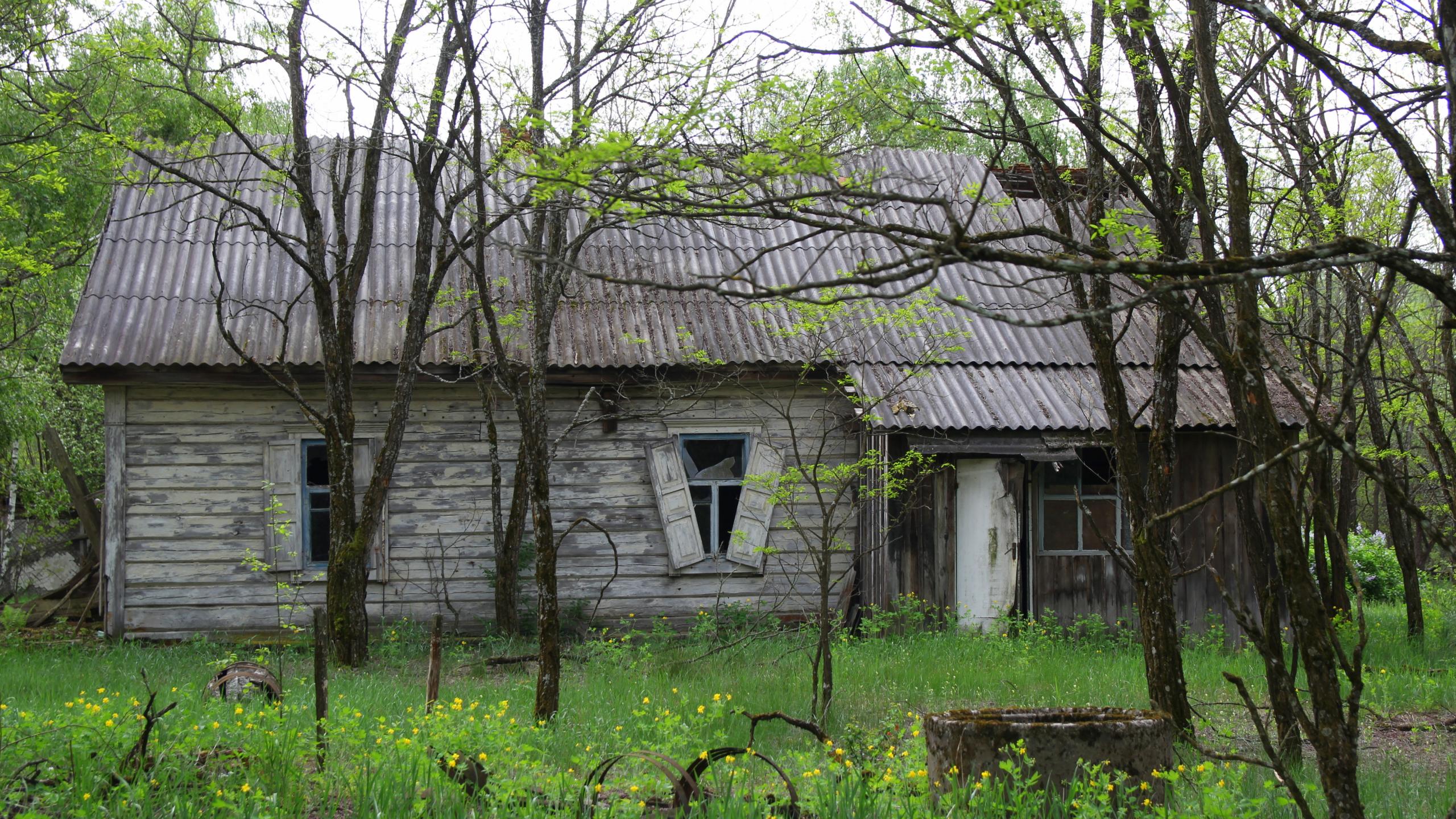
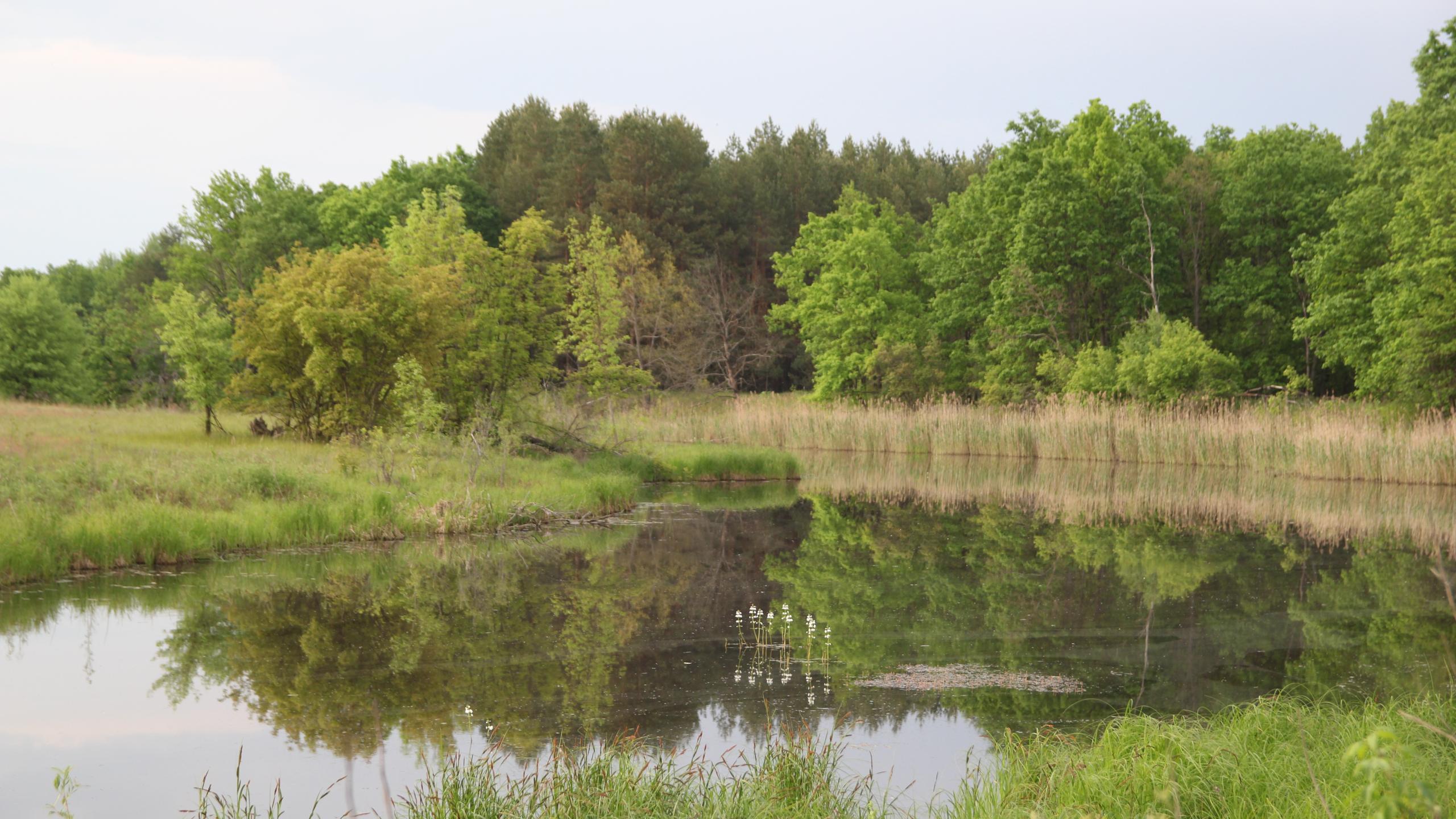
In the forests around Chernobyl, in the heart of the exclusion zone, there is no sign of a barren, post-apocalyptic landscape. On the contrary, nature thrives here; it is one of the most biodiverse places on the European mainland. Bison, deer, wolves and lynx roam over the area, where there has been no human activity for 40 years now.
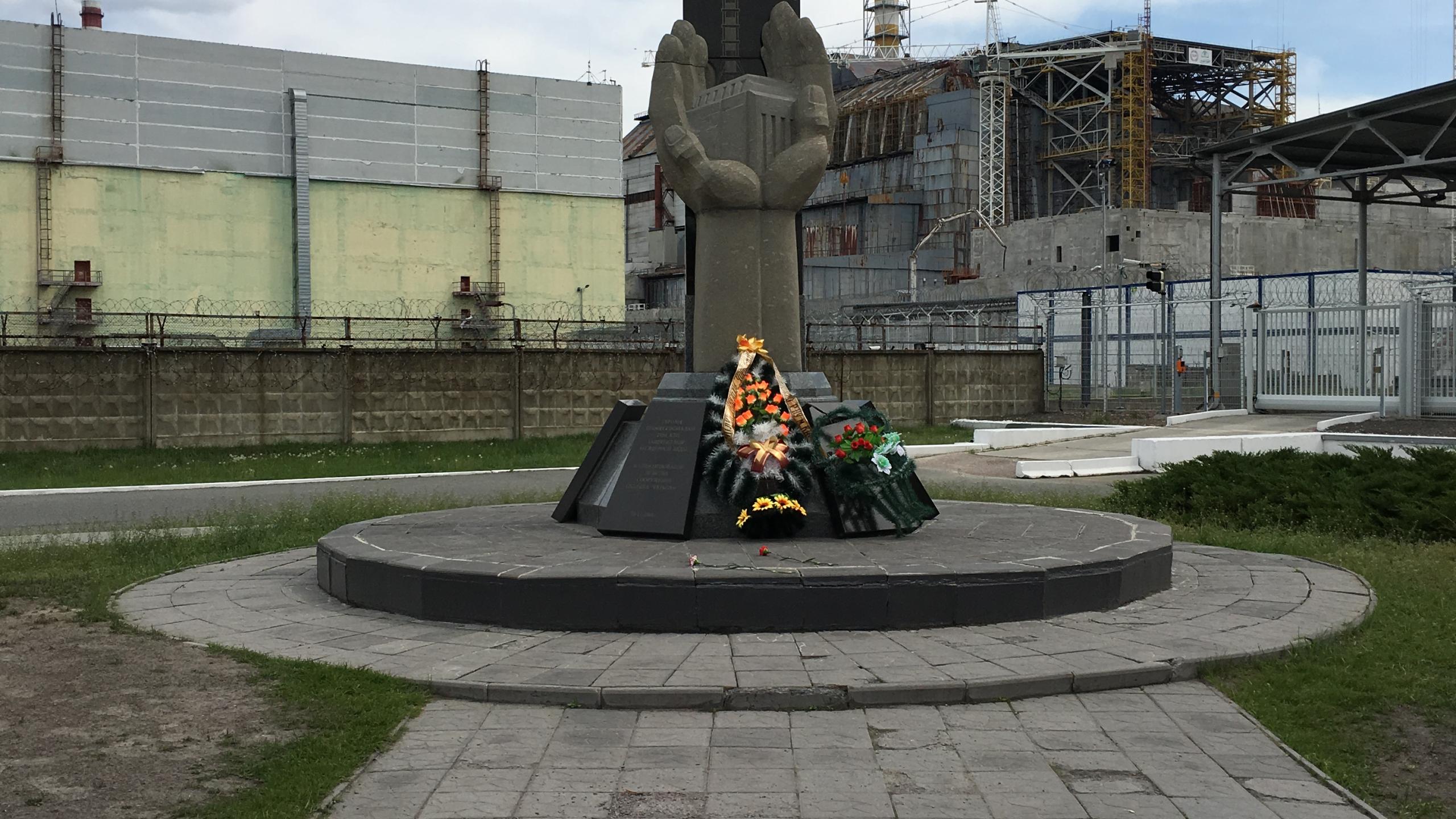
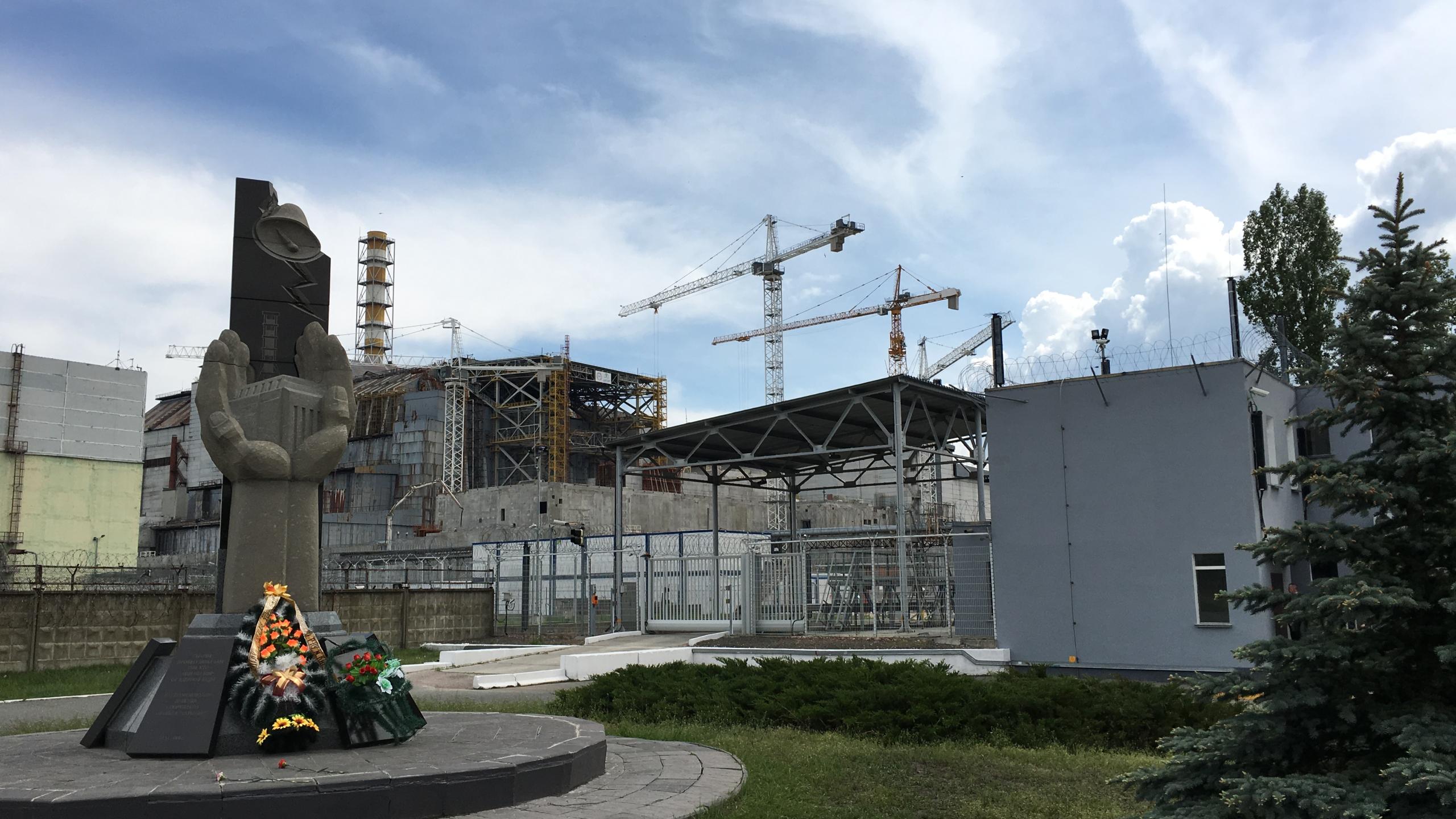
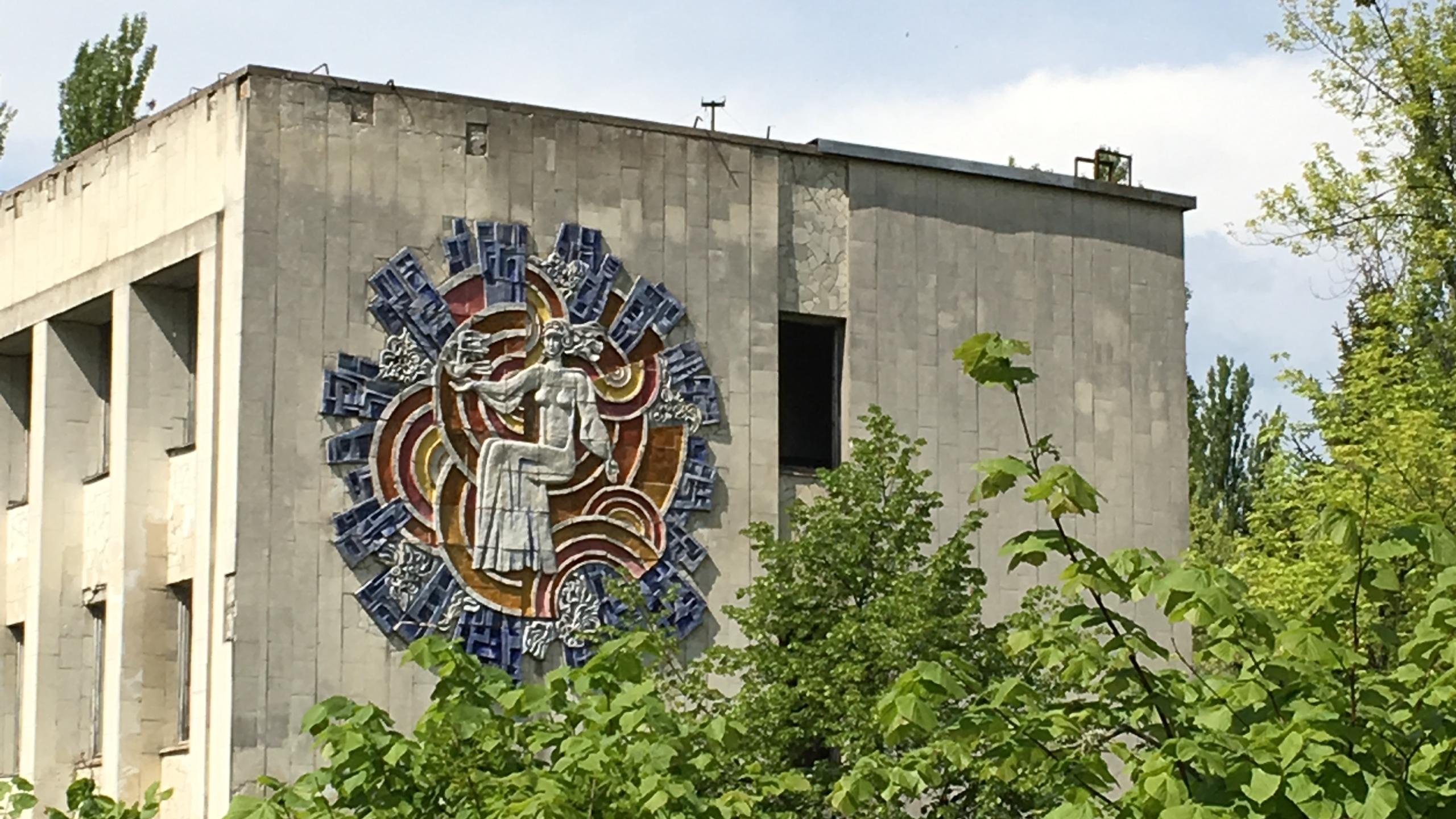
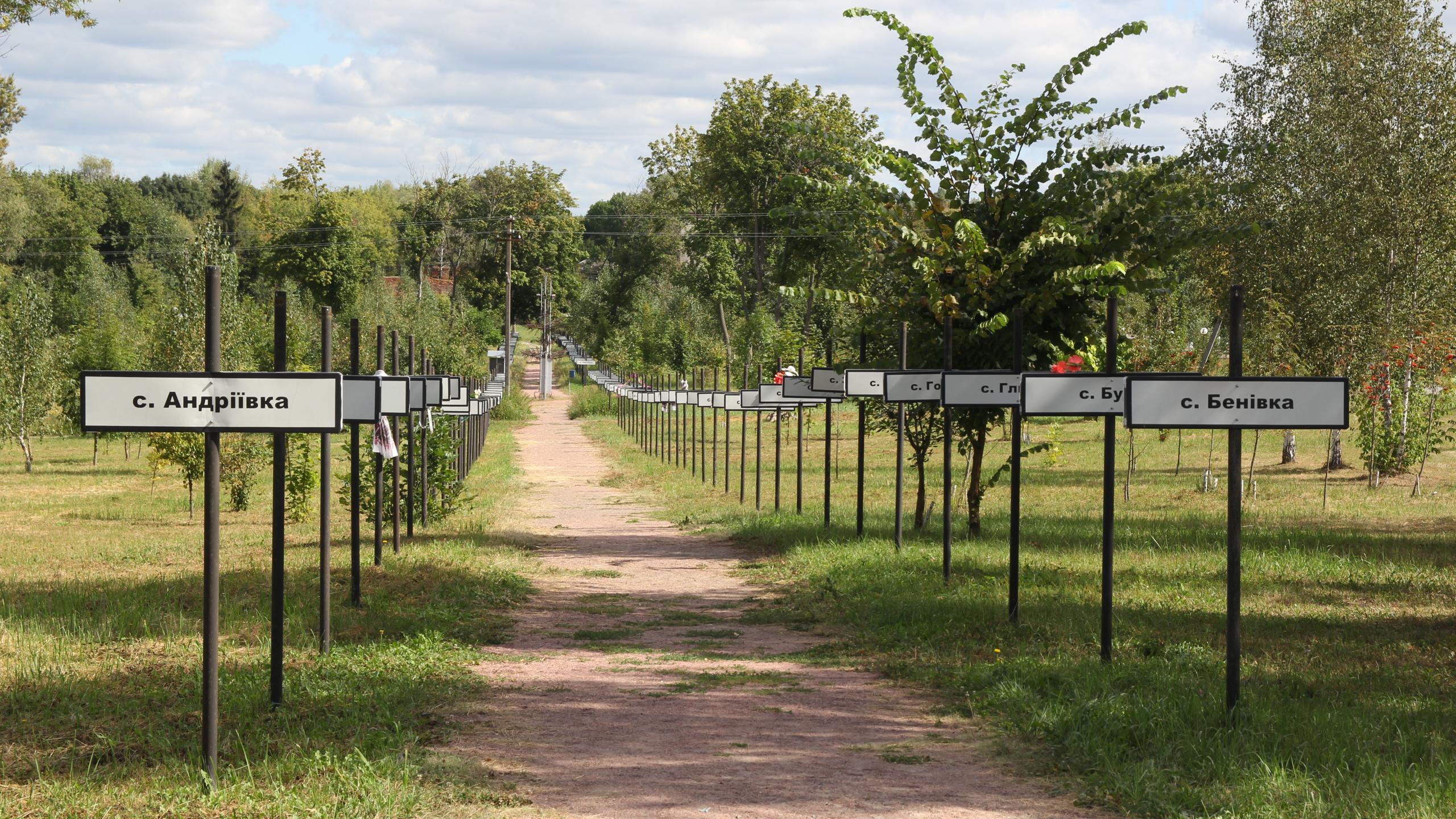
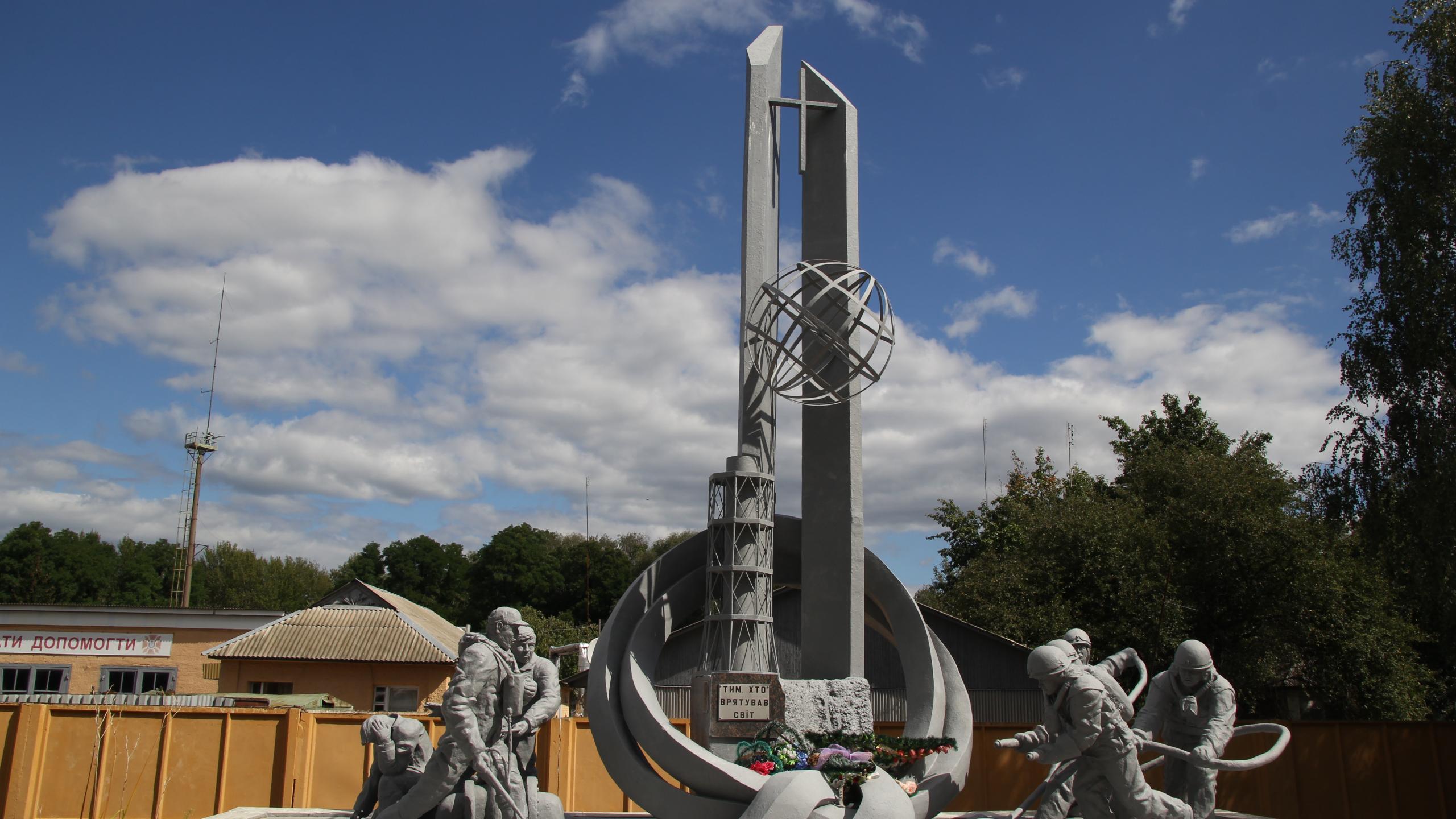
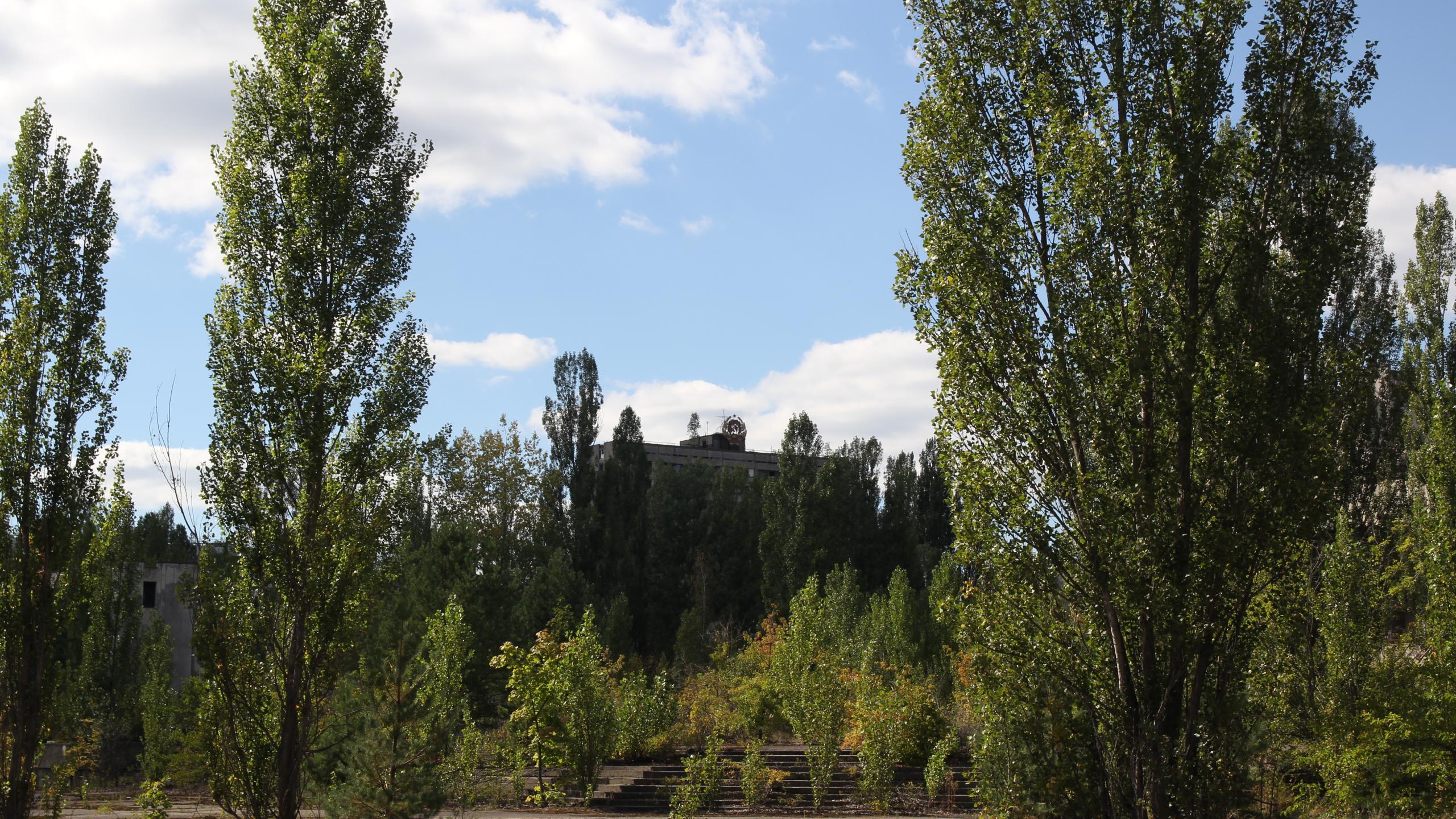
Images: personal archive Nele Horemans
Will we go back?
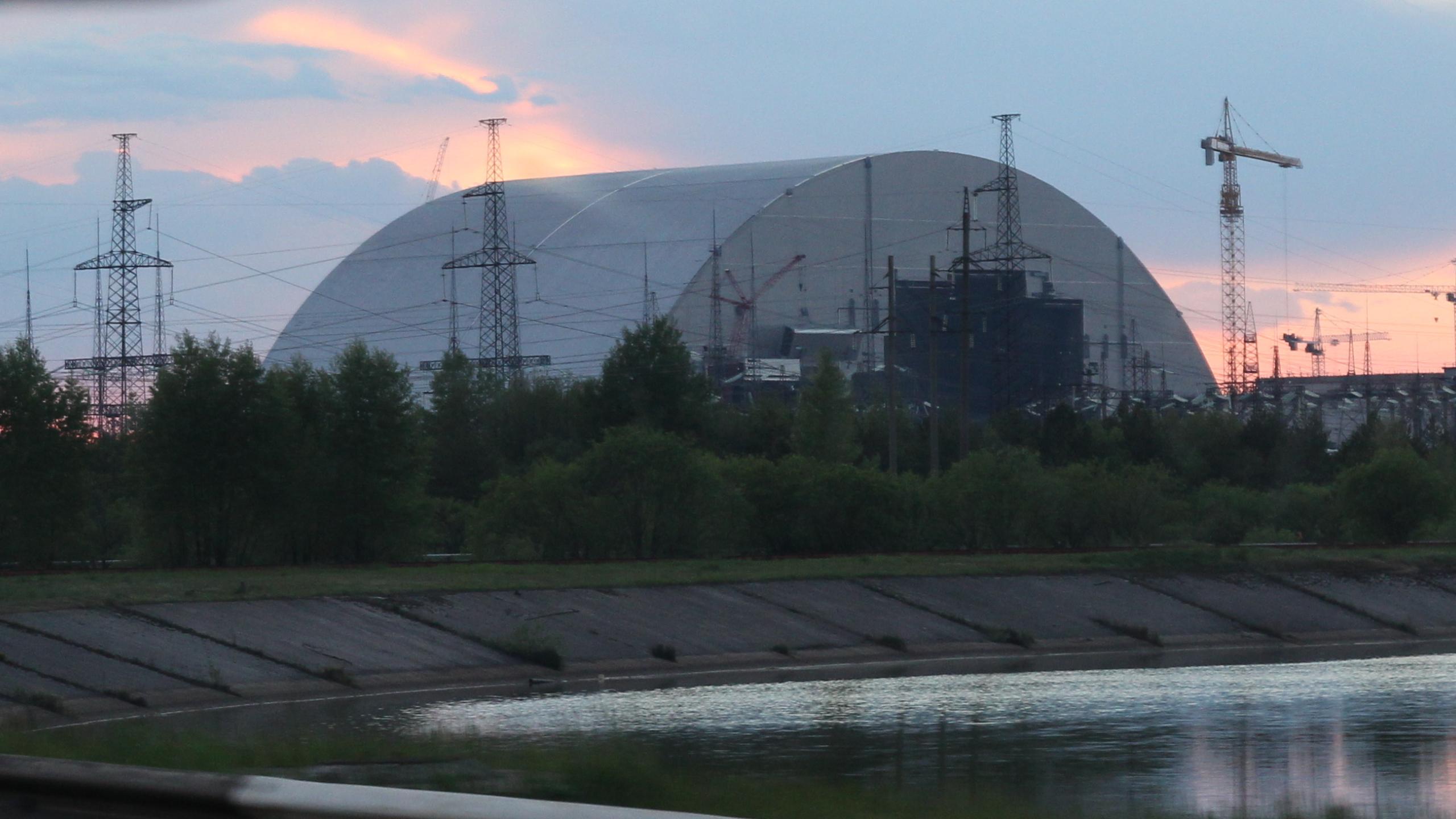
The exclusion zone around Chernobyl is still one of the most radioactively contaminated areas in the world and is therefore of particular scientific interest as a kind of outdoor laboratory for long-term research.
There were concrete plans to carry out further field campaigns as part of the European CHRONIC-ITN project. However, due to the war in Ukraine since February 2022, this was no longer possible. Shortly after the war broke out, the exclusion zone was temporarily occupied by Russian troops, and access is still difficult even today, partly due to the presence of landmines. Discussions have been held via the European radiological protection platform ALLIANCE to restart cooperation with Ukrainian researchers, but fieldwork on-site is not feasible for the time being.
For SCK CEN, the CHRONIC project was ultimately successfully completed on the basis of alternative data and tests. In the meantime, we are exploring new possibilities for future field campaigns in the hope that peace and stability will eventually return to the region.
Read more about...
-

The accident
-

Emergency planning and notification
-

Insights into reactor design