
Building knowledge and expertise
Highlights 2024
Science takes root in the fertile ground of accumulated knowledge. To give new ideas the space to sprout and flourish.
-
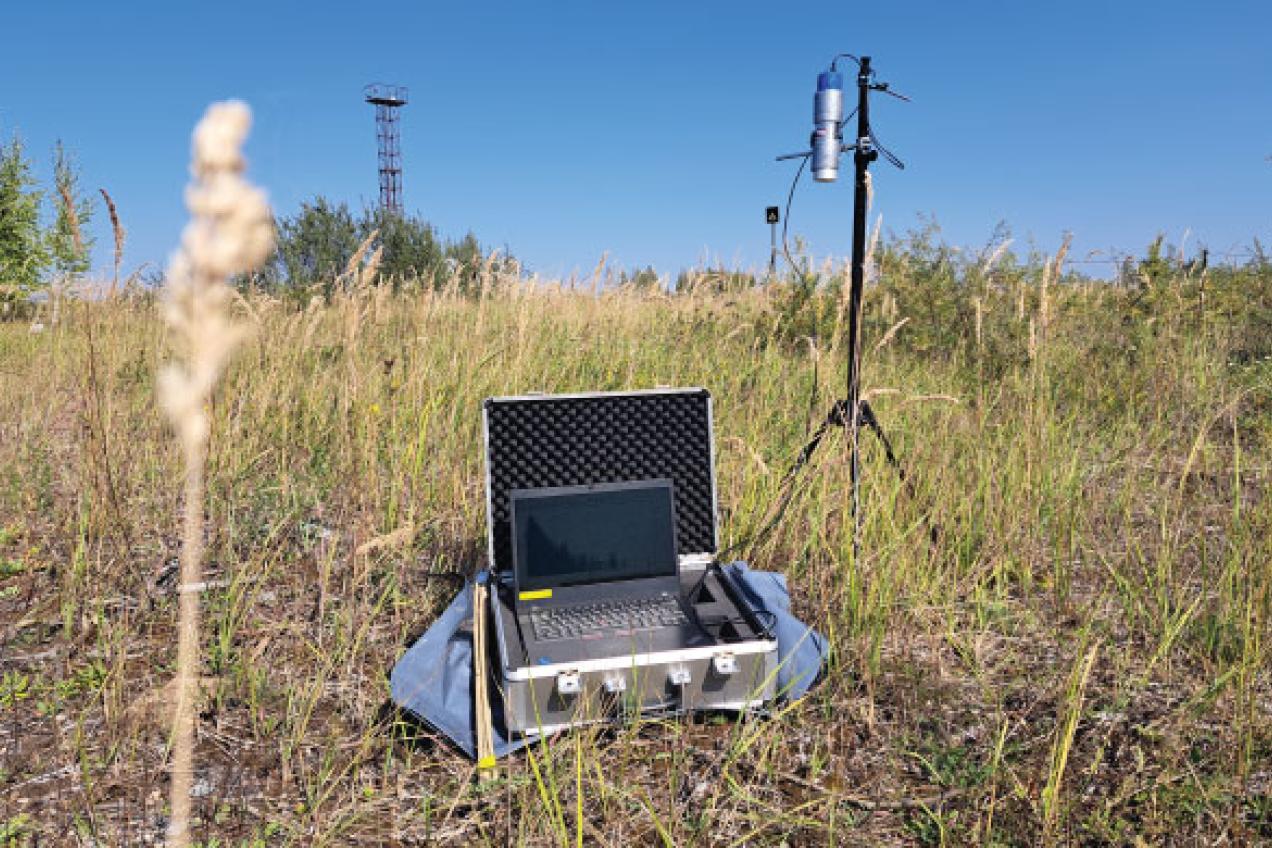
Belgian nuclear experts support Latvia in remediation of historic contaminated site
Exploring the nuclear lifecycle
17 October 2024How do radioactive particles disseminate in the air? Do plants absorb pollutants and what does that do to our food chain? Can we calculate dissemination and environmental impact with computer models? And how can we remediate the sites? Our scientists have spent years thoroughly examining this issue in relation to nuclear emergency planning. Today, that extensive knowledge forms the basis for our renewed role in site remediation. Last year, with our consortium partners Tractebel, IRE, and Belgoprocess, we mapped a contaminated site and proposed remediation options to the Latvian safety authorities.
-
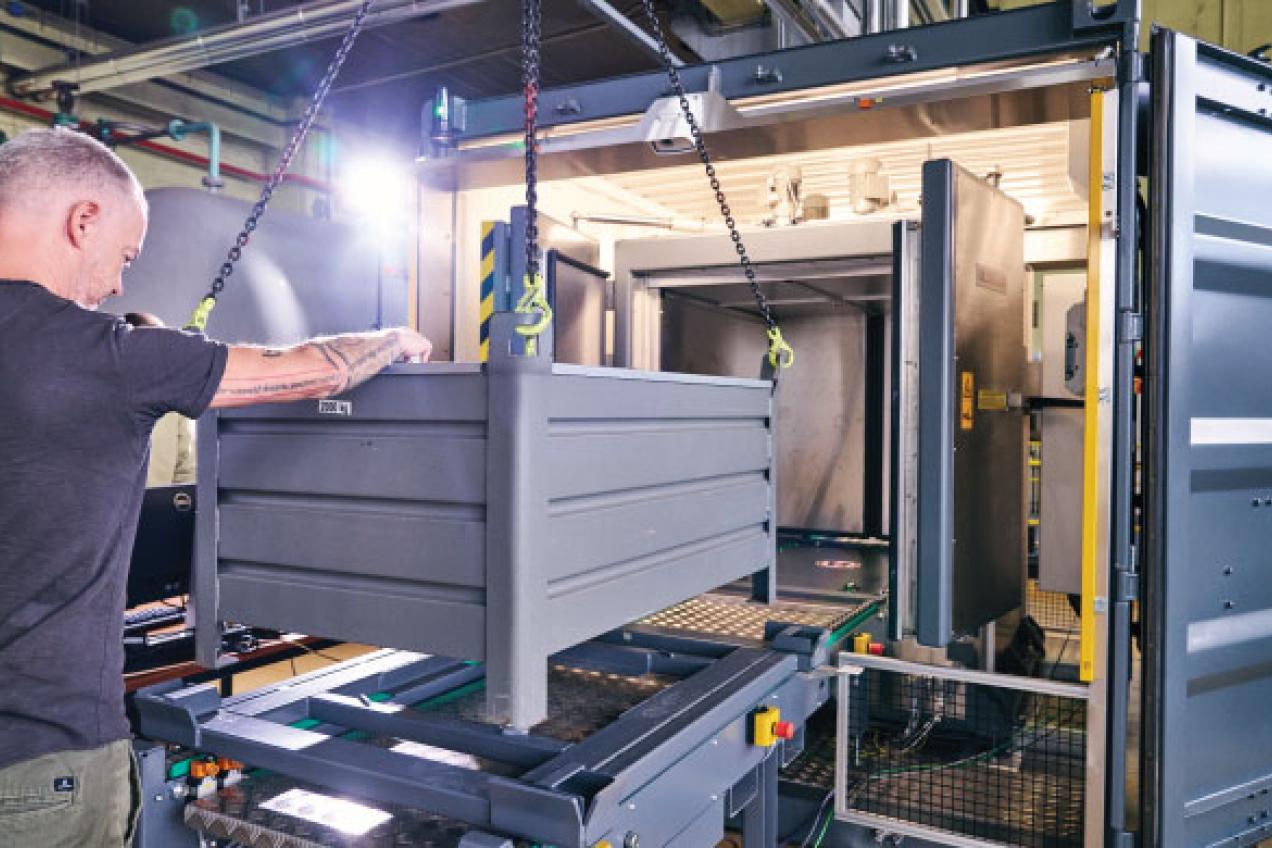
Reusing and recycling materials more efficiently thanks to E.R.N.I.E. and B.E.R.T.
Exploring the nuclear lifecycle
24 October 2024Serving as a prototype for the Doel and Tihange nuclear reactors, our BR3 pressurised water reactor also became an international model for dismantling. This led to the realisation that, by carefully measuring, treating, and releasing materials (with or without conditions), we can reduce radioactive waste in dismantling. Today, Europe is on the eve of dismantling an estimated 100 nuclear reactors and 200 medical cyclotrons by 2045. Immense amounts are therefore coming our way. How can we process these quantities efficiently and with precise measurement accuracy? For this, our brand-new installations, E.R.N.I.E. and B.E.R.T., come to mind. With this duo, we can be confident in releasing materials safely.
-
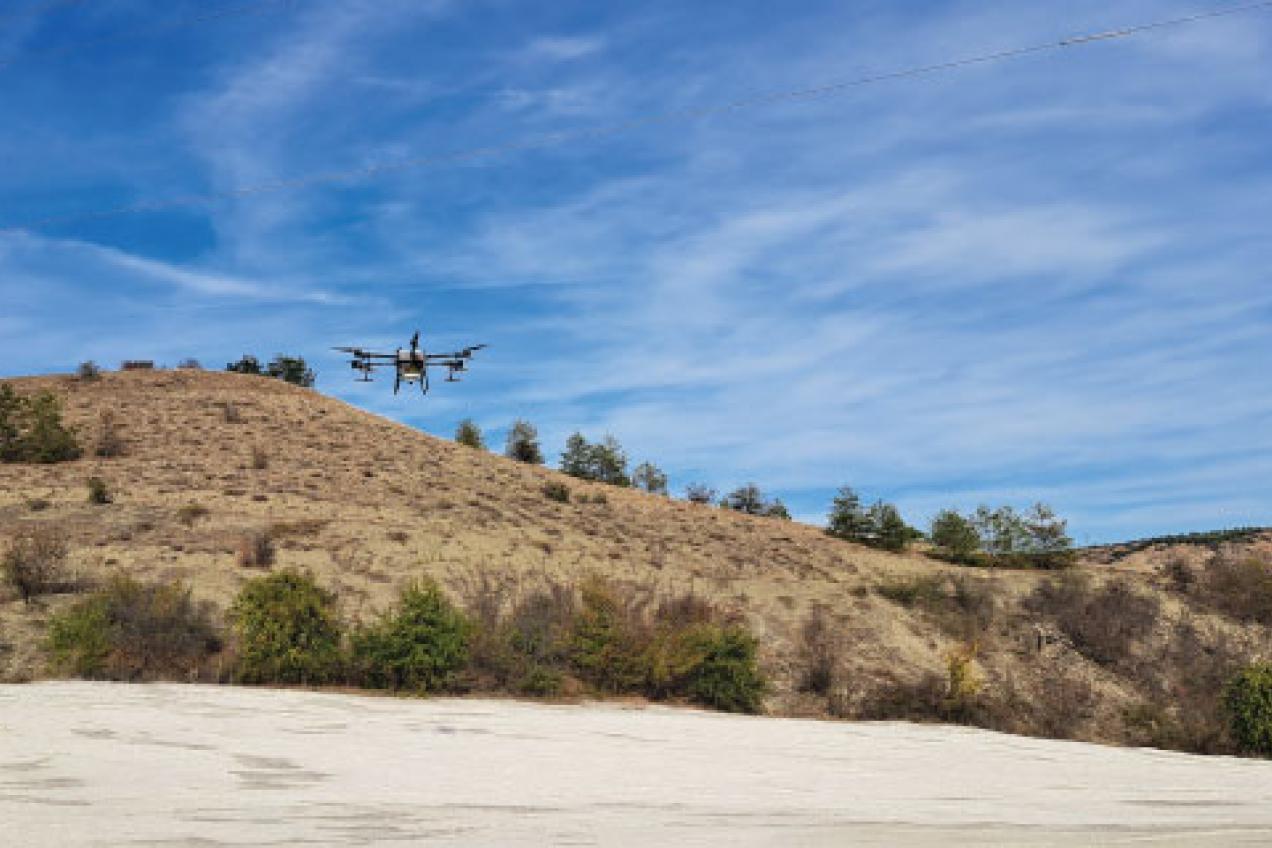
SCK CEN collaborates in international research on the recycling of phosphogypsum
Exploring the nuclear lifecycle
24 October 2024Phosphogypsum is a by-product of fertiliser and phosphoric acid production. It contains both heavy metals, including cadmium, zinc, and arsenic, and radioactive materials. Currently, the residues are placed in landfills set aside for this purpose. These materials can, however, be recovered and reused in various products, including paper, cement, batteries, wind turbine magnets, and cleaning products. Before repurposing these materials, we need to ensure their safety. After all, reuse must not present a health risk to humans or the environment. Scientists at SCK CEN leverage their expertise in radiological characterisation in the context of phosphogypsum recycling.
-
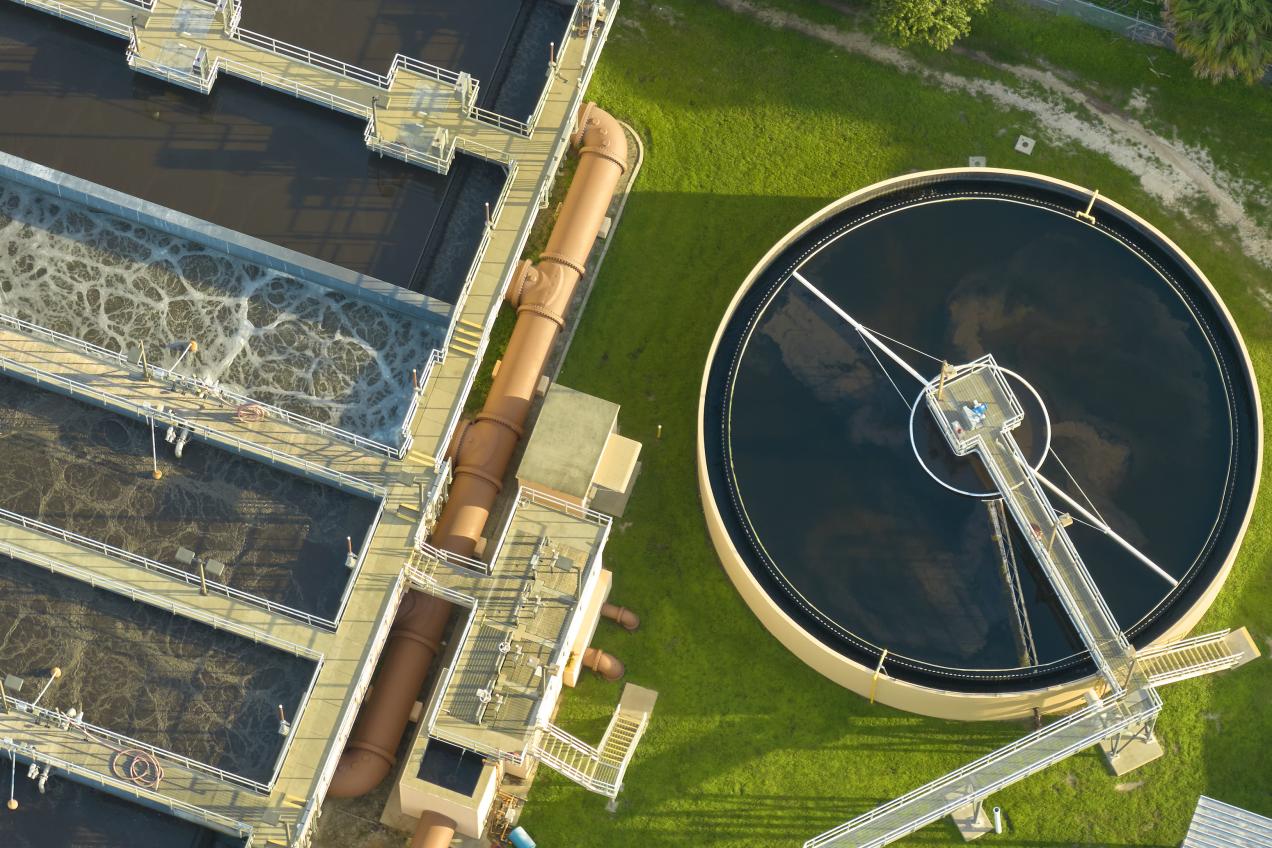
SCK CEN draws attention to the long-term effects of radioisotopes in rivers and works to strengthen the protection of people and nature
Guaranteeing radiation protection
29 February 2024Doctors use medical radioisotopes not only to make diagnoses but also, increasingly, to treat cancer and other diseases. The radioactive substance is administered via injection and is eliminated from the body through urine and bowel movements. Hospitals store urine and faeces in a separate disposal system until the radioactivity has decayed to a safe level. These subsequently flow into wastewater treatment plants via the sewers, where, after standard treatment, they are released into rivers. At present, humans and the environment are generally protected by this processing method. However, what if the use of radioisotopes increases? Once again, SCK CEN is using its deep expertise in impact studies to answer this emerging question.
-
Silver-exchanged zeolites enhance the detectability of nuclear tests
Guaranteeing radiation protection
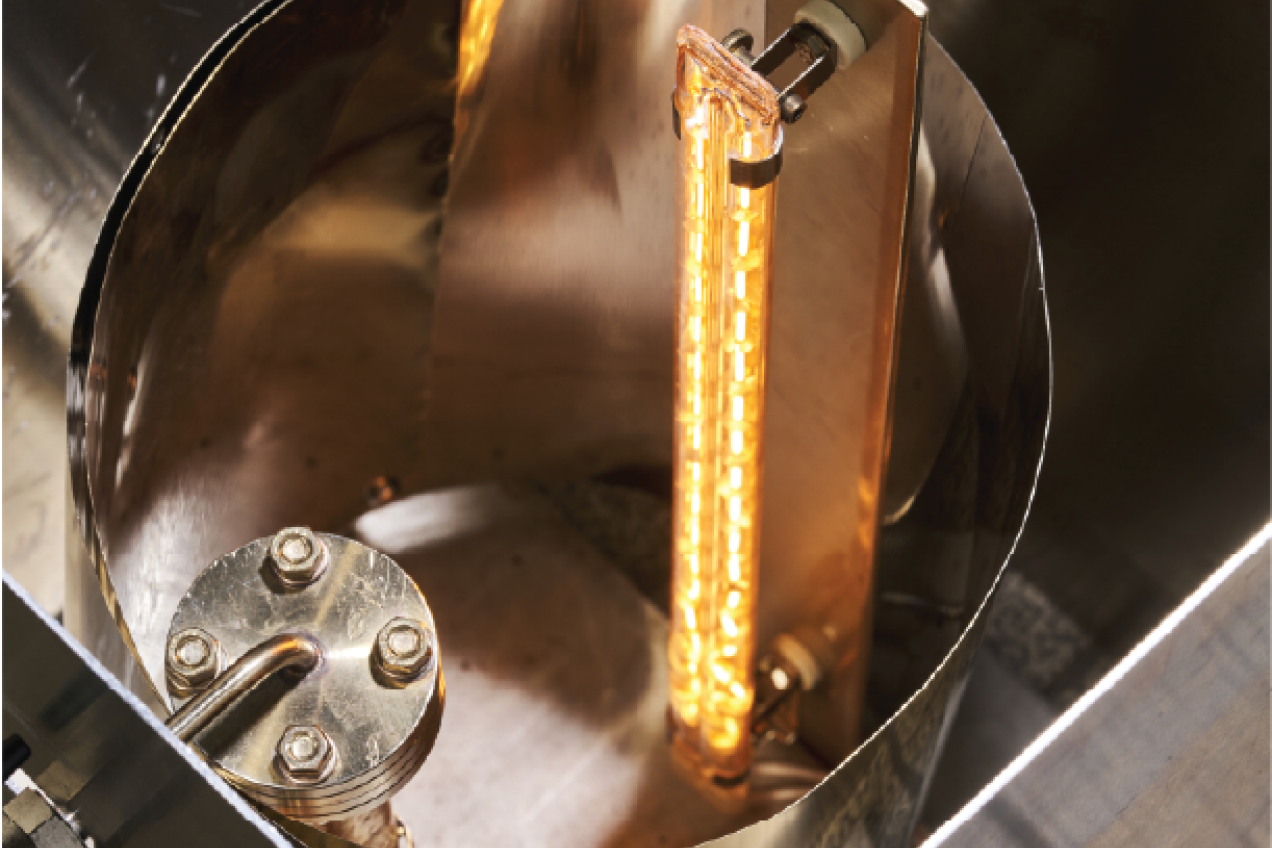
3 October 2024Efficient adsorbents minimise even the smallest emissions of radioactive xenon from nuclear facilities. At present, the nuclear industry relies on activated carbon filters to remove radioactive xenon. Previous studies indicate that silver-exchanged zeolites can be almost 200 times more efficient than activated carbon filters. However, do they maintain their performance under high radiation pressure? We investigated that in 2024. By absorbing more radioactive xenon, we prevent emissions from entering the international monitoring network, thereby improving our ability to detect nuclear testing signals.
Discover how we ...
-
1. ... strengthen knowledge and expertise
Science demands ongoing innovation in research and infrastructure alike. To strengthen our foundation and, in turn, enhance our social impact.
-
2. ... ignite knowledge and expertise
Science thrives on a strong incentive. To inspire others and build momentum in research and development.
-
3. ... merge knowledge and expertise
Science requires a broad perspective, so that it can learn from and connect with other fields.