SCK CEN participates in international research into the recycling of phosphogypsum
NORM industry residues get new life in consumer products
Reusing phosphogypsum waste in paper or detergent: that is the aim of the new European project FIC Fighters. Today, those gypsum residues, which emanate from the production of fertilisers, for example, are stored in landfills. That however presents ecological and social challenges. On the one hand, these residues contain heavy metals such as cadmium, zinc, and arsenic, and on the other hand, radioactive materials. FIC Fighters wants to build two mobile demo plants to recover materials and work together with citizens in response to the latest regulations. SCK CEN is taking on a unique role as the project’s sole radiological partner.
What is phosphogypsum?
Phosphogypsum is a by-product that arises during the manufacturing of fertilisers and phosphoric acid. It contains elevated levels of NORM (Naturally Occurring Radioactive Material), such as radium (Ra-226), uranium (U-238), thorium (Th-238), polonium (Po-210), lead (Pb-210) and radon (Rn-222). The last of those, radon, is a radioactive gas that slowly escapes from the phosphogypsum waste.
The radioactivity levels of phosphogypsum stacks are relatively low, but high enough to be classified as a radon risk level. Proper management is therefore essential to avoid environmental issues, such as air and water pollution, and to avoid concerns about radioactive contamination and land use. The material is stored in large quantities in special landfills, which are often located near residential areas. This frequently leads to socio-political unrest.
In Belgium, concentrations are monitored by the FANC.
Recovering lost materials as quickly as possible
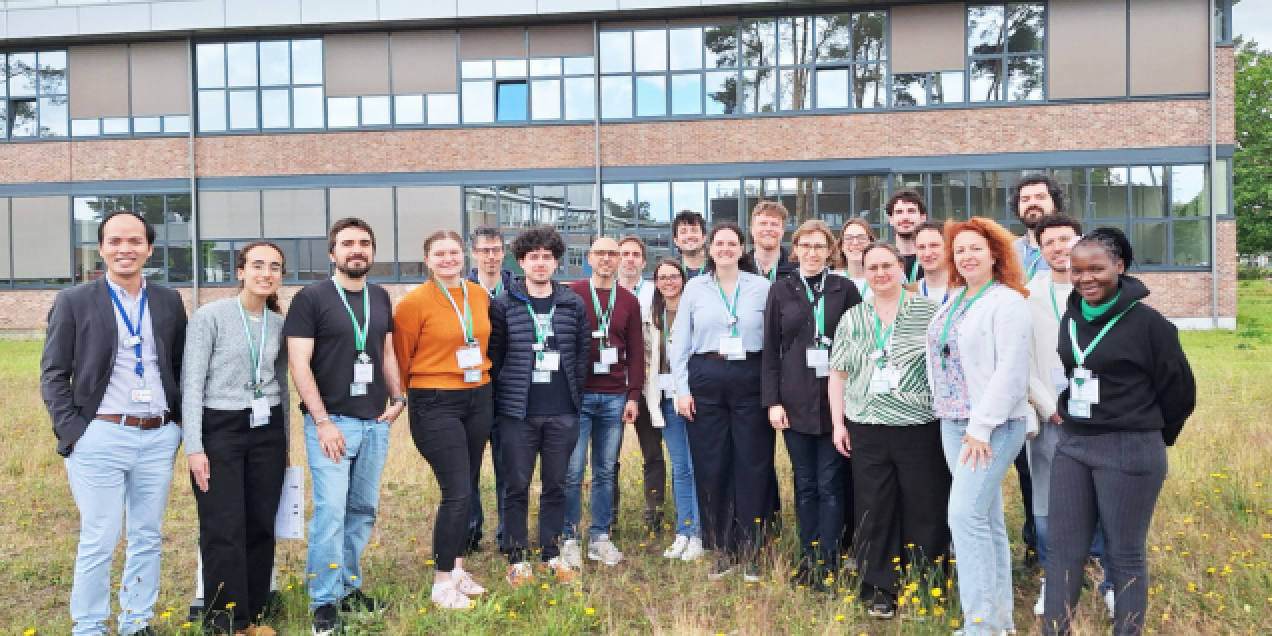
To tackle these problems, 26 partners from 12 countries are working together in a project that goes by the name FIC Fighters. "Phosphogypsum is currently being stockpiled in all parts of Europe, when it could be of considerable value in a circular economy. To give these lost materials a new life as soon as possible, we are bringing together industry, local authorities, research centres, citizens and SMEs," says Vanessa Montoya, the project leader at SCK CEN.
Reusing waste to produce paper, cement and batteries
The project starts will begin by carrying out a study of two different phosphogypsum treatment processes in Spain and Finland. Then, based on an optimised process, we show how valuable materials can be recovered without additional CO2 emissions. "Phosphogypsum, for example, consists of sodium sulphate, calcium carbonate, rare earth metals and other substances. You can reuse these in products such as paper, cement, batteries, magnets for wind turbines and detergents," says Vanessa.
Releasing landfills
The project will make it possible to carry out a true field test, thanks to the arrival of two mobile recycling plants. These will convert and reuse phosphogypsum from six countries, including Belgium.
"These are demo plants that set out to prove that recovery is technically possible. If we succeed, valuable pieces of land now covered with industrial waste will be released for other uses. That makes the project even more advantageous and thanks to our expertise, we can provide a cost-effective solution," concludes Vanessa.
What is SCK CEN's role as a nuclear expert in this FIC Fighters project?
-
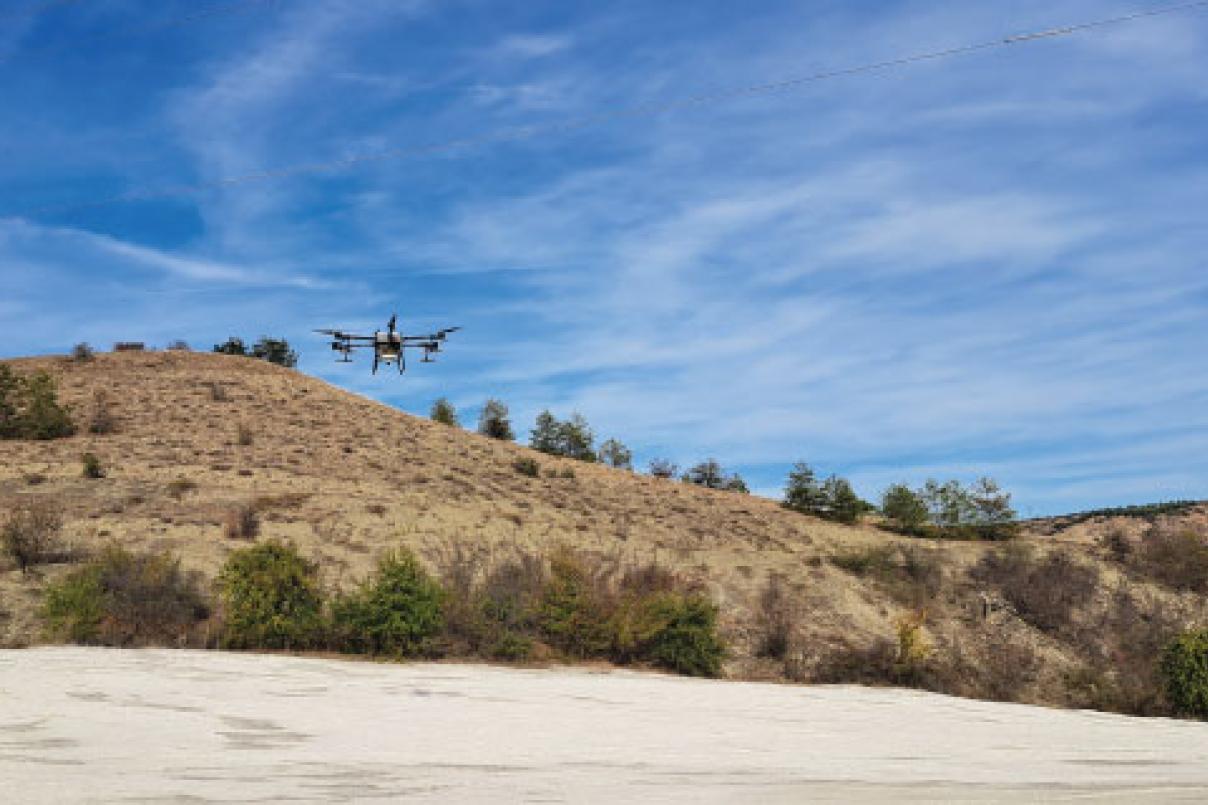
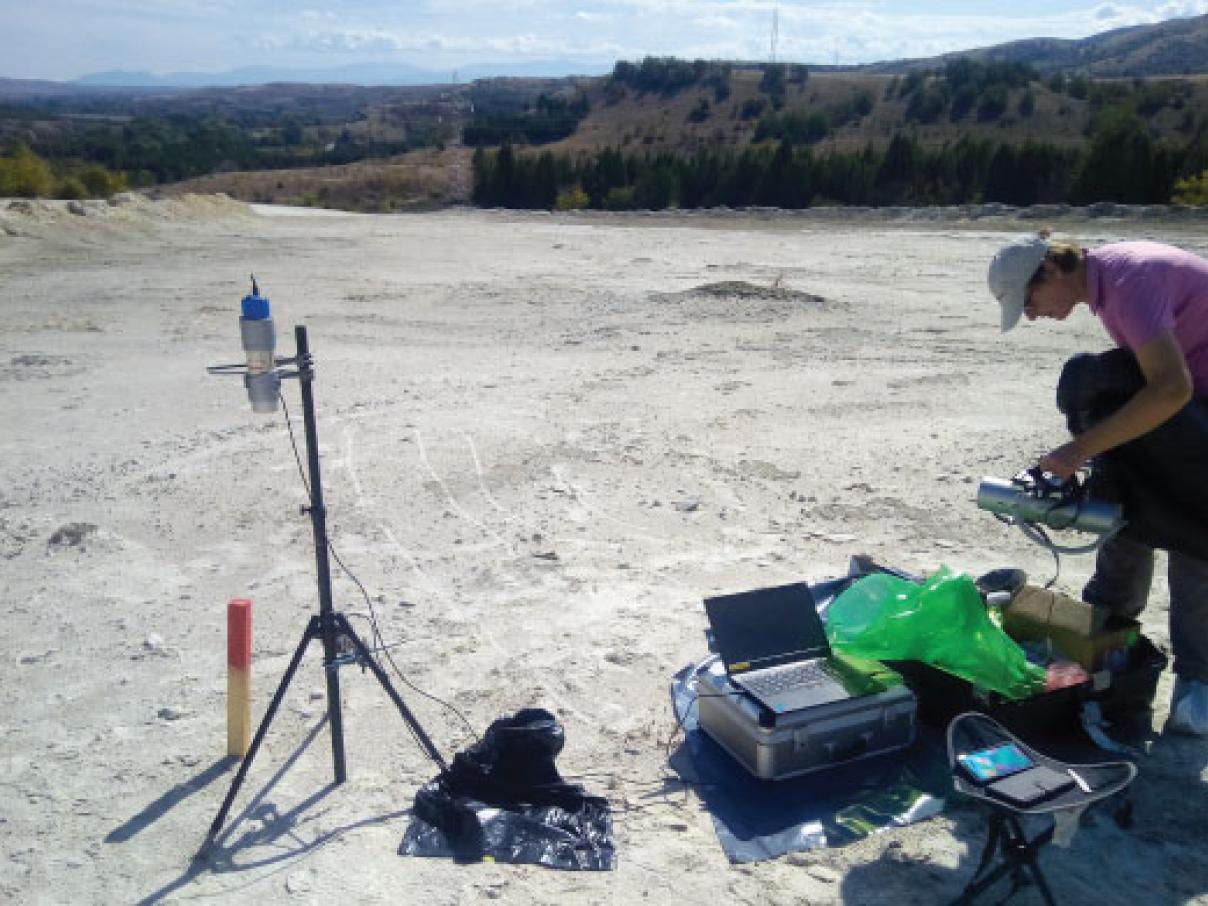
SCK CEN will use drones equipped with unique detectors and laboratory techniques to conduct detailed sampling and radiological characterization of phosphogypsum ponds. Phosphogypsum wastes occupy large areas in several European countries, leading to environmental concerns. By combining innovative aerial technology with cutting-edge analytical methods, we aim to provide a comprehensive understanding of the radiological profile and environmental impact of these site, as well as crucial safety information for the recycling methods developed within the project. These insights will form the basis of future protocols, which are essential for safely managing and processing this material throughout Europe.
-
SCK CEN will determine the radiological properties of the recovered materials emerging from the pilot plants. These analyses will determine whether these materials can be safely reused without health risks for humans and the environment.
-
SCK CEN will organise workshops and activities to improve the social perception of phosphogypsum recycling. Various stakeholders will get together to discuss the environmental and social impact of the project. SCK CEN will also help with scientific studies and communication to inform the public about the benefits and safety of phosphogypsum recycling.
About FIC Fighters
FIC Fighters stands for "Fair, Inclusive, Circular and Healthy cities: Valorisation of phosphogypsum wastes into commercial products through sustainable and circular processes" and will run from 2024 to 2028. The total budget for the project is €11.9 million, of which €10 million is being funded by the EU under the Horizon Europe Framework Programme.