News

Are nuclear power plants prepared for forest fires?
From the High Fens to southern Europe, images of forest fires have regularly dominated the news over the past few months. But what do fires like these mean for nuclear power plants? Are nuclear sites prepared for such situations? This question was put to our experts from the ‘Crisis Management and Policy Support (CMD)’ team as part of their scientific support for the European Emergency Response Coordination Centre (ERCC).
The short answer? Yes, nuclear power plants and nuclear sites are prepared for a wide range of external events, including fires in the immediate vicinity. This is not achieved through a single measure, but through multiple layers of protection and technical safeguards that work together to ensure the safety of the installation.
Chernobyl, 40 years on: from nuclear disaster to scientific knowledge base
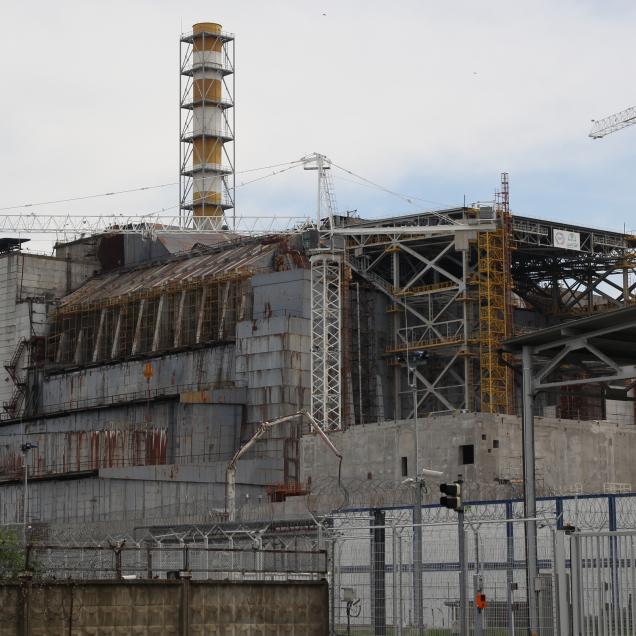
For forty years now, Chernobyl has been synonymous with the worst civil nuclear disaster in history. The accident in reactor 4 remains a crucial reference point for radiation protection and nuclear safety. In a comprehensive web dossier, the experts at SCK CEN bring together the scientific lessons learned from the disaster, to which the research centre itself has been actively contributing for decades.
Introducing RADAR: a brand new, highly versatile 3D ALARA software
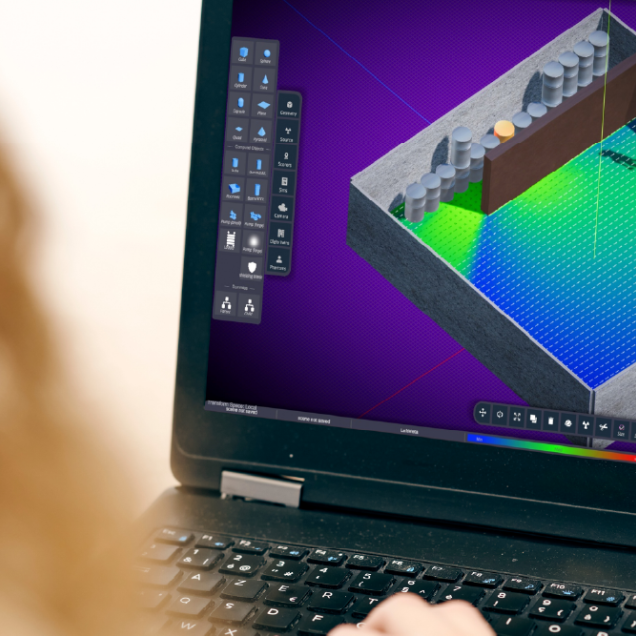
The nuclear industry is often misunderstood. Nuclear energy and other applications are seen as dangerous and harmful, fully negating any and all potential benefits. The risks are seen as much too great. Some of the assumptions aren’t wrong. Nuclear applications are varied, but all of them carry risks. It’s the job of organisations like SCK CEN to make sure we understand these risks and know how to tackle them safely. That’s exactly why we’ve developed RADAR. A brand-new tool to help people across this sector analyse, calculate, and visualise radiological areas of operation, calculate the exact radiation dose received by people, and determine the safest way of working.