Fact check: Where does the radioactivity in American wasp nest come from?
"Radioactive wasps cause scare in South Carolina". That was the headline in ‘De Morgen’ after workers discovered a radioactive wasp nest in July at the Savannah River Site, a former nuclear weapons production facility. The nest is an unusual spot for radioactivity to emerge, but there is a logical explanation behind every phenomenon. And this one? No leaking waste tanks or contaminated insects, but rather ecological processes in which radionuclides are transported and concentrated. Thanks to years of research into these mechanisms, the experts at SCK CEN, including Geert Biermans, can estimate where radioactivity is lurking - and most importantly, how we need to interpret it. To answer the question: where does the radioactivity in the American wasp nest come from?
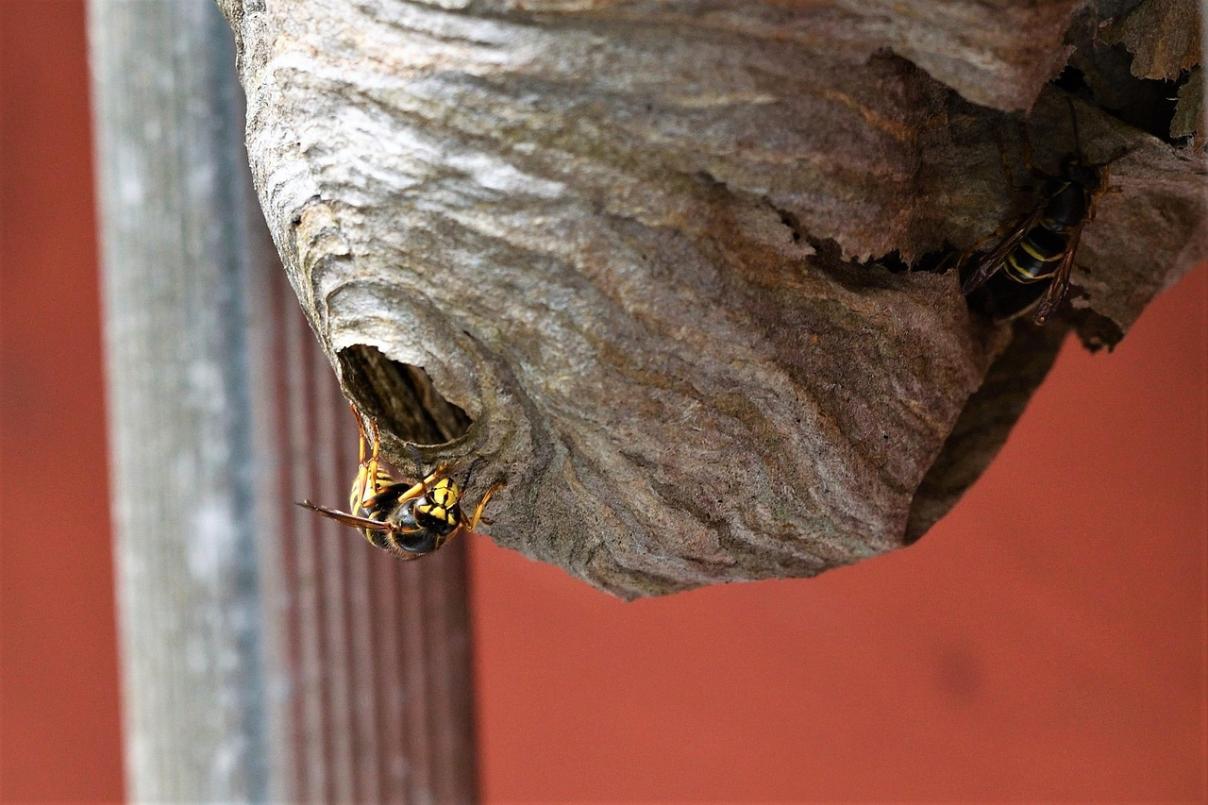
For decades, the Savannah River Site in South Carolina was a strategic site for the production of nuclear material for American nuclear weapons. Production ceased in 1988, but there are still 43 underground tanks of liquid radioactive waste at the site. During the summer, workers found a radioactive wasp nest on the site. It sounds alarming, but there is no need to panic. "It's not due to leaking storage tanks," Geert Biermans, site remediation expert at SCK CEN, reassures us right off the bat. "Wasps do not process liquid substances in their nest. They use wood from the surrounding area, and that is actually the source of this radioactivity."
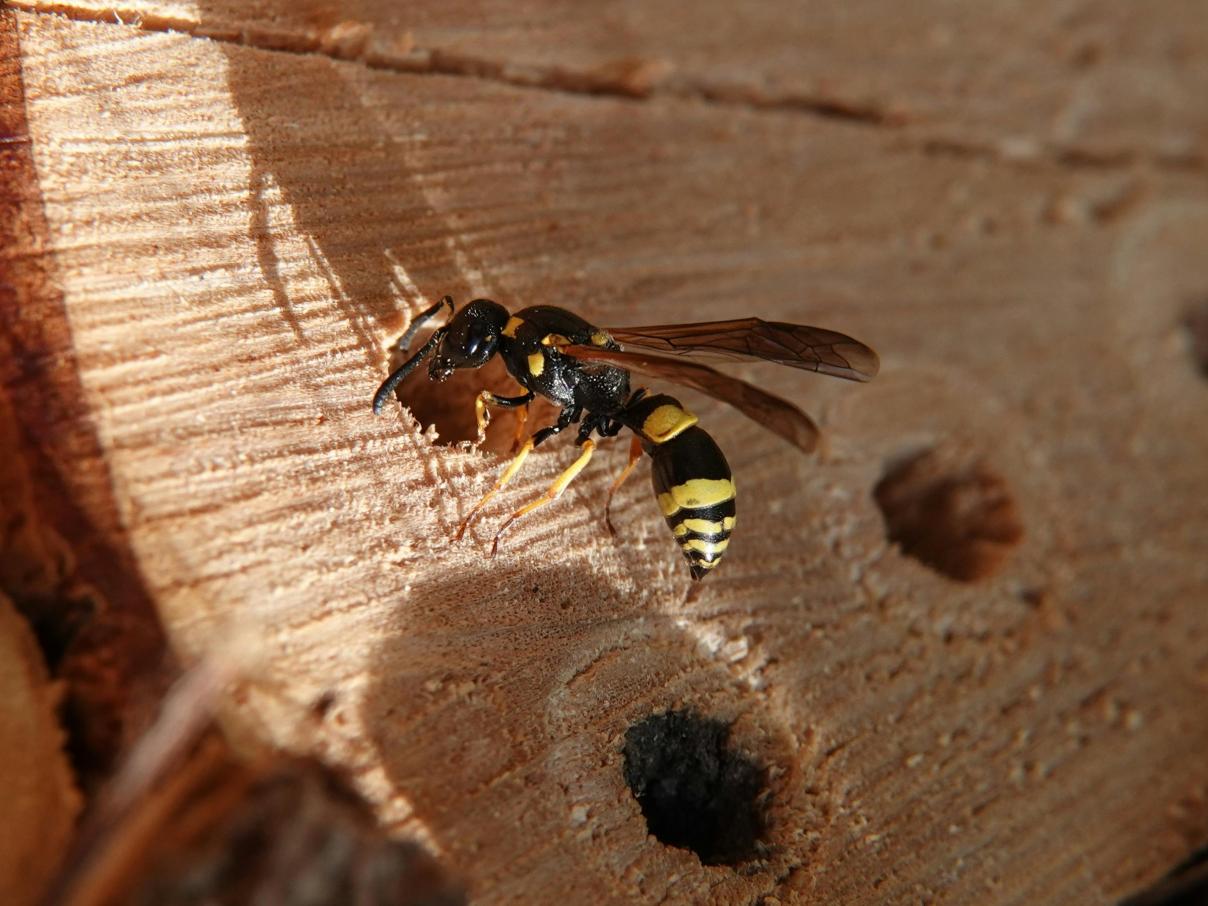
'Construction workers with contaminated raw materials'
In other words, not in the tanks, but in the landscape. How come? Geert Biermans explains: "Trees absorb nutrients from the soil, but any industrial activity can leave traces in this soil. The vegetation therefore also absorbs any contaminants, such as radioactivity. These substances then get into the trunk and branches. And these get a second life when wasps start building their nests," Geert Biermans continues. Wasps gnaw pieces of wood from (dead) trees and mulch them into fibres with their powerful jaws. They mix these fibres with saliva to form a kind of papier-mâché, which they use to build their nest layer by layer. "In so doing, they unwittingly incorporate radioactivity into their nest."
So what about the trees? "Trees contain a lot of water and that means any radioactive substances are diluted. With a wasp nest, the situation is different. Once the fibre pulp dries out and the water evaporates, what remains is a dry, paper-like structure. We measure an increased concentration of radioactivity in this dehydrated material." The nest material may be radioactive, but the wasps themselves are not. They are nothing more than 'construction workers with contaminated raw materials'.
Radioactive animals
The wasps only use the wood pulp as a building material and regurgitate the mulch - after mixing it with saliva. Unlike wasps, other animals do in fact eat contaminated food: Austrian wild boars and Norwegian reindeers. After the Chernobyl disaster, rain in Austria and Norway caused caesium to leach into the soil. Increased activity was subsequently detected in the wild boar and reindeer meat.
How was that possible?
-
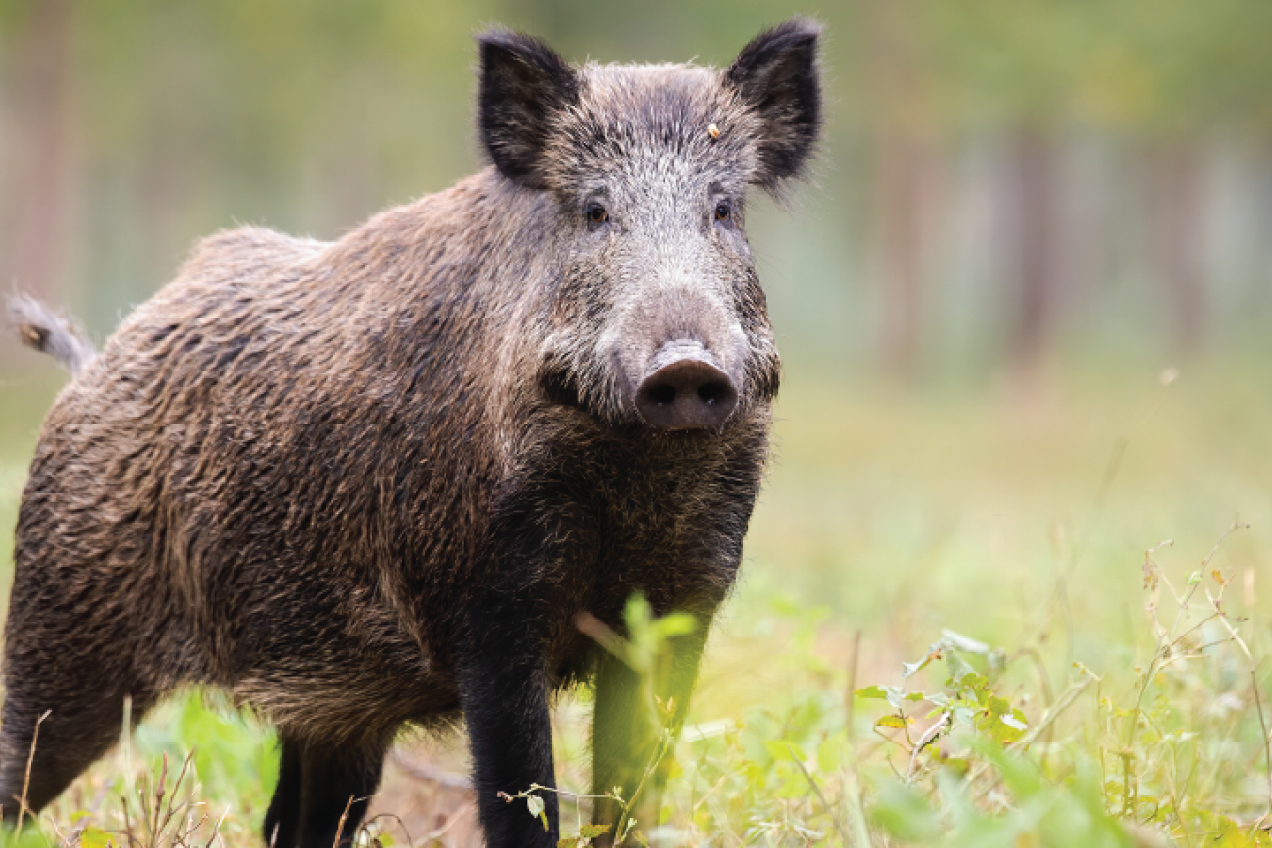
1. Wild boars in Austria
By eating their favourite food: truffles. Truffles absorb large amounts of radioactivity from the upper soil layer, i.e. where most caesium contamination can be found even to this day. Over the years, the caesium attaches itself to clay particles in the soil, making it harder for plants or mushrooms to absorb them. Moreover, there is strict control in the EU on these specific foodstuffs. "So we can eat a wild boar steak with mushroom sauce from Austria to our hearts' content," reassures Geert Biermans.
-
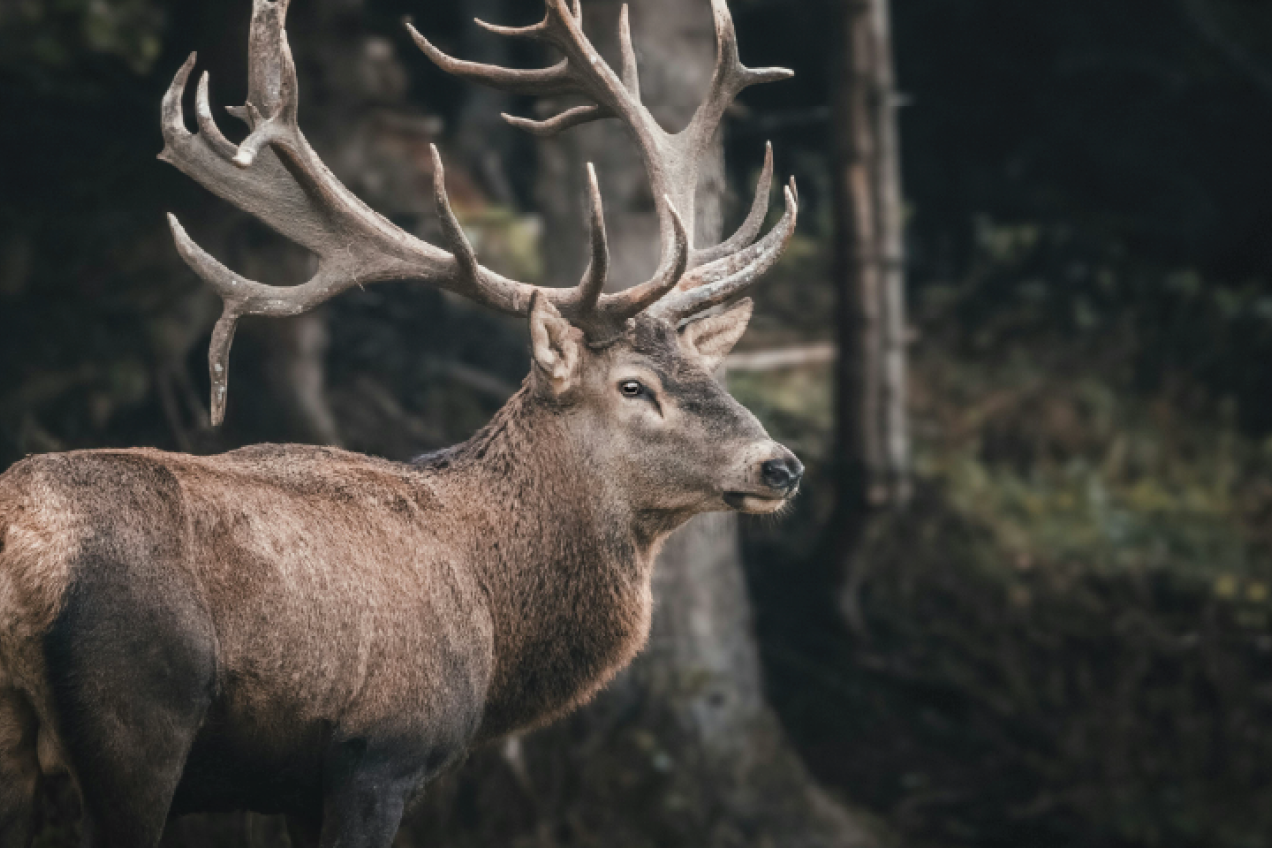
2. Reindeer in Norway
By eating lichens and mushrooms - the food of choice of Norwegian reindeer herds in winter. "During these periods, scientists observed a spike in radiation levels in reindeer," explains Geert Biermans. These days, radioactivity in most reindeer is back below European safety standards, partly because the Sami - the indigenous people of Lapland - have moved their grazing areas.
-

Site remediation: knowledge as leverage
The nuclear research centre SCK CEN is able to explain these phenomena thanks to its years-long studies into how radionuclides behave in the ecosystem and food chains. This knowledge is crucial when we want to remediate former nuclear sites. In the jargon, these are known as legacy sites. To work out the appropriate remediation options, SCK CEN first maps the site. The scientists then calculate the potential short-, medium- and long-term impacts of the contamination, before proposing suitable remediation options.
"The ultimate aim is to assess and minimise the radiological impact, always in compliance with legal guidelines. If the impact is significant, we need to use remediation techniques. For example, excavating, using soil additives or reforestation to immobilise radioactivity. As you have seen, we sometimes also use nature as an ally. That's why it's crucial that we understand and control these ecological processes very well. If you understand nature, you can also get it to help with recovery," he concludes.