
PhD Defense | Lena Van Dingenen | The gut microbiome-metabolome axis in colorectal cancer: implications for radio- and immunotherapy and faecal microbiota transplantation
Name: Lena Van Dingenen
Date: 7 December, 2026
Research output: Click here
Location:
Campus Drie Eiken, Building O, Room D.O.6.
Fort VI-straat 226-262
2610 Antwerpen
Teams link for online participation: will follow soon
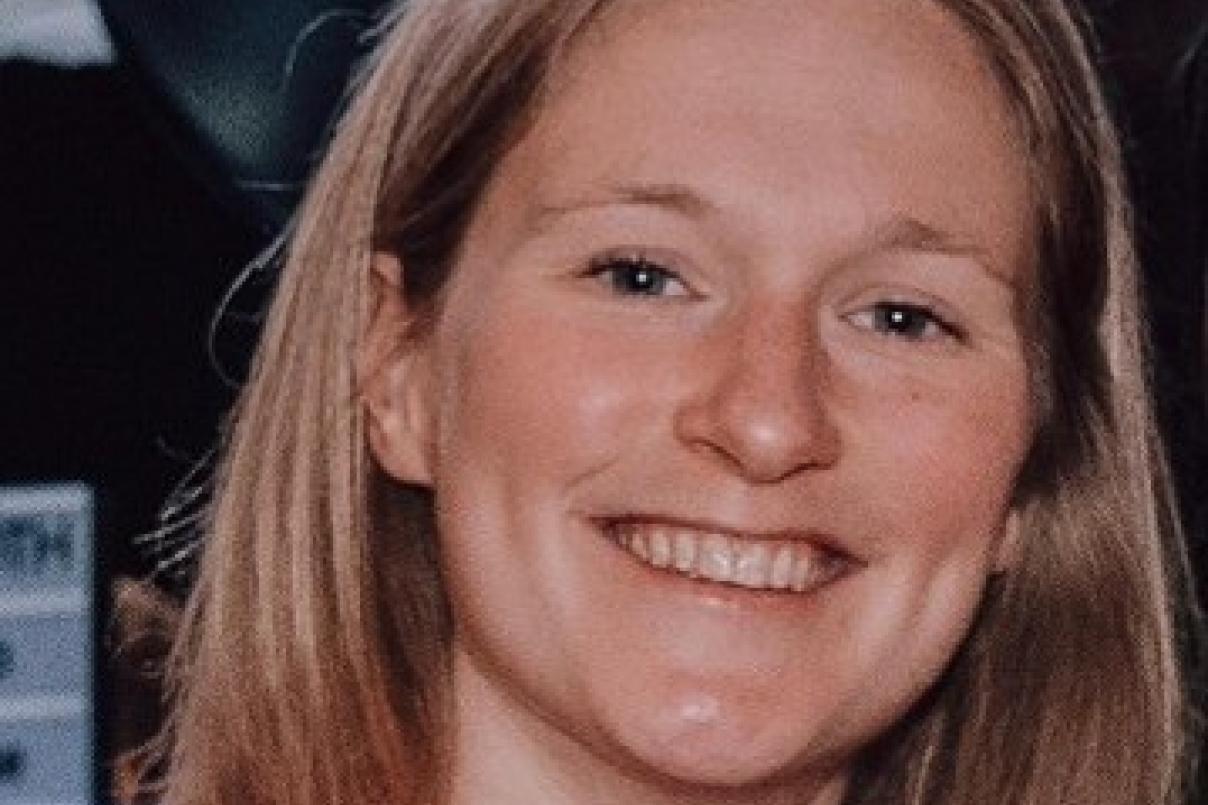
The gut microbiome-metabolome axis in colorectal cancer: implications for radio- and immunotherapy and faecal microbiota transplantation
Colorectal cancer (CRC) is one of the leading causes of cancer-related death worldwide. While radiotherapy and immunotherapy are increasingly used in CRC treatment, patients often respond differently and may experience significant side effects. Growing evidence suggests that the gut microbiome, the community of microorganisms living in the intestine, plays an important role in determining both treatment efficacy and toxicity. In addition, faecal microbiota transplantation (FMT) has emerged as a promising strategy to modulate the microbiome and improve health outcomes. This PhD research investigated how the gut microbiome and its metabolic activity influence responses to combined radio- and immunotherapy in colorectal cancer, and whether FMT could further enhance treatment outcomes. Using a preclinical mouse model of CRC, the first part of this work demonstrated that cancer development is associated with distinct changes in the gut microbiome, metabolome and lipidome. Several microbial and metabolic signatures linked to inflammation and tumour progression were identified, highlighting the importance of the baseline gut ecosystem in colorectal cancer research. The second part focused on the effects of combined radiotherapy and immunotherapy. The results showed that treatment response was strongly associated with specific microbiome and metabolome profiles. Mice with better tumour control exhibited an enrichment of beneficial bacteria and metabolites involved in immune regulation, tissue repair and the resolution of inflammation. These findings identify the microbiome-metabolome axis as a potential source of predictive biomarkers and therapeutic targets. Finally, the impact of FMT in combination with radio- and immunotherapy was evaluated. Although FMT did not further improve tumour control, it promoted beneficial microbiome and metabolic changes without compromising treatment efficacy, supporting its safety as a microbiome-targeted intervention. Overall, this research demonstrates the important role of the gut microbiome-metabolome axis in CRC treatment and supports the development of microbiome-based strategies to improve and personalise cancer therapy.
Promoters:
Prof. Dr. Surbhi Malhotra-Kumar, University of Antwerp
Prof. Dr. Samir Kumar-Singh, University of Antwerp
SCK CEN mentor:
Dr. Rob Van Houdt