
15 years since Fukushima
Today, 11 March 2026, we pause to reflect on an event that reshaped the global nuclear landscape. Fifteen years ago, the earthquake and tsunami in Japan triggered the accident at the Fukushima Daiichi nuclear power plant, a turning point that prompted countries worldwide to re-examine how we think about nuclear safety.
Therefore, experts at SCK CEN are launching a new web dossier today: clearly structured, accessible to read, and designed to deepen the understanding of Fukushima’s lasting impact. The dossier brings together key insights, outlines the role SCK CEN played at the time and continues to play today, and shows how the events in Fukushima continue to shape research, safety and innovation.
The story behind the headlines
What happened during those crucial hours? How did Japan tackle the enormous clean‑up operation? And how does Fukushima continue to influence today’s safety standards, technologies and research?
Because we at SCK CEN believe it is important to keep the lessons of Fukushima sharp, we are launching a web dossier today. The accident remains a key reference point for our research on nuclear safety, emergency preparedness, radiation protection and innovative decontamination technologies. It exposed vulnerabilities worldwide, accelerated technological progress and pushed safety standards to a higher level. With this web dossier, we highlight that impact: not only what happened then, but also how those events continue to shape today’s research and decisions.
What is the web dossier about?
-
On 11 March 2011, the earthquake and tsunami caused a complete loss of power at Fukushima Daiichi, disabling the cooling systems of several reactors. This led to three core meltdowns, hydrogen explosions and releases of radionuclides into air and water. In the years that followed, SCK CEN investigated tritium levels in water samples and analysed radioactive substances through international measurement campaigns, including the IAEA‑driven ALMERA programmes.
-
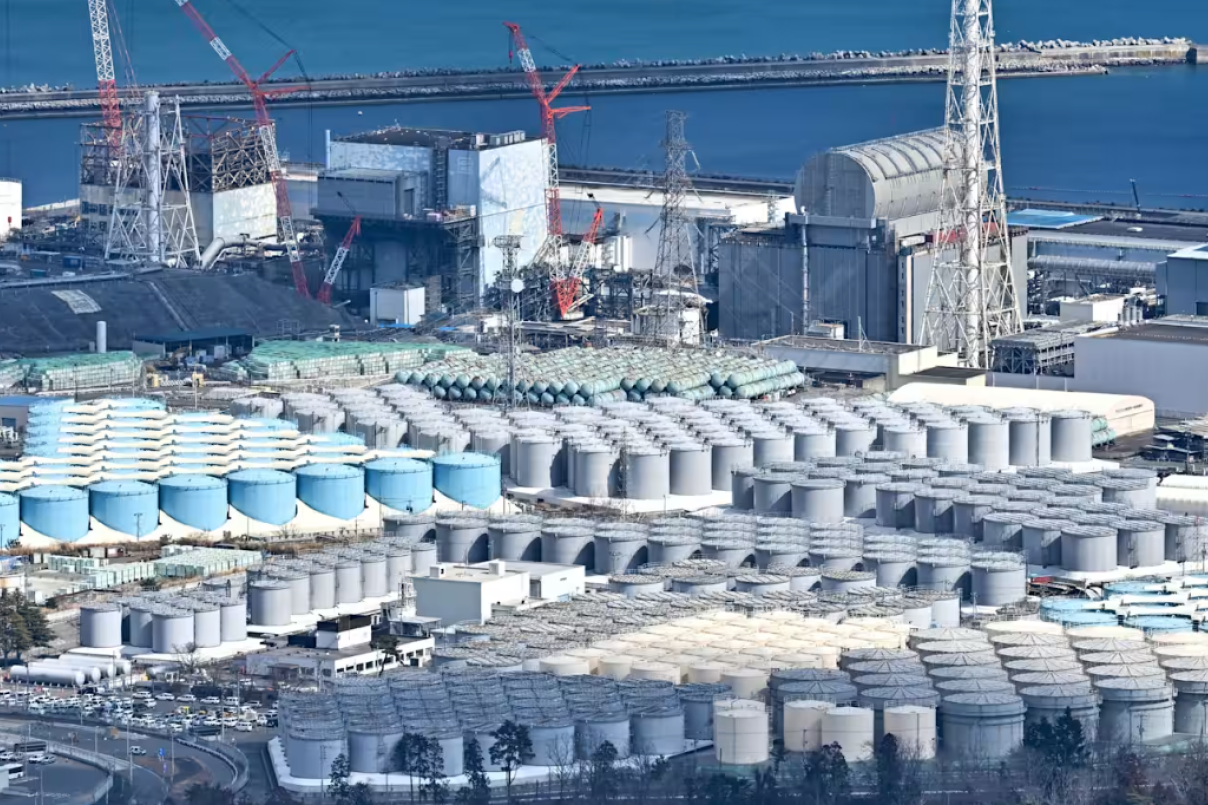
Japan carried out one of the largest decontamination efforts ever undertaken: millions of cubic metres of soil and vegetation were removed, areas were gradually reopened and residents returned step by step. At the same time, a long-term dismantling process is ongoing and is expected to continue until around 2051.
Since 2023, treated water from the plant has been discharged into the ocean under strict control. International teams, including SCK CEN experts from the Low-level Radioactivity Measurements and Impact & Site Remediation groups, collect water samples on site and analyse them in Belgium to ensure safety and transparency. -
Fukushima led to stricter stress tests worldwide, new requirements for flood and earthquake resilience, improved backup power systems and a renewed focus on passive safety systems that function without electricity or human intervention. The need for transparent communication and independent monitoring also became clear, principles reinforced in the IAEA’s follow‑up programmes, in which SCK CEN is a trusted and long‑standing partner.
-
From the outset, SCK CEN provided international support in assessing radiological consequences. Our ISR and LRM teams played a key role: from early modelling of dispersion and exposure, to years of environmental and water sample analysis, to today’s work as an independent expert in IAEA missions focused on sampling and verifying the treated ALPS water.
This continued involvement confirms SCK CEN’s reputation as a reliable and independent reference in radiation protection and environmental monitoring.
Remembering to move forward
Fukushima remains a reminder that learning, adapting and improving never stops. With this retrospective, we aim to offer context and understanding, and to show how the lessons of 2011 continue to shape a safer nuclear future.
Dive into the full story