
The LINAC@LNK project
From radioactive waste characterization to medical metrology
Multidisciplinary research
The main goal of this project between SCK CEN (The Belgian Nuclear Research Centre) and ONDRAF/NIRAS (The Belgian National Agency for Radioactive Waste and enriched Fissile Material) is to further develop and extend an existing and unique research infrastructure, the Laboratory for Nuclear Calibrations (LNK), located in the SCK CEN facilities in Mol, Belgium. The aim is to expand and test new research applications by adding a refurbished medical linear accelerator (LINAC) for:
- low-level radioactive waste physo-chemical characterization,
- research on radioactive waste characterization
- dosimetry calibration, and
- dosimetry research.
Advantages
The advantages of combining radiotherapy calibrations with waste characterization at a single LINAC within the existing LNK facility are multiple.
- The LINAC can be accommodated in an already existing building, omitting the need to build a new specialized facility for the research purposes.
- The use of the LINAC can be optimized to perform both activities (waste characterization and dosimetry applications) at one single location, as the LNK is suited to accept radioactive waste drums.
- The project foresees the installation of a refurbished (second hand) medical LINAC, which would enable both calibrations and imaging at a relatively cheap price (˜10% of the cost of a new industrial LINAC).
Since medical LINACs can operate at multiple energies, it opens the door to new applications and R&D to allow material identification in dense radioactive waste drums.
Reuse at its best
The project was granted earlier in spring. Meanwhile, the preparations to run a pilot are ongoing and the tender to find the right LINAC supplier will be launched this winter (2023). It will be an extraordinary tender, given the desired reuse of the LINAC.
“The reuse of equipment is special, but the real uniqueness lies in the opportunities for Europe. First, this can mean a world of difference in nuclear medical applications where precise calibrations are really a must. Secondly, SCK CEN and ONDRAF/NIRAS will be additional players in the European market that can perform such specific characterizations of radioactive waste drums. Currently, the only place to go is CEA in France,” explains Ana Vaniqui, project leader of the LINAC@LNK project.
Research topics in a nutshell
-
New applications in dosimetry and calibration expertises
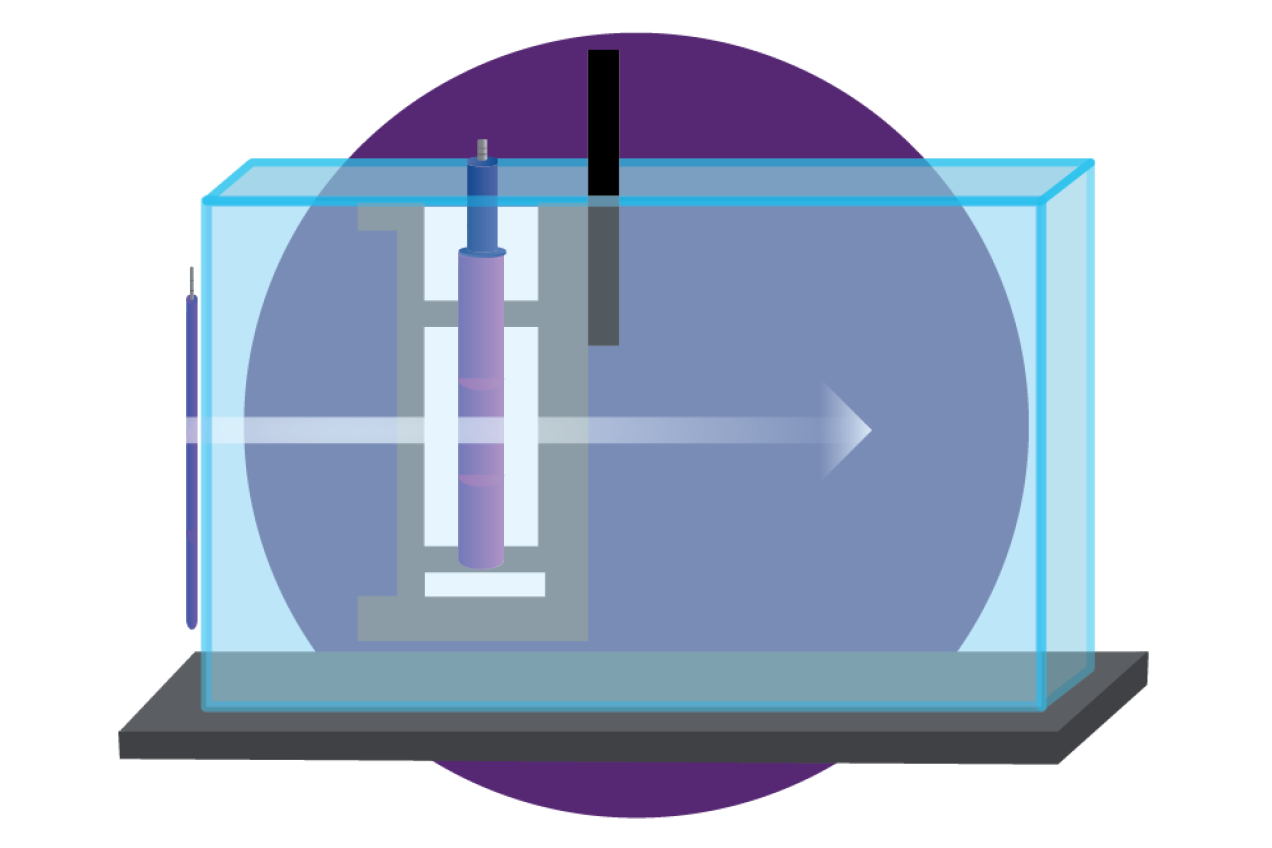
Radiotherapy serves as a primary therapy for cancer patients today. Achieving successful outcomes rely on administering an accurate dose of radiation. To maintain this precision, meticulous calibration of the LINAC, which emits the radiation beam, is imperative. Presently, Cobalt-60 is employed as a reference for calibration purposes. Nonetheless, Cobalt-60 possesses lower energy levels compared to the radiation beams employed in clinical settings, necessitating corrections and introducing an element of uncertainty to the therapy process.
LINAC@LNK, an initiative led by SCK CEN, strives to improve radiotherapy calibration by eliminating potential error margins. The ultimate goal is to establish a precise calibration method for radiotherapy treatments. Additionally, the utilization of a LINAC opens up avenues for advanced research in radiotherapy and dosimetry. This includes exploring dosimetry at the cellular level, enabling a deeper understanding of radiation mechanisms, and developing novel detectors to enhance quality assurance protocols. Through these advancements, LINAC@LNK seeks to drive progress in the field of radiotherapy and improve patient outcomes.
-
R&D to enable material identification in radioactive waste drums
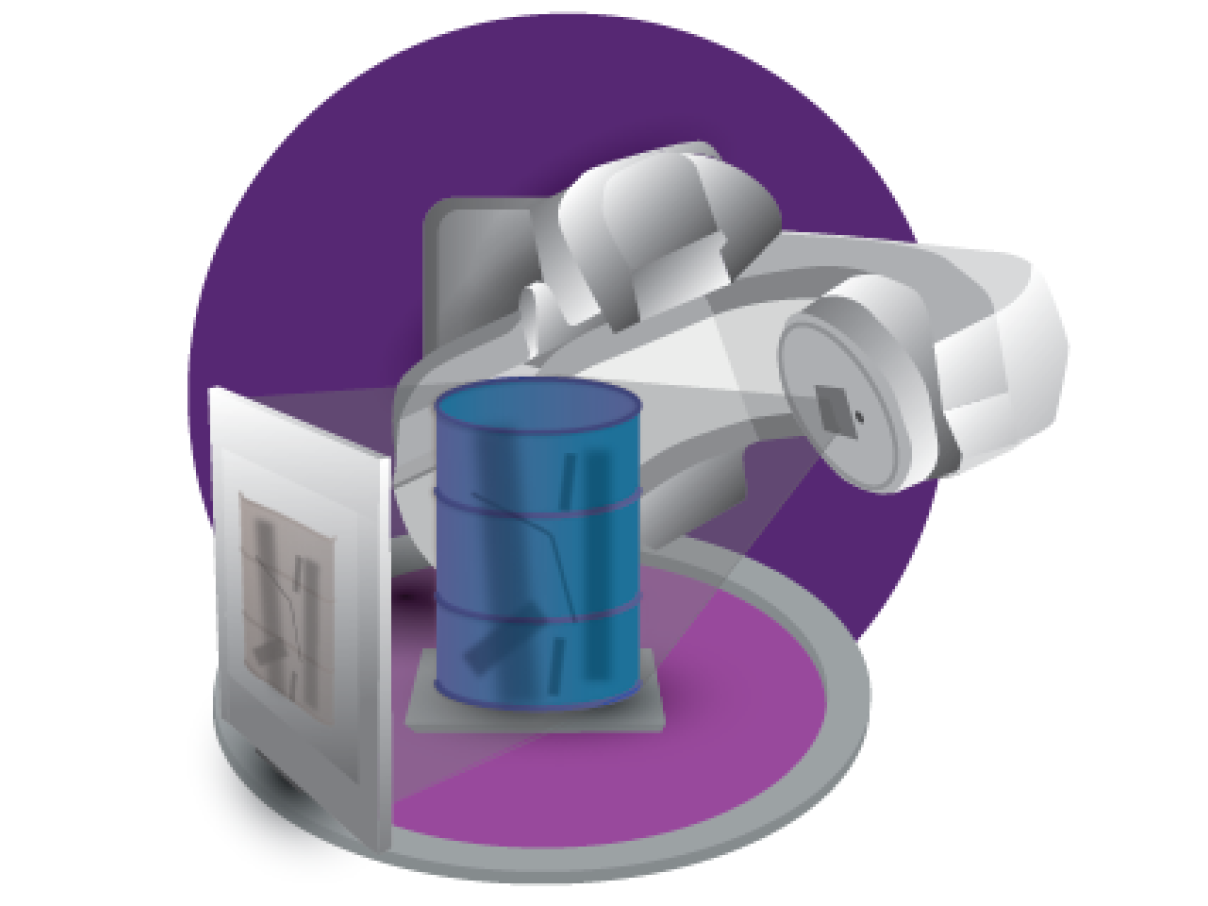
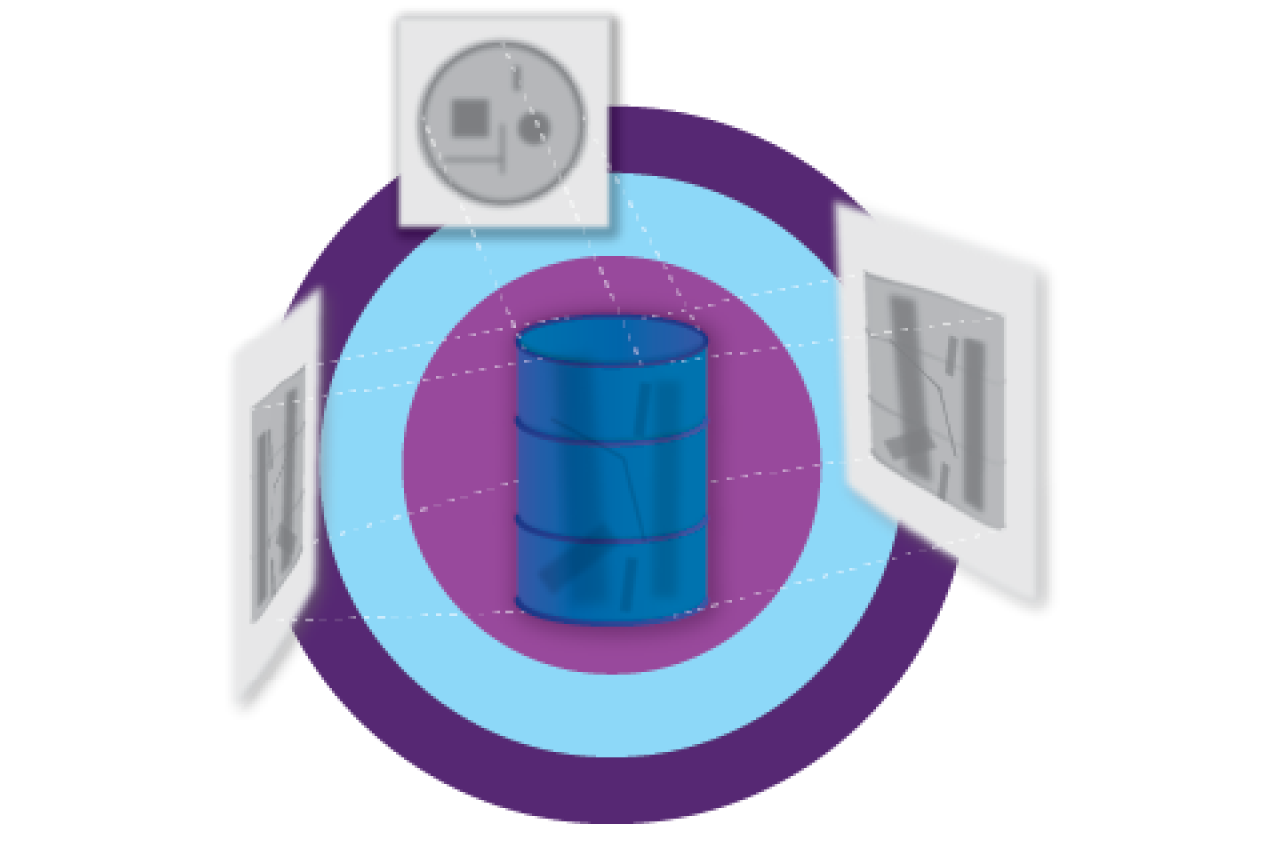
The arrival of the medical LINAC also presents a unique opportunity for supporting ONDRAF/NIRAS in their management of low- and intermediate- level short-lived radioactive waste in category A disposal facility. This site is expected to receive numerous conditioned waste drums that are currently temporary stored at Belgoprocess. Prior to final disposal, it is crucial to verify that these waste drums are compliant with the conformity criteria of the disposal facility. In order to achieve this, efficient and cost-effective control tests are necessary, involving high-energy CT scans to visualize the contents of the waste drums. Although similar scans and tests are already performed in France, at CEA (Commissariat à l'énergie atomique et aux énergies alternatives), using a LINAC, such capabilities are currently unavailable in Belgium and the rest of Europe due to the absence of a facility with this technology.
The acquisition of the medical LINAC changes this scenario, as its technical specifications, including the maximum dose rate and collimator aperture, are well-suited for conducting the high-energy CT scans and measurements. Furthermore, the facility has the potential to facilitate additional research with the aim of investigating whether multiple-energy irradiation can provide supplementary information about the chemical composition of the conditioned radioactive waste drums. This development not only addresses the immediate need for low and intermediate-level short-lived radioactive waste compliance but also paves the way for enhanced exploration and understanding of waste characterization using advanced radiation techniques.
Challenges & objectives
LINAC@LNK will address fundamental societal challenges from at least two different areas of expertise: 1) radioactive waste management, considering a safe disposal of waste along with the sustainable dismantling of nuclear power plants, and 2) medical dosimetry for safe radiotherapy treatments with a reliable radiation dose that promotes cure with minimal side effects.
LINAC@LNK will tackle these challenges by focusing on four concrete objectives:
-
The first objective, radioactive waste characterization is an important and high-priority societal matter, as radioactive waste has to be characterized before it can be safely disposed of. In Belgium, ONDRAF/NIRAS is responsible for the management of radioactive waste coming from industry, medicine, research and nuclear power plants. One of their responsibilities is the establishment and operation of a near-surface disposal facility for category A waste, which comprehends low- and intermediate level short-lived radioactive waste. Prior to disposal, radioactive waste needs to be processed and conditioned into a solid, compact and chemically stable end product. It is conditioned in 400-L drums that contain both the waste form and any container and internal barriers, as absorbing and liner materials, which makes it hard to characterize. Currently, all drums are temporary stored at Belgoprocess, pending final disposal. Since these drums have been stored there for decades, it is extremely important to verify whether they are compliant with the category A waste conformity criteria.
Identification of the waste drum content and verification of its materials and internal structure are fundamental requirements to ensure a safe and final disposal. Compliance verification is performed by means of both destructive and non-destructive analytical methods. However, it is often not possible to verify a large number of waste drums since only expensive, time-consuming, destructive testing might be available for the necessary controls. To increase the systematic quality control, different installations have established non-destructive testing methods. Non-destructive testing methods are used in order to minimize the radiation dose to personnel, to avoid secondary radioactive waste production
and to minimize costs. With this method, the extent of the destruction of a waste drum can be reduced to the minimum. Furthermore, with destructive testing, there is always the essential question of taking a representative sample, especially for heterogeneous waste. In view of this, one of the main needs for the compliance verification of low-level radioactive waste is the development of new non-destructive methods especially for the verification of the compliance of conditioned (high-density) waste packages.A number of non-destructive methods for quality and compliance checking of radioactive waste packages are currently being developed and tested. The EU-funded project CHANCE (Characterization of conditioned nuclear waste for its safe disposal in Europe) aims at identifying characterization methods across Europe and developing instrumentation for muon tomography, which is suited for large volume radioactive waste packages. The French Alternative Energies and Atomic Energy Commission (CEA) has set up a unique state-of-the art facility that uses megavolt-computed tomography (MV-CT) for the evaluation of waste packages.
MV-CT is an advanced imaging technique, suitable for conditioned waste inspection that provides crosssectional visualization of the waste packages. Several properties can be verified using this method, such as the position and shape of the different radioactive waste components, their homogeneity, density, the quality of immobilization matrices, the presence of voids, cracks, internal shields, metal structures, liquids, containers, etc. Medical CT scanners use energies high enough to traverse humans but incompatible with dense waste packages. Medical LINACs on the other hand, produce photons with high intensity and energy, suitable for this application. However, the use of MV-CT is currently not possible in Belgium due to a lack of expert facilities. LINAC@LNK proposes an innovative and multi-disciplinary approach to characterize waste packages from ONDRAF/NIRAS using MV-CT.
-
Within the recently launched RRF ANUBIS project (Recovery and Resilience Facility - Advancing NUclear dismantling in Belgium through Improving Sustainability), we are building a research, development and demonstration (RD&D) facility and accompanying installations to support innovation of decommissioning practices in Belgium. One of the main goals is to improve, (further) develop, test, validate and qualify radiological waste characterization methodologies. The focus is on methodologies dedicated (a) to release materials and (b) for the safe disposal of radioactive waste. Research regarding characterization methodologies for determination of physico-chemical properties of conditioned waste drums, is still a missing part.
Medical LINACs are provided with a range of energies that enable exploratory RD&D for radioactive waste identification, our second objective. Additional information on the content of the conditioned waste packages can be obtained with dual-energy MV-CT. This technique is broadly used in the medical field to determine material composition within patients and increase the accuracy of dose calculations. Based on international experience, a LINAC with two energies allows achieving additional information on the (effective) atomic number Z, which greatly improves the identification of the materials of which the waste is composed of. Currently, new developments are underway and are still needed for the application of dual energy X-ray imaging to characterize the physico-chemical content and structure of dense waste packages. Thus, a new research line on material characterization will be established. This research will be of interest for all countries, which are confronted with the issue of low-level waste disposal.
-
Beyond the provision of novel services for non-destructive waste characterization, LINAC@LNK proposes a state-of-the-art approach to another fundamental societal matter, our third objective, radiotherapy dosimetry. Cancer is the second leading cause of death worldwide, responsible for one in six fatalities, according to the World Health Organization (WHO). In 2020, there were over 18M cancer patients worldwide, of which 2.7M were new cases. It is estimated that 50 to 60% of the oncology patients undergo radiotherapy as a part of their treatment aiming to irradiate tumours with ionizing radiation and kill cancer cells while safeguarding healthy tissues. The latter, especially near the tumour, unavoidably receive a part of the radiation dose and may suffer damage, which can lead to side effects. The treatment outcome, i.e. from cure, permanent side effects to death, strongly relates to the delivered dose of ionizing radiation, hence it is paramount to ensure efficacy on malignant tissues and low toxicity on healthy ones, to eradicate cancer cells and to minimize the risk of severe side effects. The most fundamental step to achieve successful radiotherapy is to demonstrate routinely and consistently that the radiation dose planned for the treatment and the radiation dose actually received by the patient coincide to the maximum possible extent.
Radiation dosimetry refers to the measurement, calculation and assessment of the ionising radiation dose absorbed by the human body. The International Commission on Radiation Units and Measurements (ICRU) recommends an overall accuracy in radiotherapy dose delivery of 5%, which can be complex to achieve when all the uncertainties are considered.
LNK is the designated metrology laboratory in Belgium for the ionizing radiations, sub-field of dosimetry, and performs secondary standard calibrations and irradiations with ionizing radiations following the requirements of ISO-17025 quality assurance (QA) standard. LNK is a member of the Belgian Metrology Network (BELMET), of the European Association of National Metrology Institutes (EURAMET), a collaborative alliance of national metrological organizations from member states of the European Union (EU) and of the European Free Trade Association (EFTA) with the purpose of achieving higher efficiency by coordinating and sharing metrological activities and services. LNK is also member of the International Atomic Energy Agency (IAEA)/WHO Network of Secondary Standards Dosimetry Laboratories (SSDL Network) and has participated in multiple EU projects and initiatives to disseminate dosimetry practices.
At the LNK, calibration coefficients are determined using a Cobalt-60 gamma radiation source. However, clinical external beam radiotherapy is mostly delivered with megavolt (MV) photon or electron beams produced in medical LINACs, which have different characteristics. When an ionization chamber (IC) is used in a radiation beam of a quality different from the one of its own calibration, a beam-quality correction factor is necessary; adding to the uncertainties on measurements and consequently to patient dose. Ideally, the beam-quality correction factor should be directly measured for each dosimeter at the same quality as the clinical beam. However, this currently is neither achievable at the LNK nor in most calibration facilities worldwide, as the laboratories do not have a LINAC to create the appropriate range of beam qualities used in radiotherapy.
A state of the art solution is to use a medical-grade LINAC for calibrations to ensure that radiotherapy equipment is properly calibrated for accurate, reliable and effective cancer treatment. Only a few installations around the world have this capacity being the National Physical Laboratory (NPL), United Kingdom (UK), the National Metrology Institute of Germany, PTB, the French National Metrology Laboratory for Ionizing Radiation, LNHB, and the laboratories in Austria of IAEA. In Belgium, such calibration capabilities are currently missing.
-
Besides the precise dosimetry and the likelihood of smaller uncertainties, a medical LINAC installation will benefit clinical dosimetry and research in multiple ways, our fourth objective. Modern radiotherapy uses radiation fields of different sizes and intensities to conform the radiation dose to the tumour shape and avoid surrounding healthy structures. Small radiation fields, fields with complex and irregular shapes and large dose gradients are increasingly used but do not comply with the reference conditions for dosimetry. Safe treatments with reliable dose measurements and low uncertainty require the development of dosimetric processes to be used under such conditions. Such development in a facility with a dedicated expert team and, in partnership with the radiotherapy departments is an innovative collaborative approach that benefits the clinical practice.
Research on QA dosimeters, on radiation effects in (non-)malignant tissues, on combination with other therapeutic strategies; they are all prolific research fields in the physical and radiobiological domains that can benefit from this project. Such research is already partially ongoing in several teams (including the SCK CEN research groups). However, this research is hampered by the lack of irradiation possibilities. As medical LINACs are only available in hospitals, where they are dedicated to patient care, research time is limited by the busy schedule of radiotherapy departments. This restricts measurement and testing possibilities, narrow the amount of time to late hours and often require rescheduling or adaptation. The heavy use of the machines for treatment delivery also affects their availability for training programs for specialists such as Medical Physicists in training. Thus, having a LINAC assigned to radiation dosimetry and research will leverage the LNK, as a unique Belgian installation, to advance cancer and biomedical research and to stand out in an international scope.
📣 Please reach out to us to discover how you can get involved or to gain insights into our projects. 🌟