
Safety and Performance Assessment
Towards a safe and optimized waste disposal system
The objective of safety and performance assessment is to support the safety case of radioactive waste disposal facilities by providing scientific and technical argumentation with a purpose to underpin the decision making at every step in the licensing process of such a facility.
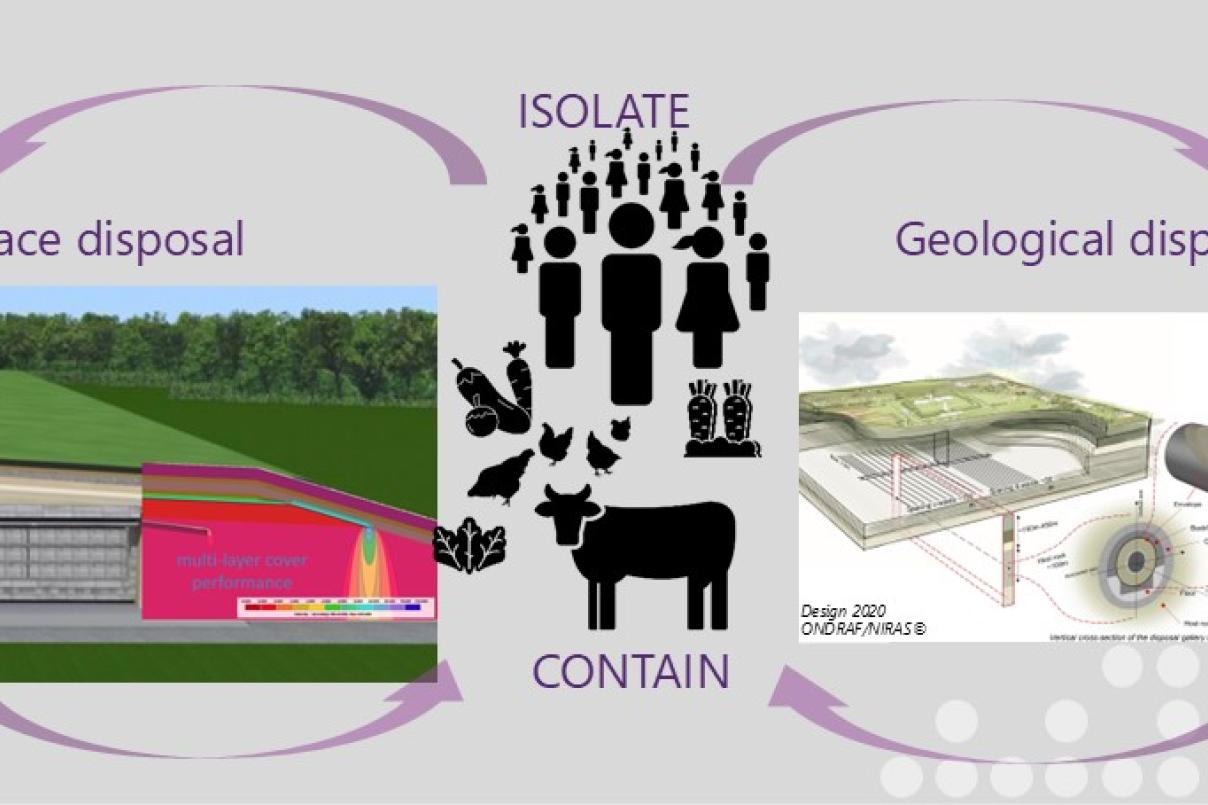
At SCK CEN, we provide expert support in developing safety cases for surface, near surface and geological disposal, backed by decades of experience in safety and performance assessment. Our modelling expertise can help optimize disposal system designs to maximize long-term safety and efficiency.
To maintain our expertise, we actively participate in national and international projects, collaborate with leading safety assessment groups and international organizations, and stay at the forefront of global advancements in safety methodologies and process integration.
How do we work?
4 key points for long-term safety evaluation:
- Demonstration of safety
- Assessment of defense in depth
- Diposal system optimization
- Sensitivity and uncertainty analysis
All while implementing our modelling strategy, comprized of three integrated compartment models.
-

1. Demonstration of safety
Safety analysis ensures that the radiological impacts meet relevant safety (dose/risk) criteria, under all relevant and plausible conditions, considering all uncertainties.
-

2. Assessment of defense in depth
Performance analysis is used to evaluate the overall containment and isolation capacity of the disposal system and of individual systems, structures and components (SSCs), considering all plausible radionuclide release scenarios.
-
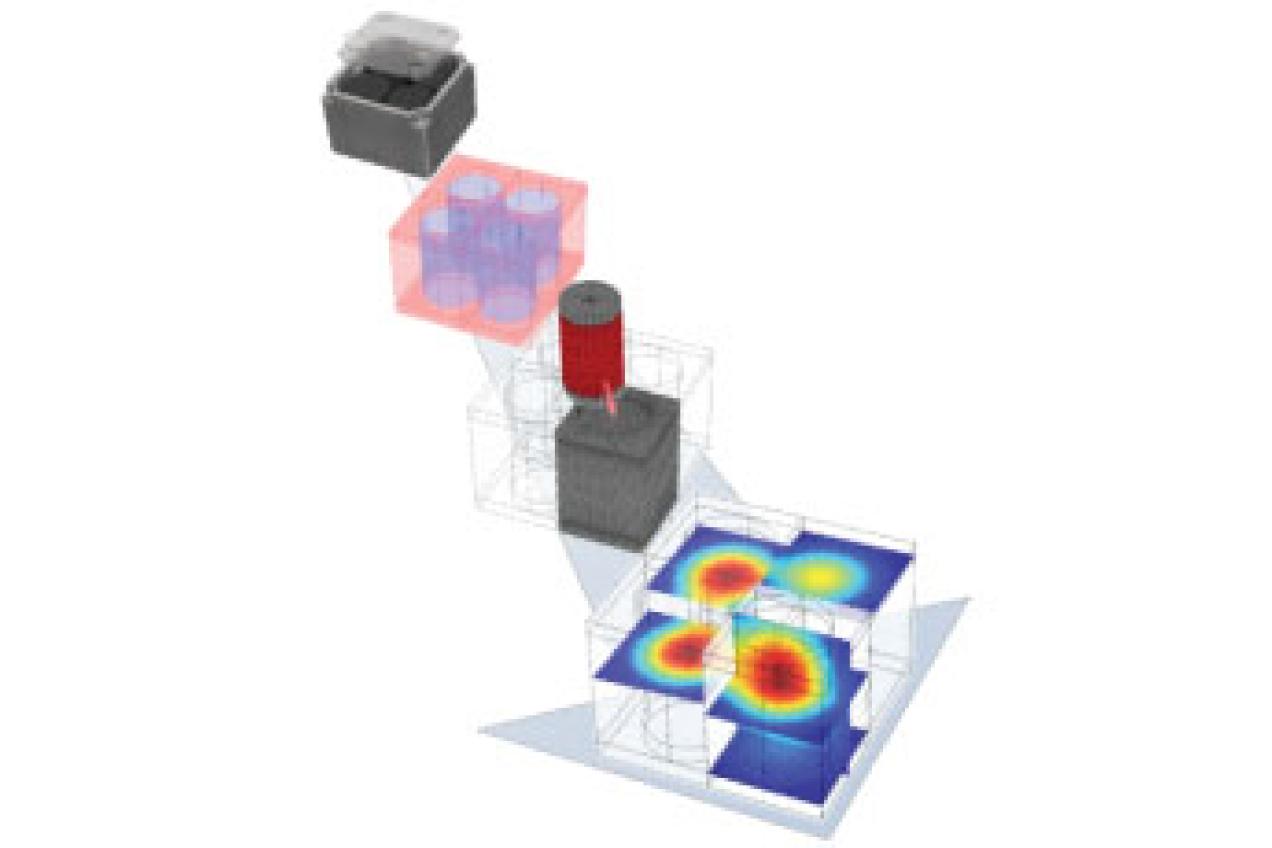
3. Disposal system optimization
The disposal system can be optimized by a detailed understanding of its behavior. The use of multiple lines of reasoning, among which performance analysis, is required to evaluate different disposal options and to demonstrate the understanding of the disposal system.
-
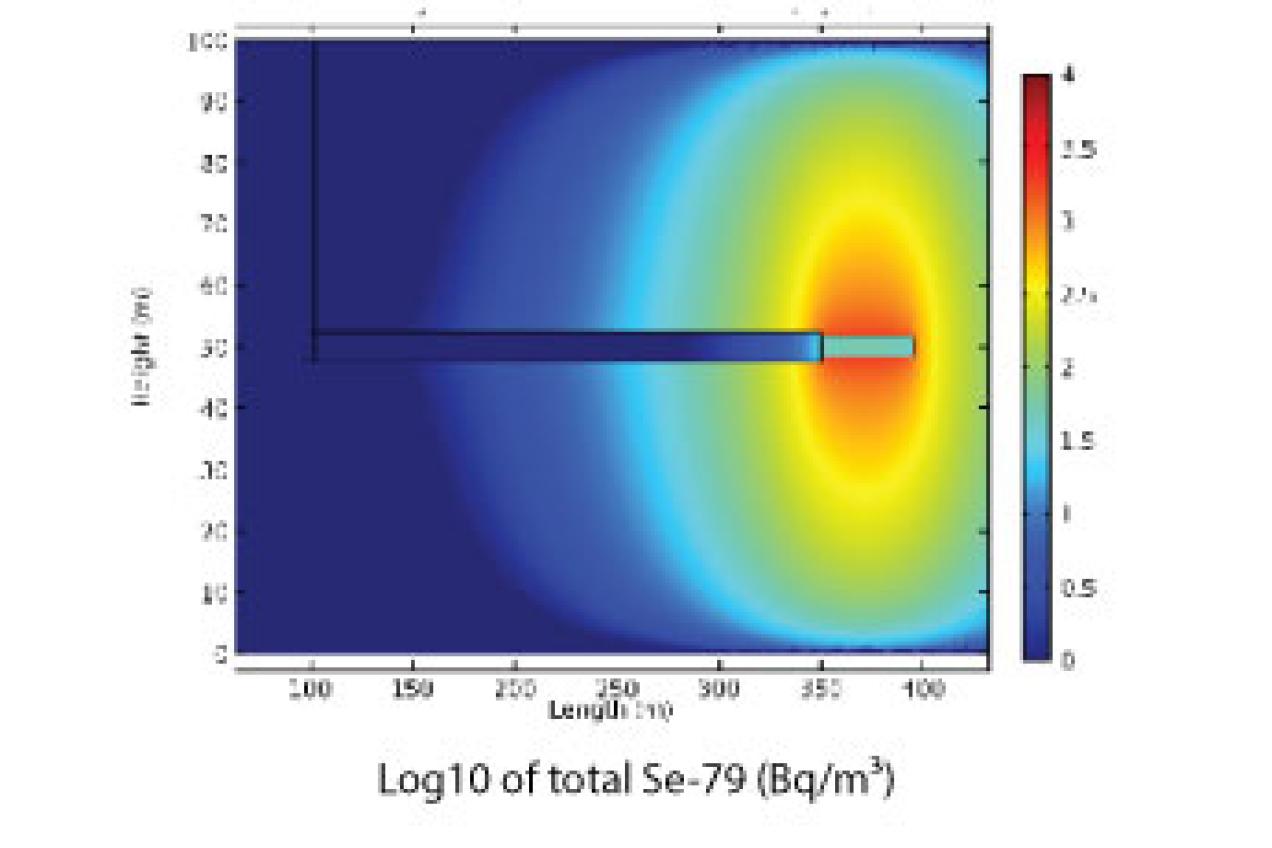
4. Sensitivity and uncertainty analysis
The understanding of the performance of the disposal system and its components under a range of evolutions and events is carried out by means of deterministic and probabilistic methods.
Modelling strategy
- Near-field model
Simulates radionuclide dissolution and migration through SSCs in the engineered barrier system and the disposal system.
- Hydrogeological model
Simulates groundwater flow and radionuclide transport in the host rock and hydrogeosphere.
- Biosphere model
Assesses radionuclide impact on man and environment.
Beyond the Belgian programme
We contribute to review processes of international disposal programs and engage with organizations such as IAEA, NEA, and the European Commission, strengthening cooperation in the field.
Beyond geological disposal, our competence center supports environmental risk assessments, including NORM waste, decommissioning, and hazardous waste management. We also study the impact of different fuel cycles on waste disposal, broadening our expertise in sustainable radioactive waste solutions.