
Prof. Carine Michiels receives the Chair ‘Roger Van Geen’
At the initiative of the nuclear research centre SCK CEN, the Research Foundation – Flanders (FWO) and the Fund for Scientific Research (FNRS) award the Chair ‘Roger Van Geen’ to an outstanding scientist in the field of nuclear science and its applications. This edition was presented by Prof. Carine Michiels of URBC-NARILIS (University of Namur). She is making a significant contribution to the fight against cancer by deciphering the biological effects of radiation.
On Tuesday 30 June 2026, Prof. Michiels will receive her award. She will also deliver her inaugural lecture, 'How cell biology and radiation physics met to boost radiotherapy'. It also marks the start of a fascinating lecture series that will take place this autumn. Register now!
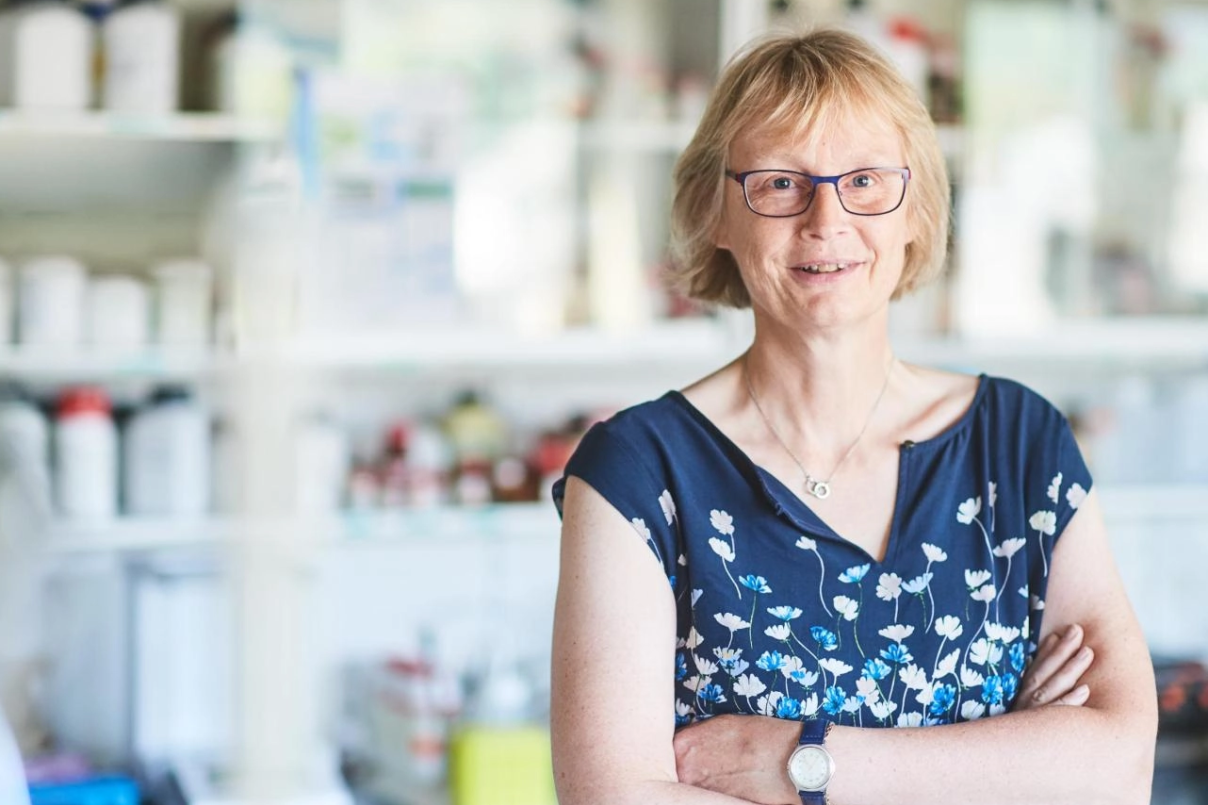
The Chair ‘Roger Van Geen’ is, on the initiative of SCK CEN, awarded every two years by the Research Foundation – Flanders (FWO) and the Fund for Scientific Research (FNRS). It rewards outstanding research in nuclear science and its societal applications. In this edition, Prof. Carine Michiels will receive the award. Her research focuses on radiotherapy, a commonly used treatment for cancer. She studies how radiation therapy destroys cancer cells and how this treatment can be further improved. Around half of all cancer patients receive this therapy. The therapy is used to treat local tumours in a targeted way, to shrink tumours before or after surgery, or to destroy any remaining malignant cells in combination with other therapies, such as chemotherapy. Radiotherapy is also used in palliative care to relieve pain and improve patients’ quality of life.
In her research, she uses in vitro and in vivo experiments to better understand the underlying biological mechanisms of radiation. How do cancer cells and their environment respond to ionising radiation? How does that response contribute to cell death and tumour control? The goal of radiation therapy is to damage the DNA of cancer cells to the point that they die, causing the tumour to shrink.
Through experimental research, she aims to uncover how factors such as radiation dose, dose distribution, and angle of incidence influence the biological response of cells and tissues. In this work, Carine Michiels compares conventional photon radiotherapy with other forms of radiation therapy, including proton therapy. The insights gained from this contribute to improved patient care. In addition, they support the further development and optimisation of innovative treatments such as radioligand therapy.
Lecture series in 2026
Unlike the traditional understanding, this chair does not involve a tenured professorship. However, the laureate receives a cash prize of €12,500 and also has a unique opportunity to share her expertise and passion for science with a wide audience. The award ceremony marks the start of an inspiring lecture series in which she presents her insights into biological processes and the latest groundbreaking developments in her field. In doing so, she not only provides an overview of the current state of scientific knowledge but also offers a glimpse into the research process that led to this knowledge. Students, SCK CEN researchers, and members of the Belgian nuclear community can attend these specialised lectures.
The programme includes the following lectures:
- 30 June 2026 (2 p.m.)
Inaugural lecture
How cell biology and radiation physics met to boost radiotherapy
Register for this session- 22 September 2026 (3.30 pm)
Lecture 2
Hypoxia induces cancer resistance to chemo- and radiotherapies
Register for this session- 6 October 2026 (3.30 pm)
Lecture 3
The use of nanoparticles as enhancers for radiotherapy: promises and limits
Register for this session- 13 October 2026 (3.30 pm)
Lecture 4
Synthetic lethality and senolytic drugs in combination with radiotherapy
Register for this session- 22 October 2026 (3.30 pm)
Lecture 5
Immunogenic cell death and radiotherapy: how to make them work together
Register for this session

Practical information
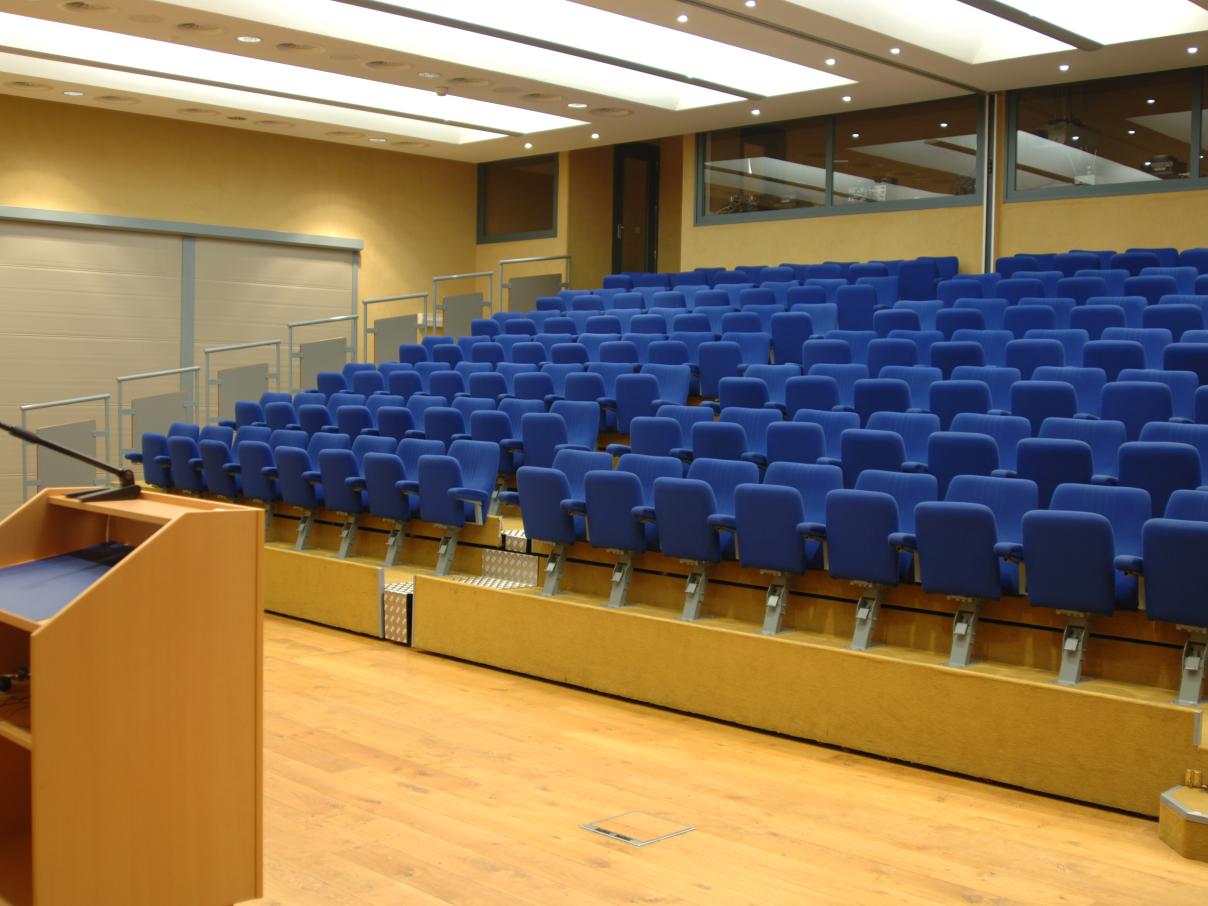
The lectures are held at the Lakehouse of the SCK CEN nuclear research centre and can also be followed on Microsoft Teams.
Address
Boeretang 201
2400 Mol (BELGIUM)
Directions
Enter the intersection of Gravenstraat and Boeretang into your GPS for a smooth route. Drive along the lake and follow the sign for 'Lakehouse.' Parking is available.
Are you interested in attending these lectures?
Participation is free.


