
PhD Defense | Francisco Javier Giménez del Rey | From primers to porewater: Unravelling methanogenesis and microbial dynamics in Boom Clay
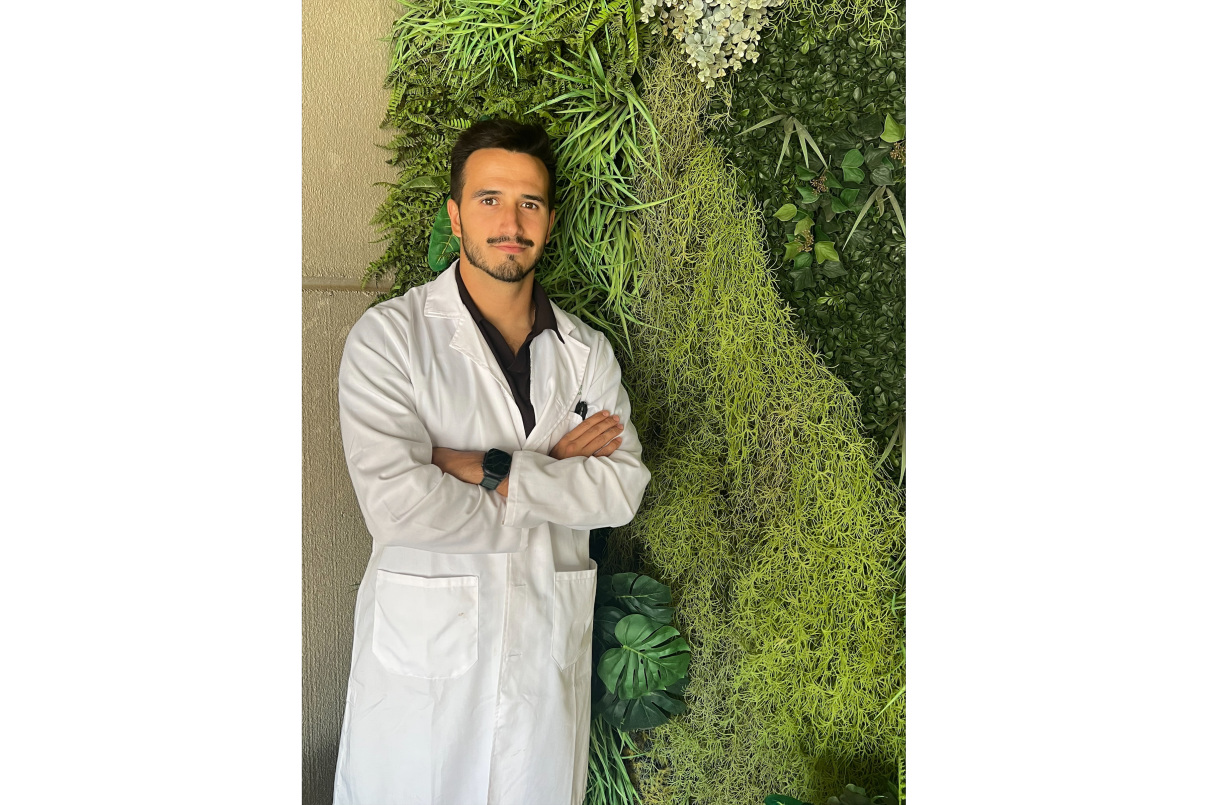
From primers to porewater: Unravelling methanogenesis and microbial dynamics in Boom Clay
The safe long-term disposal of radioactive waste in deep geological repositories (DGR) requires a comprehensive understanding of the host rock’s geochemical stability. In Belgium, Boom Clay is considered a prime candidate due to its low permeability and strong retention properties to slow down radionuclide’s migration. However, unexpected methane accumulation in its porewater challenged the existing predictive models, suggesting that microbial activity, and particularly methanogenesis, may influence porewater chemistry, a factor previously overlooked.
This PhD research explores the microbial communities inhabiting Boom Clay porewater at the HADES Underground Research Laboratory, with a special focus on methanogenic archaea. An optimized molecular approach for archaeal detection, selected and optimized as part of this work, enabled reliable community profiling and was applied to long-term microbial monitoring across four piezometers over five years.
Integration of microbial and geochemical data revealed that even low-biomass communities can thrive in and potentially affect porewater chemistry, notably through methane production. Metagenomic sequencing of a representative sample allowed to reconstruct a microbial network, suggesting syntrophic interactions between fermentative bacteria and methanogenic archaea driving organic matter degradation and methane formation under anoxic conditions. Additionally, culture-based techniques led to the isolation of a novel methanogenic archaeon, Methanosarcina hadiensis sp. nov., the first archaeal strain isolated from Boom Clay. Its physiological characterization confirmed active methane production under laboratory conditions, providing direct evidence of in situ methanogenesis.
This thesis provides new knowledge to refine the geochemical models by incorporating microbial processes and demonstrates that even sparse microbial communities can potentially influence the long-term geochemical evolution of clay formations. These findings improve predictive models for nuclear waste disposal and open new research avenues in subsurface microbiology and anaerobic ecosystems.
Promoter:
- Eveline Peeters (VUB)
SCK CEN mentors:
- Kristel Mijnendonckx
- Miroslav Honty